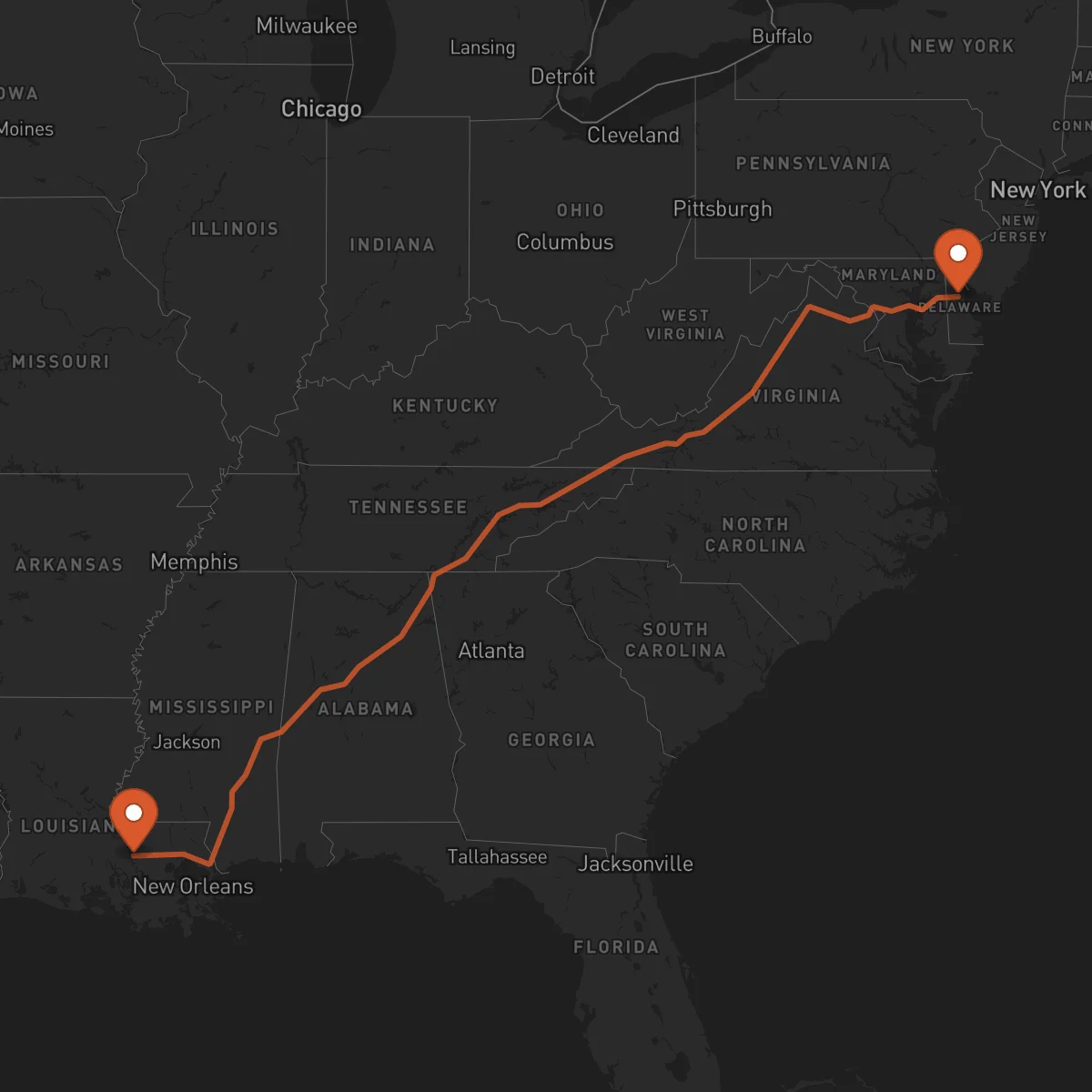
Dover to Baton Rouge
Baton Rouge → DoverFTL freight transportation service between Dover and Baton Rouge. Reliable logistics solutions for your business.
Route Description
Everything you need to know about the corridor Dover - Baton Rouge
The Dover to Baton Rouge corridor represents a vital freight transportation link connecting the Mid-Atlantic region with the Gulf Coast. This 1,723-kilometer route traverses diverse terrain and connects major industrial centers across the eastern United States. The corridor serves as a critical supply chain artery for numerous industries requiring reliable full truckload (FTL) transportation services.
The economic significance of this route cannot be overstated. It connects Delaware's manufacturing and agricultural sectors with Louisiana's petrochemical, energy, and industrial manufacturing hubs. This transportation link facilitates the movement of raw materials, finished goods, and specialized equipment between these economically diverse regions. The corridor particularly benefits from the strong manufacturing presence in both states and the energy sector's demand for reliable logistics solutions.
Key industries utilizing this corridor include chemical manufacturing, petroleum products, agricultural commodities, automotive parts, and industrial equipment. The route also supports the pharmaceutical and medical device sectors, given Delaware's significant presence in these industries. Transportation infrastructure along this corridor includes major interstate highways such as I-95, I-81, I-40, and I-10, providing multiple routing options for efficient freight movement.
Control Terrestre specializes in optimizing freight operations along this corridor through our extensive network of certified carriers and strategic partnerships. Our expertise in full truckload transportation ensures that shipments move efficiently and reliably between Dover and Baton Rouge, supporting our clients' supply chain needs with professional, dedicated service.
Services for this Route
Available services for the corridor Dover - Baton Rouge
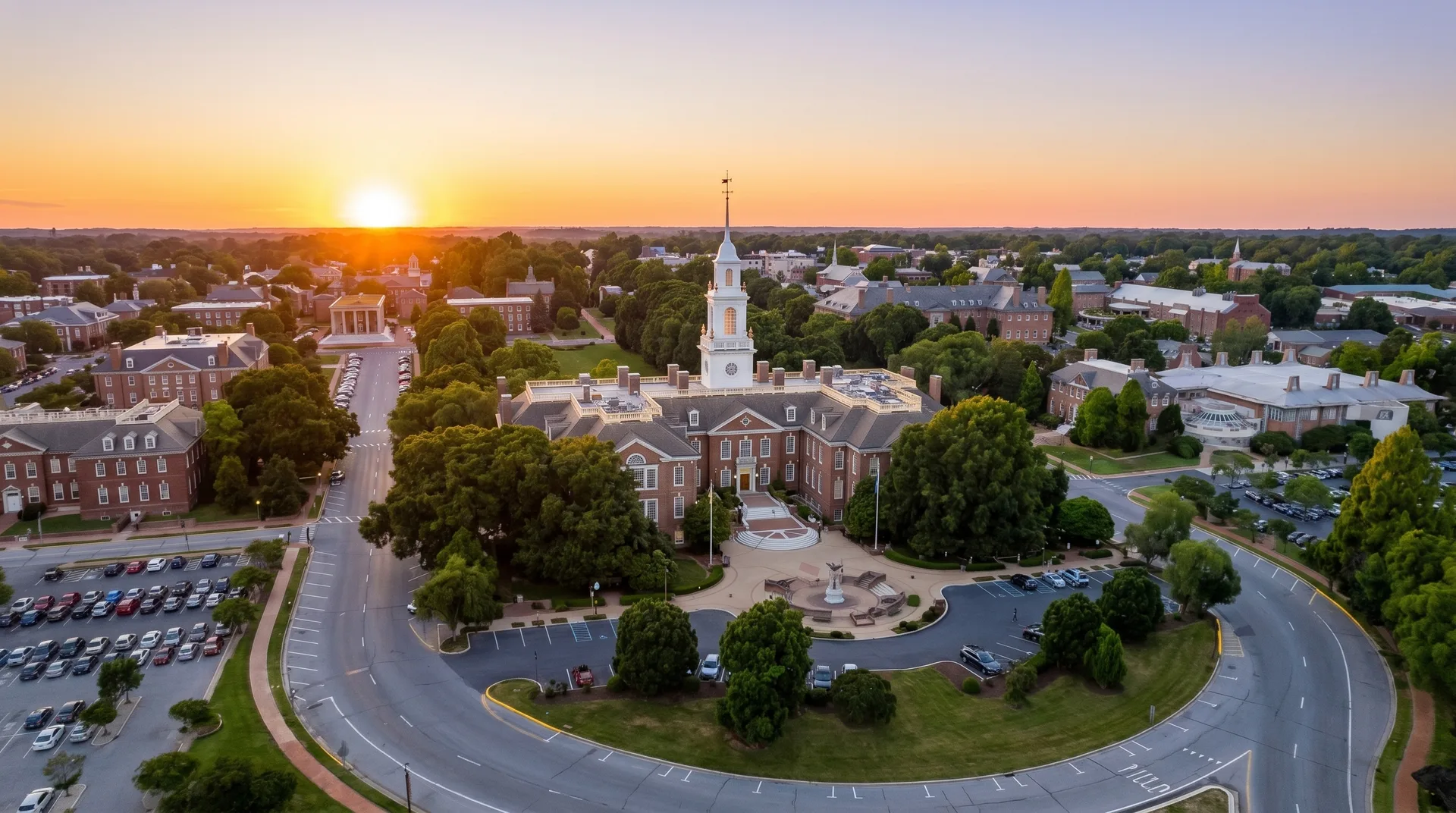 Origin
Dover
Dover, Delaware serves as a strategic logistics hub in the Mid-Atlantic region. Located in the northeastern United States, Dover benefits from proximity to major East Coast markets and excellent transportation infrastructure. The city's location provides access to major highways including U.S. Route 13 and Delaware Route 1, facilitating efficient connections to regional and national freight networks. Dover's transportation infrastructure includes the nearby Delaware Coastal Airport and access to major ports in nearby Philadelphia and Baltimore.
The region's economy is diverse, with strong presence in government services, healthcare, education, and manufacturing. Dover is home to several industrial parks and distribution centers that support regional logistics operations. The area's agricultural sector, including poultry and grain production, also contributes to freight movement needs. Additionally, Dover's proximity to the Mid-Atlantic's major consumer markets makes it an ideal origin point for freight distribution across the eastern United States.
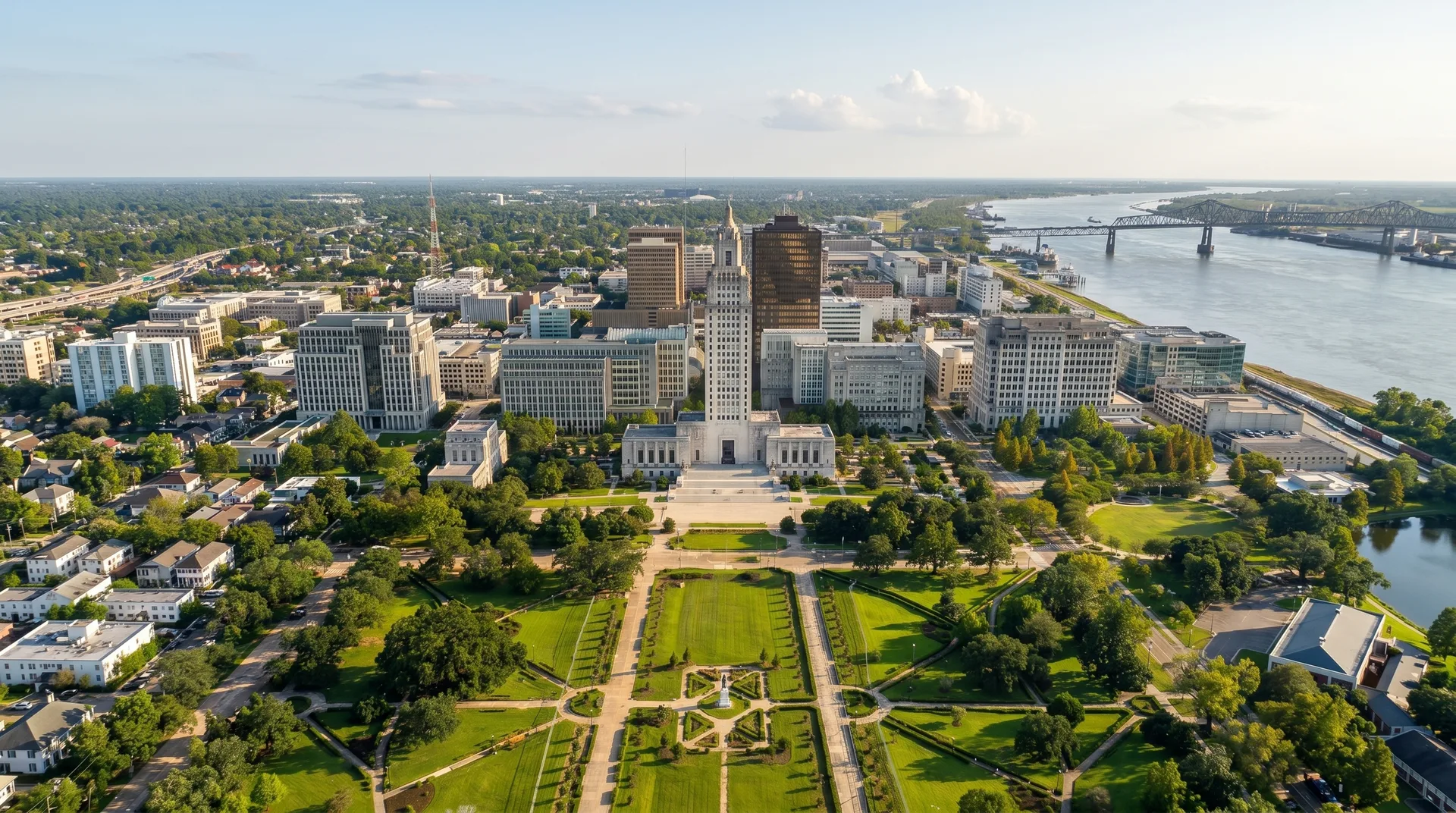 Destination
Baton Rouge
Baton Rouge, Louisiana stands as a major logistics and industrial center in the Gulf Coast region. Strategically located along the Mississippi River, Baton Rouge serves as a critical gateway for freight movement between inland regions and international markets via the Gulf of Mexico. The city's transportation infrastructure includes major highways such as I-10 and I-12, providing excellent connectivity to regional and national freight networks. The Port of Greater Baton Rouge offers additional multimodal transportation options for cargo movement.
The Baton Rouge area is characterized by a strong industrial base, particularly in petrochemical manufacturing, energy production, and industrial services. The region hosts numerous refineries, chemical plants, and industrial facilities that require consistent freight transportation services. Additionally, Baton Rouge's growing technology sector, healthcare industry, and educational institutions contribute to diverse freight movement needs. The city's strategic location makes it an ideal destination for freight originating from across the eastern United States, supporting both regional distribution and international trade.










