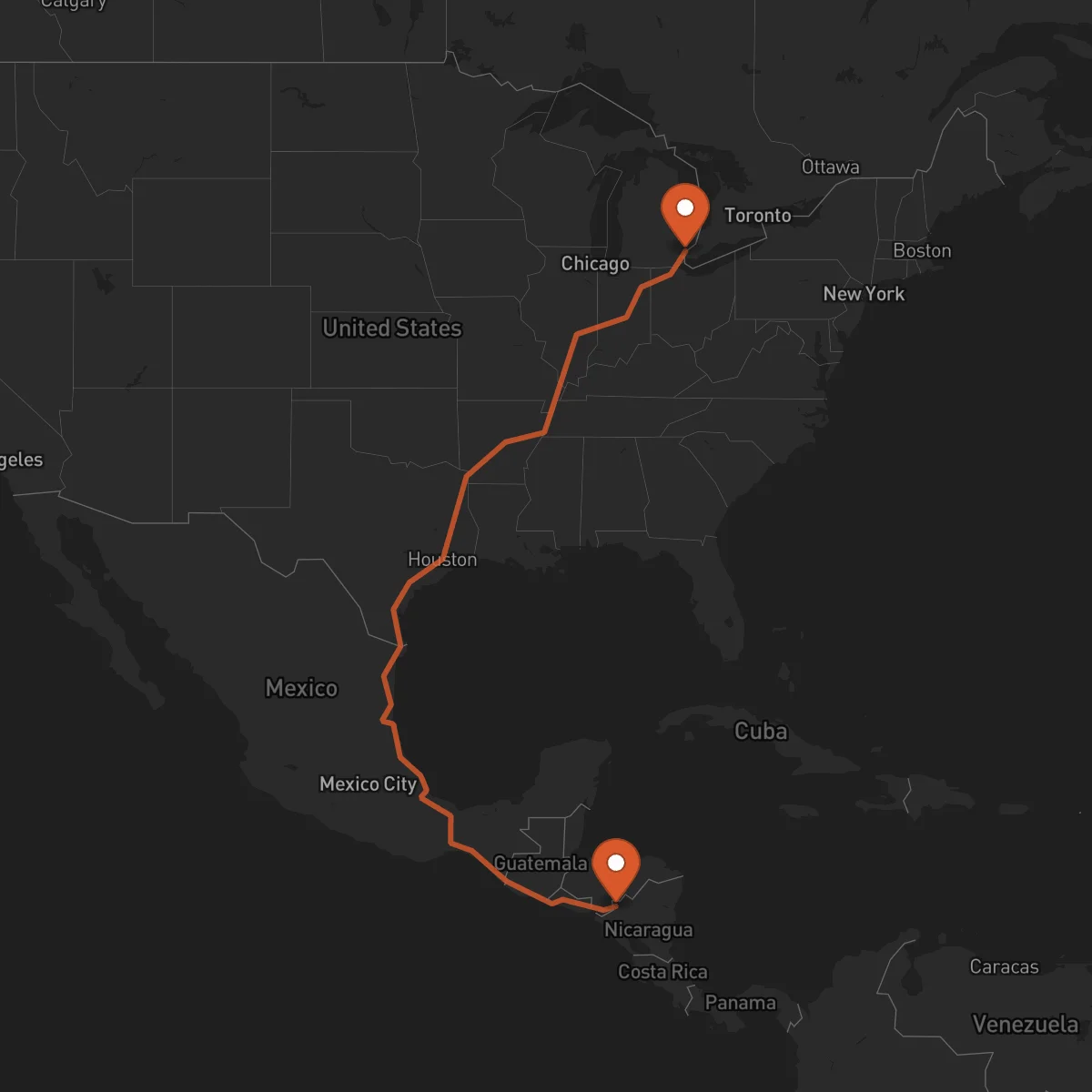
Detroit to Somoto
Somoto → DetroitFTL freight transportation service between Detroit and Somoto. Reliable logistics solutions for your business.
Route Description
Everything you need to know about the corridor Detroit - Somoto
The Detroit to Somoto corridor represents a vital cross-border logistics connection between the United States and Nicaragua, spanning approximately 3,226 kilometers. This route serves as a critical link for companies seeking to transport goods between North America's industrial heartland and Central America's growing markets. The corridor traverses diverse landscapes and crosses multiple international borders, requiring specialized expertise in customs procedures and regulatory compliance. Control Terrestre's extensive network of certified carriers ensures seamless transportation across this complex route, providing full truckload (FTL) services that maintain cargo integrity throughout the journey. Our strategic partnerships with transportation providers along this corridor enable us to offer reliable, efficient freight solutions that meet the demanding requirements of cross-border commerce.
Services for this Route
Available services for the corridor Detroit - Somoto
 Origin
Detroit
Detroit, Michigan stands as a cornerstone of North American manufacturing and logistics, strategically positioned in the Great Lakes region. The city's proximity to major highways, rail networks, and the Ambassador Bridge to Canada makes it an ideal origin point for cross-border freight operations. Detroit's economy is anchored by automotive manufacturing, aerospace, and advanced technology sectors, creating substantial demand for reliable freight transportation services. The region's robust infrastructure includes the Port of Detroit, extensive interstate highway systems, and proximity to major distribution centers, enabling efficient movement of goods to international destinations.
 Destination
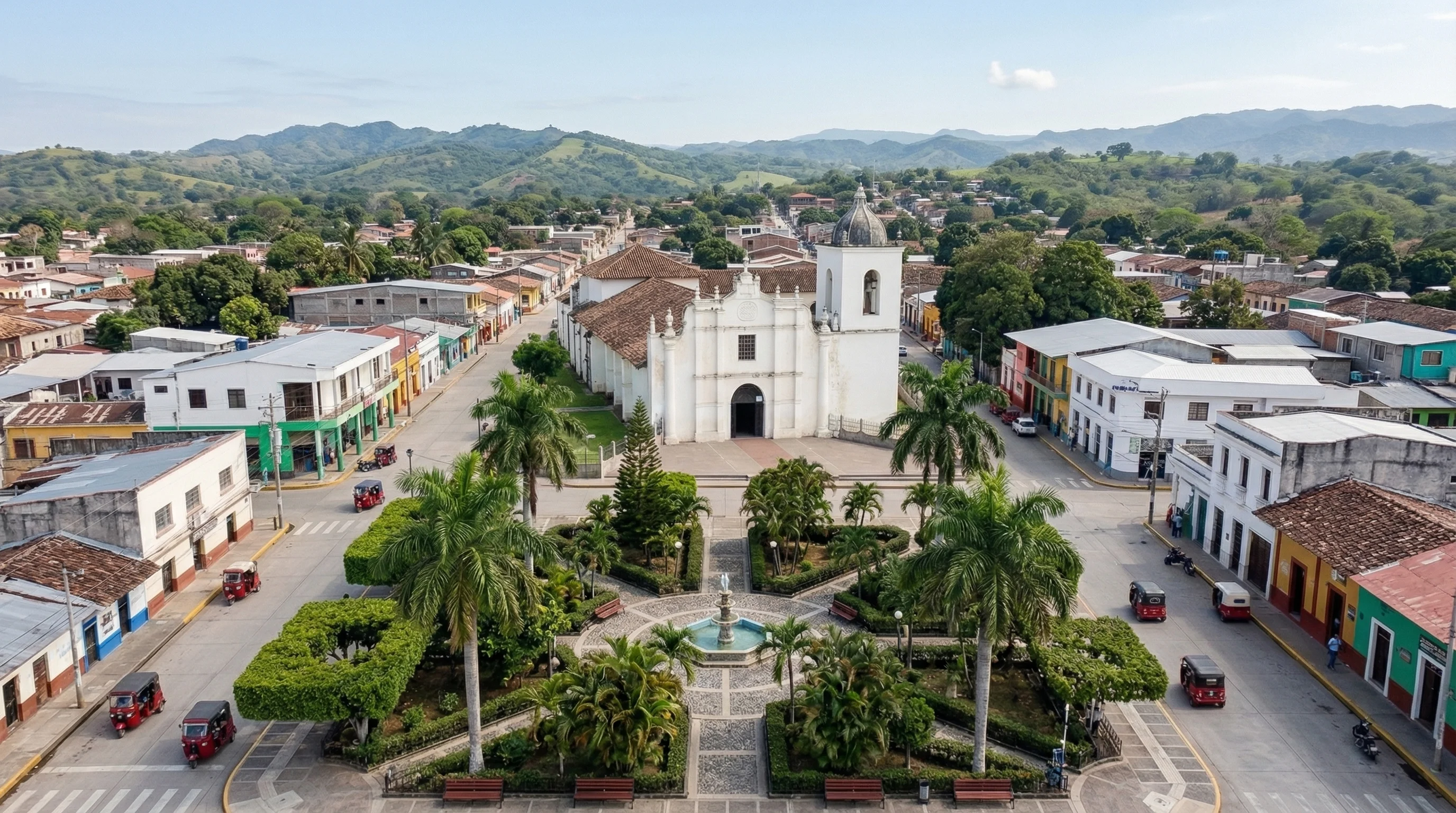
Somoto, located in Nicaragua's Madriz department, serves as an important commercial hub in Central America's northern region. The city's strategic position near the Honduran border facilitates trade connections throughout Central America. Somoto's economy is characterized by agricultural production, light manufacturing, and growing commercial activities that benefit from reliable international freight connections. The region's developing infrastructure includes access to major highways connecting to Managua and other Central American capitals, supporting the efficient distribution of imported goods from North American markets.










