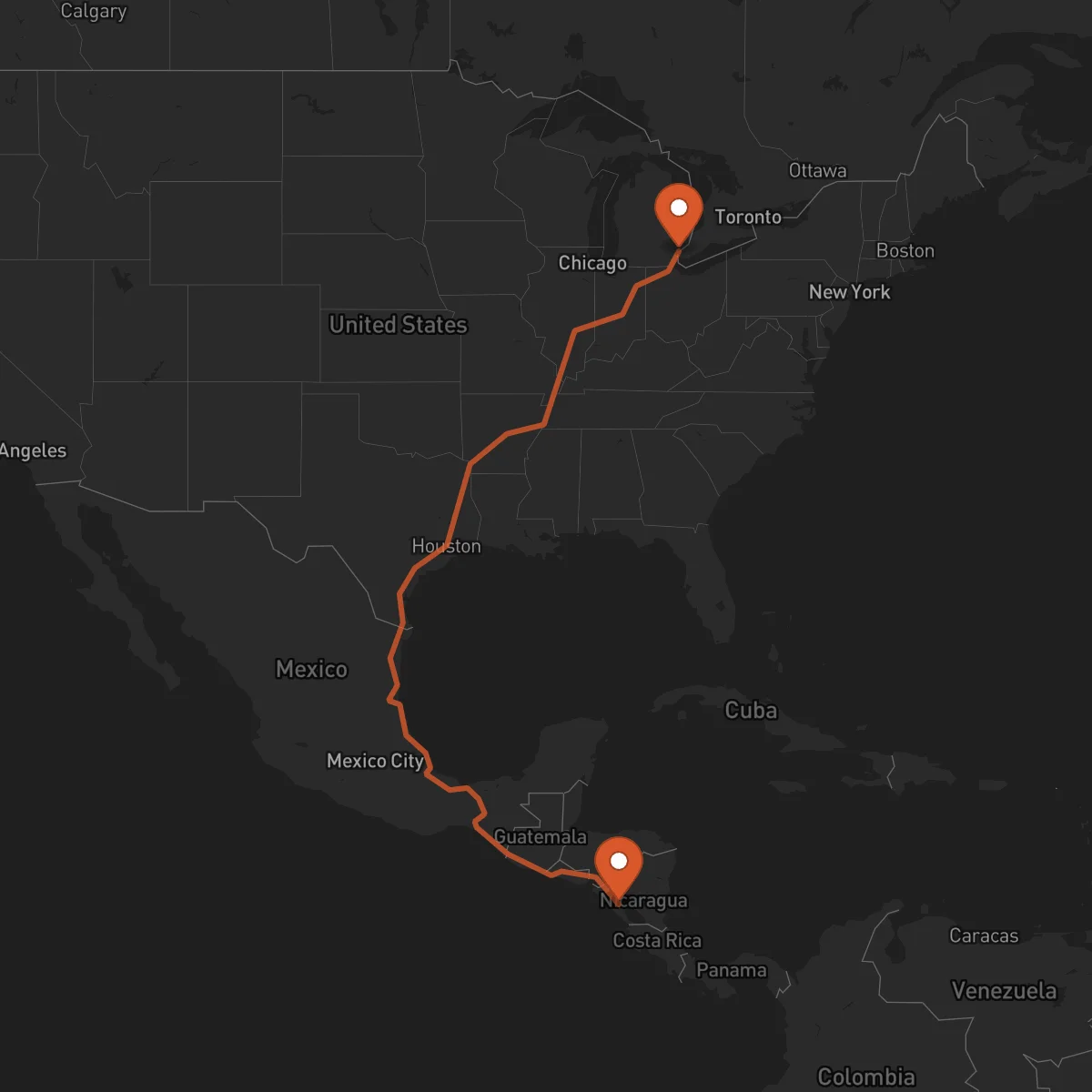
Detroit to Managua
Managua → DetroitFTL freight transportation service between Detroit and Managua. Reliable logistics solutions for your business.
Route Description
Everything you need to know about the corridor Detroit - Managua
The logistics corridor connecting Detroit, Michigan to Managua, Nicaragua represents a vital trade link between the industrial heartland of the United States and the commercial center of Central America. This cross-border route spans approximately 3,374 kilometers, traversing diverse terrain and crossing multiple international boundaries. The corridor serves as a critical artery for North American supply chains, facilitating the movement of goods between manufacturing powerhouses and emerging markets.
Detroit, known as the automotive capital of the world, anchors the northern end of this corridor with its robust manufacturing sector and strategic location near major Great Lakes ports and international borders. The route passes through key industrial and agricultural regions of the United States and Mexico before entering Central America through established trade corridors. Along the way, it connects with major transportation hubs and distribution centers that support just-in-time manufacturing and retail supply chains.
The primary transportation infrastructure includes major interstate highways such as I-75, I-69, and connecting routes through Mexico's Federal Highways. The corridor utilizes established border crossings at Laredo/Nuevo Laredo and other strategic points, benefiting from programs like FAST and C-TPAT that expedite cross-border movements. Control Terrestre leverages our extensive network of certified carriers and strategic partnerships to ensure seamless operations across this complex international route, providing dedicated full truckload services with real-time tracking and compliance with all customs requirements.
Services for this Route
Available services for the corridor Detroit - Managua
 Origin
Detroit
Detroit, Michigan stands as a strategic logistics hub in the Great Lakes region, offering unparalleled connectivity for freight transportation. As a major industrial center with deep-water port access on the Detroit River, the city provides multimodal transportation options including rail, air, and highway networks. Detroit's proximity to the Canadian border and its location at the intersection of major interstate highways (I-75, I-94, I-96) make it an ideal origin point for cross-border freight movements. The region's manufacturing heritage, particularly in automotive and aerospace industries, creates consistent demand for reliable full truckload transportation services to international destinations.
 Destination
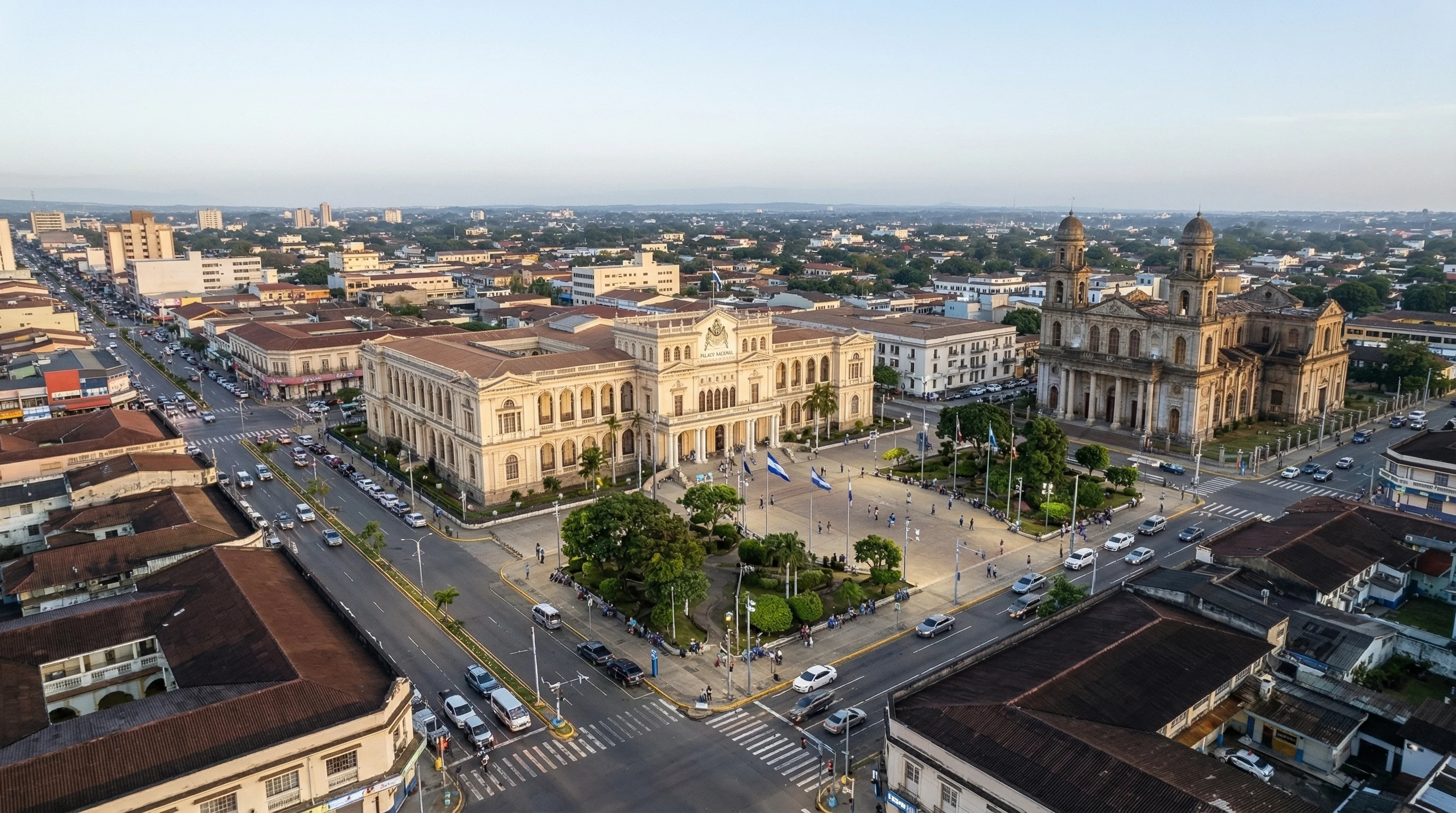
Managua, the capital and largest city of Nicaragua, serves as the commercial and industrial heart of Central America's emerging markets. Located in the Pacific lowlands of Nicaragua, Managua offers strategic access to both Atlantic and Pacific trade routes through nearby ports and transportation corridors. The city's growing manufacturing sector, including textiles, food processing, and assembly operations, creates substantial demand for inbound freight from North American suppliers. Managua's developing logistics infrastructure, including the Augusto C. Sandino International Airport and connections to regional highway networks, positions it as a key distribution center for Central American markets.










