David to Olympia
Olympia → DavidFTL freight transportation service between David and Olympia. Reliable logistics solutions for your business.
Route Description
Everything you need to know about the corridor David - Olympia
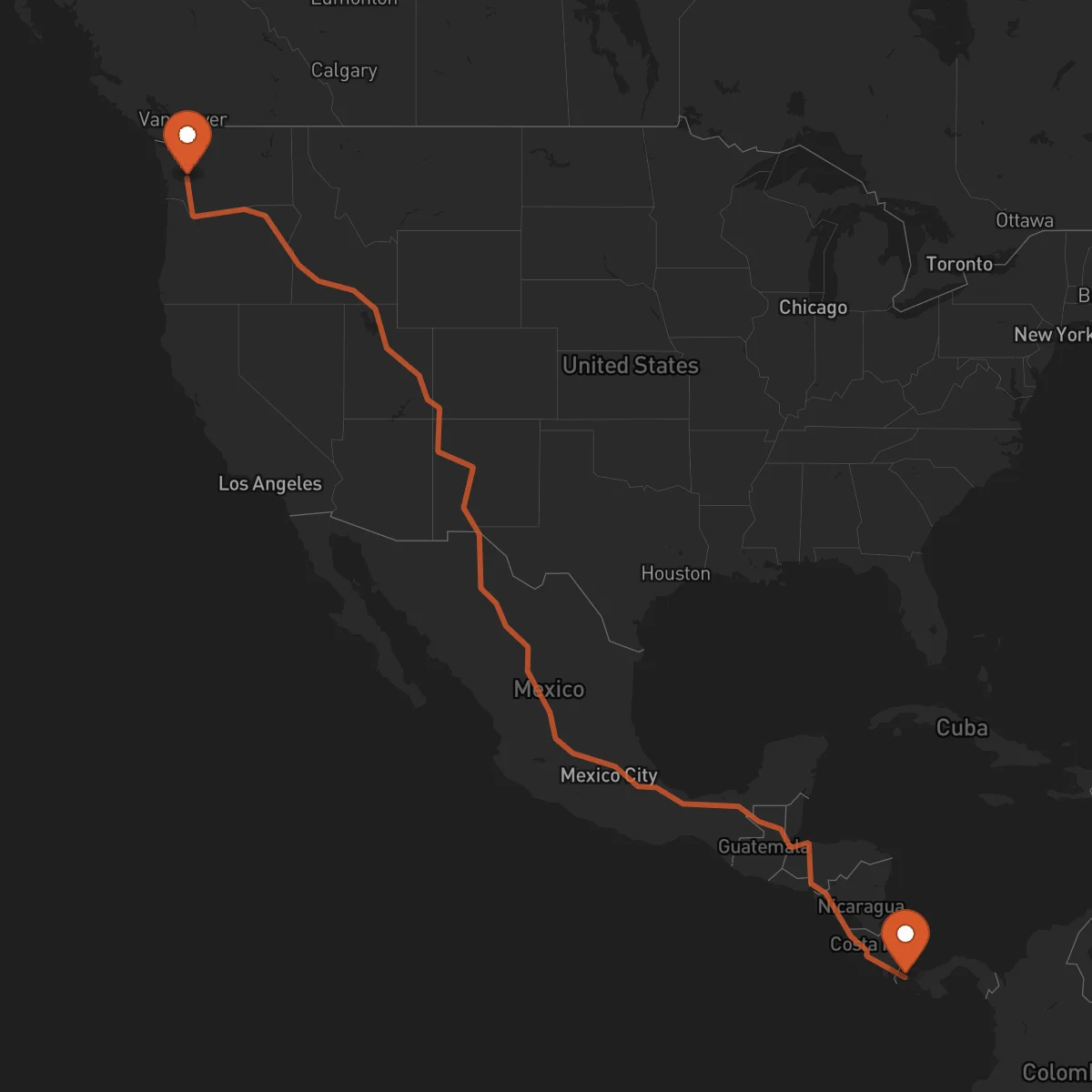
The logistics corridor between David, Chiriquí, Panamá and Olympia, Washington, United States spans approximately 5,748 kilometers, connecting Central America's Pacific coast with the Pacific Northwest of the United States. This cross-border route serves as a vital commercial link for companies seeking to move full truckload freight across international boundaries, leveraging the economic synergy between Panama's agricultural and industrial output and the robust import infrastructure of Washington State.
David, as the capital of Chiriquí Province, is one of Panama's most dynamic economic hubs, driven by agriculture, manufacturing, and an expanding logistics sector. The region produces significant volumes of coffee, bananas, vegetables, and manufactured goods destined for North American markets. On the U.S. side, Olympia benefits from its proximity to the Port of Olympia and its connection to the broader Puget Sound logistics network, which channels goods throughout the Pacific Northwest and beyond. Industries along this corridor include agriculture, food processing, construction materials, and consumer goods distribution.
Transportation infrastructure along this corridor relies on a combination of Pan-American Highway segments through Central America, connecting through key border crossings at Paso Canoa and onward through Costa Rica, Nicaragua, Honduras, Guatemala, and Mexico before entering the United States. Major U.S. highways including Interstate 5 serve as the primary artery into the Pacific Northwest. Critical border crossings such as those at Nogales, Laredo, and Otay Mesa require careful customs coordination, and Control Terrestre's providers hold C-TPAT, FAST, and BASC certifications to facilitate efficient clearance processes at each point.
Control Terrestre facilitates operations on this corridor through its alliance of experienced and strategic transportation providers, offering dedicated FTL services including dry van, refrigerated, tanker, flatbed, and specialized cargo options. Our team manages the complexities of cross-border documentation, customs compliance, and multi-country transit so that your freight moves seamlessly from origin to destination. Whether you require expedited service or standard full truckload transport, we provide the expertise and carrier network to keep your supply chain moving efficiently across this demanding international corridor.
Services for this Route
Available services for the corridor David - Olympia
 Origin
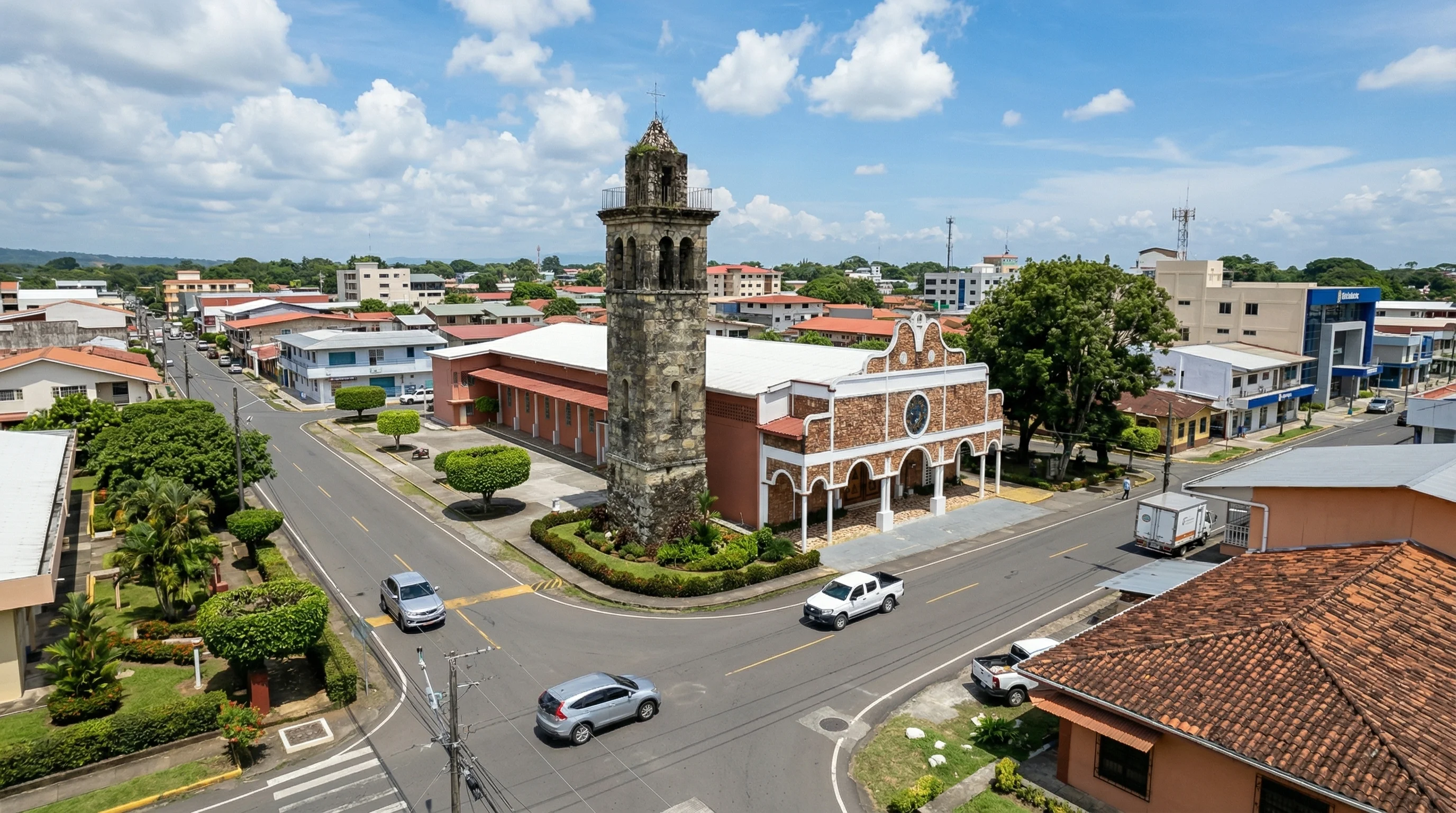
David, the capital of Chiriquí Province in western Panama, is a strategic logistics hub positioned along the Pan-American Highway with direct access to the Pacific coast. The city serves as the commercial and transportation center of one of Panama's most productive agricultural regions, known for its coffee, banana, and vegetable exports. David's growing industrial sector includes food processing, construction materials, and light manufacturing. The city is served by Enrique Malek International Airport and connects to the Pan-American Highway, providing efficient overland access northward through Central America. Its proximity to the Costa Rican border at Paso Canoa makes it an ideal origin point for cross-border freight heading to North American markets.
 Destination
Olympia
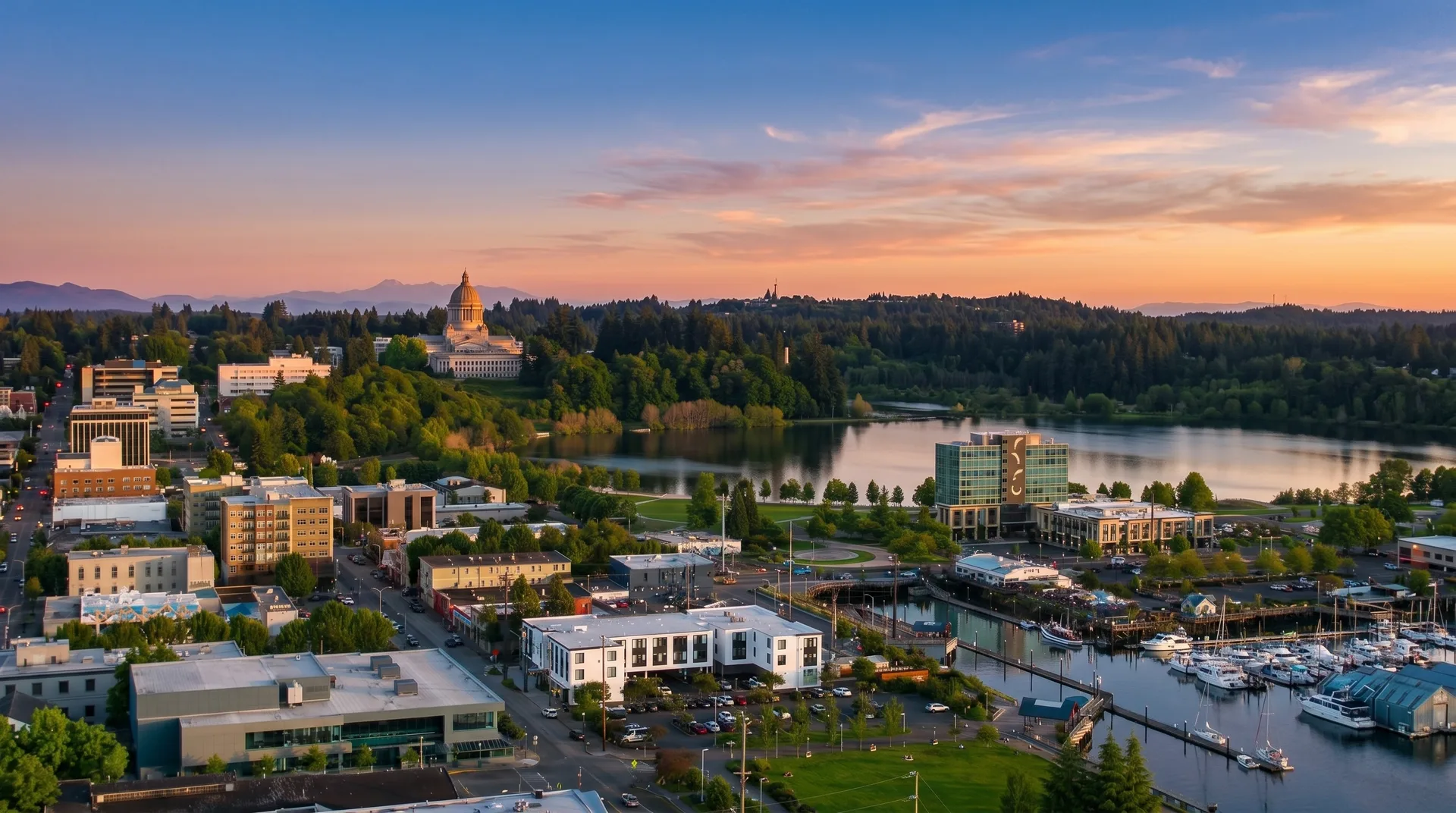
Olympia, the capital of Washington State, is strategically located at the southern end of Puget Sound along Interstate 5, one of the most important freight corridors on the U.S. West Coast. The city benefits from access to the Port of Olympia and proximity to the larger ports of Tacoma and Seattle, making it a key distribution point for goods entering the Pacific Northwest. Major industries in the region include government and public administration, healthcare, education, construction, and retail distribution. Olympia's position along I-5 provides direct connectivity to major markets in Portland, Seattle, and Vancouver, BC, while rail and intermodal facilities support efficient inland distribution throughout the region.










