
David to Bismarck
Bismarck → DavidFTL freight transportation service between David and Bismarck. Reliable logistics solutions for your business.
Route Description
Everything you need to know about the corridor David - Bismarck
The logistics corridor connecting David, Chiriquí, Panamá to Bismarck, North Dakota, Estados Unidos represents a vital cross-border transportation route spanning approximately 4,612 kilometers. This corridor serves as a crucial link between Central America's Pacific coast and the American Midwest, facilitating the movement of diverse cargo types through multiple transportation modes and border crossings.
The route traverses a complex network of highways, beginning with Panama's well-maintained road system through Chiriquí province, continuing through Central America's north-south corridors, and entering Mexico via the southern border. From there, it progresses through Mexico's extensive highway network, crosses into the United States at various points depending on the specific route chosen, and continues north through the central United States before reaching North Dakota.
This corridor is particularly significant for industries requiring specialized transportation services, including agricultural products, manufacturing components, and industrial equipment. The route accommodates both full truckload (FTL) and specialized freight movements, with particular attention to cross-border compliance requirements and customs documentation. Control Terrestre's expertise in managing these complex logistics operations ensures seamless transportation across multiple jurisdictions, with our certified providers handling all necessary customs procedures and regulatory compliance.
Key transportation infrastructure along this corridor includes major highways such as the Pan-American Highway, Mexico's Federal Highways, and the United States' interstate system. The route's strategic importance is enhanced by Control Terrestre's network of certified transportation partners, all holding essential certifications including C-TPAT, FAST, and BASC, ensuring secure and efficient cross-border operations throughout the journey.
Services for this Route
Available services for the corridor David - Bismarck
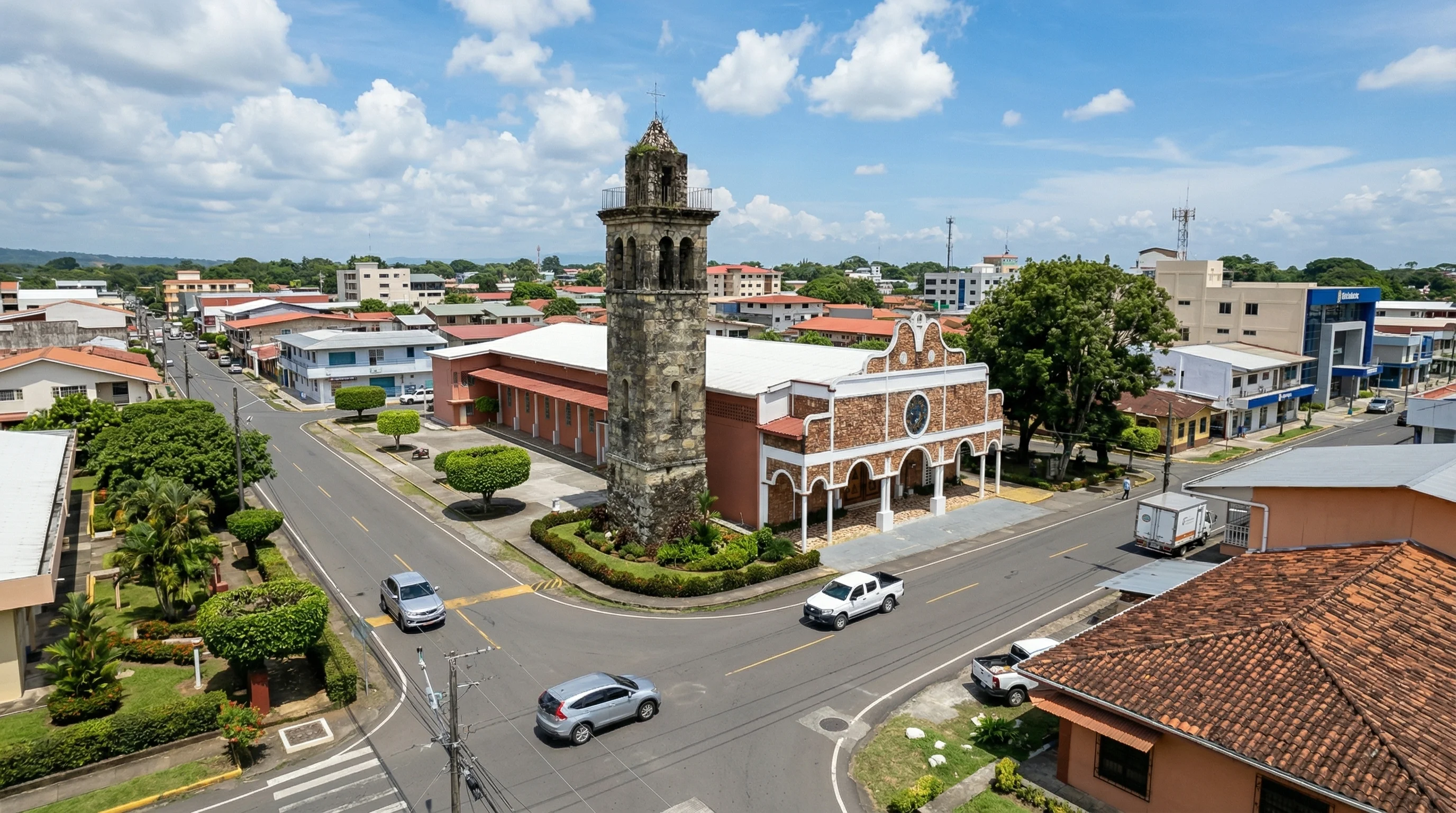 Origin
David, located in the Chiriquí province of Panamá, serves as a strategic logistics hub for western Panamá and neighboring regions of Costa Rica. The city's proximity to the Pacific coast and its position as a gateway to Central America's interior make it an ideal origin point for cross-border freight operations. David's growing industrial sector includes food processing, agricultural exports, and light manufacturing, creating consistent demand for reliable transportation services to North American markets.
The city benefits from Panamá's modern transportation infrastructure, including the Pan-American Highway that provides direct access to Panama City and Costa Rica. David's location near the Costa Rican border facilitates efficient cross-border operations, while the nearby port of Pedregal offers maritime shipping capabilities for multimodal transportation solutions. The region's agricultural production, particularly in bananas, pineapples, and other tropical products, generates substantial freight volumes requiring specialized handling and temperature-controlled transportation options.
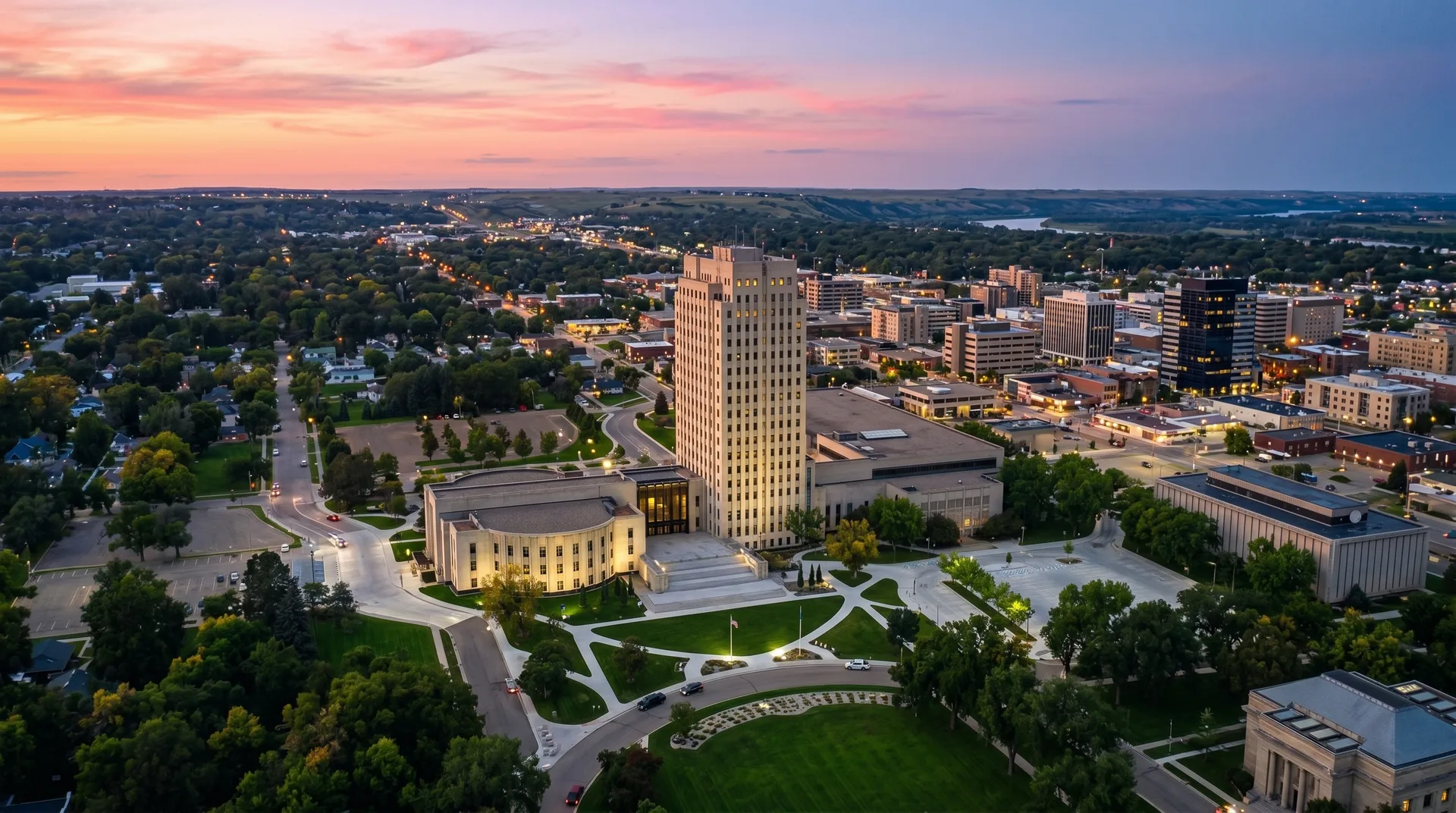 Destination
Bismarck
Bismarck, the capital city of North Dakota, represents a strategic logistics destination in the American Midwest. Located along the Missouri River, Bismarck serves as a central hub for freight distribution throughout the northern plains region. The city's economy is anchored by government services, healthcare, retail, and energy sectors, with growing manufacturing and agricultural processing industries creating consistent demand for inbound freight transportation.
The city's transportation infrastructure includes major highways such as I-94, which provides direct east-west connectivity across the northern United States. Bismarck's location in the geographic center of North America makes it an ideal distribution point for regional freight operations. The city's industrial parks and commercial zones are well-equipped to handle various cargo types, from standard palletized freight to specialized equipment and oversized shipments. The region's agricultural economy, including grain production and food processing, generates substantial freight volumes requiring reliable transportation connections to international markets.










