
Cuilapa to Tulsa
Tulsa → CuilapaFTL freight transportation service between Cuilapa and Tulsa. Reliable logistics solutions for your business.
Route Description
Everything you need to know about the corridor Cuilapa - Tulsa
The logistics corridor connecting Cuilapa, Guatemala to Tulsa, Oklahoma represents a vital cross-border transportation route spanning approximately 2,498 kilometers. This corridor serves as a crucial link between Central American manufacturing and agricultural sectors with the industrial heartland of the United States. The route traverses diverse terrain and crosses multiple international borders, requiring specialized expertise in cross-border logistics and customs compliance. Control Terrestre's strategic alliance network ensures seamless freight movement through this complex corridor, handling all necessary documentation, customs procedures, and regulatory requirements. The corridor's significance continues to grow as trade between Guatemala and the United States expands, particularly in sectors such as automotive parts, electronics, textiles, and agricultural products.
Services for this Route
Available services for the corridor Cuilapa - Tulsa
 Origin
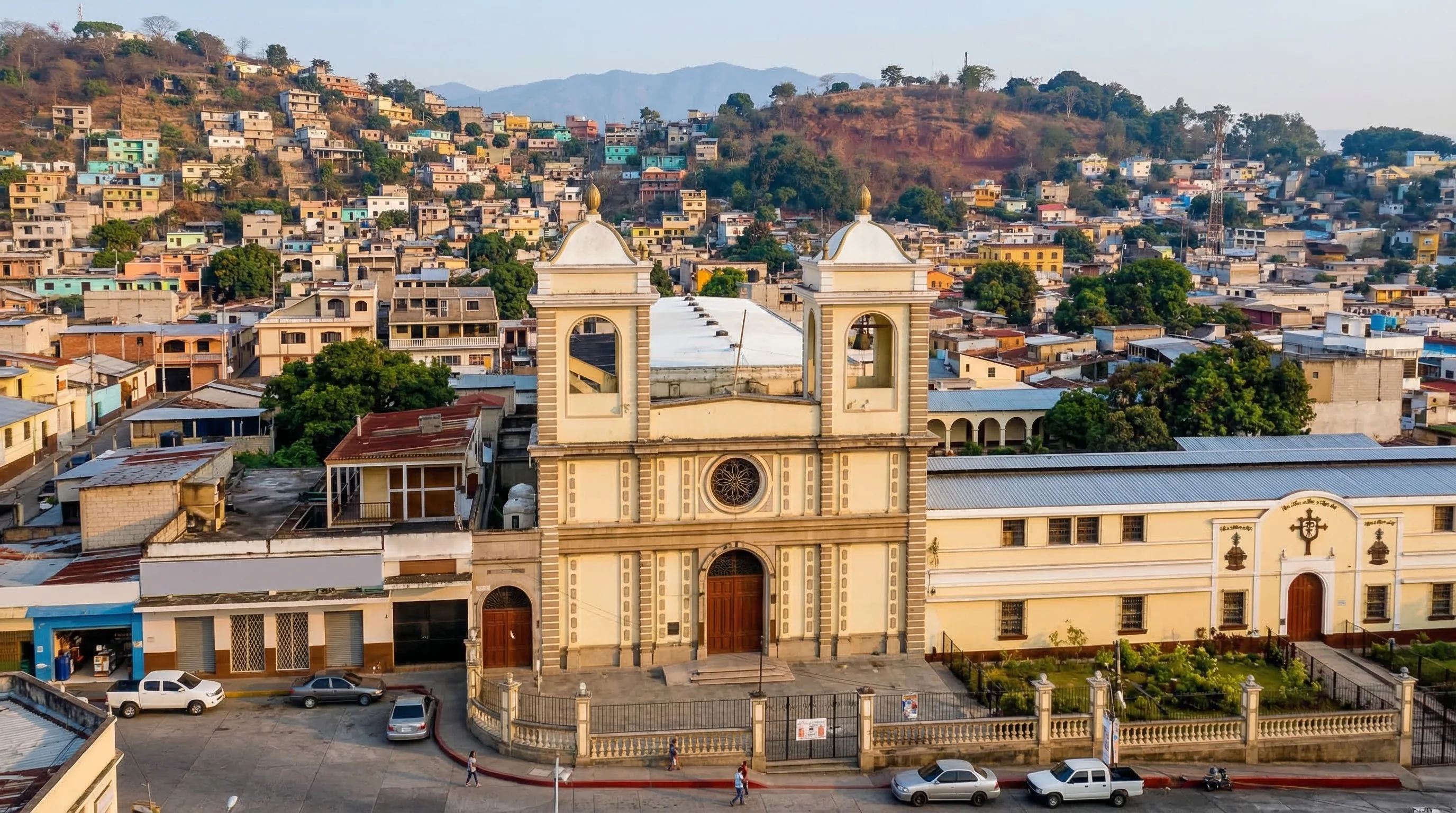
Cuilapa
Cuilapa, located in the Santa Rosa department of Guatemala, serves as a strategic logistics hub in southern Guatemala. The city's proximity to major highways and its position relative to Guatemala City make it an important distribution point for both domestic and international freight. Cuilapa's economy is characterized by agricultural production, light manufacturing, and growing industrial activities. The region's transportation infrastructure includes access to the CA-9 highway, which connects to Guatemala's primary north-south corridor, and secondary routes that facilitate regional distribution. Local facilities and warehouses support the consolidation of freight destined for international markets, particularly the United States.
 Destination
Tulsa
Tulsa, Oklahoma stands as a major logistics and industrial center in the southern United States, strategically positioned along the Interstate 44 corridor. The city's location provides excellent access to major markets across the Midwest and southern regions. Tulsa's diverse economy encompasses aerospace manufacturing, energy sector services, transportation equipment, and food processing industries. The metropolitan area benefits from extensive transportation infrastructure including multiple interstate highways, rail connections, and proximity to major air cargo facilities. Tulsa's logistics ecosystem includes numerous warehousing and distribution centers, making it an ideal destination for cross-border freight from Central America.










