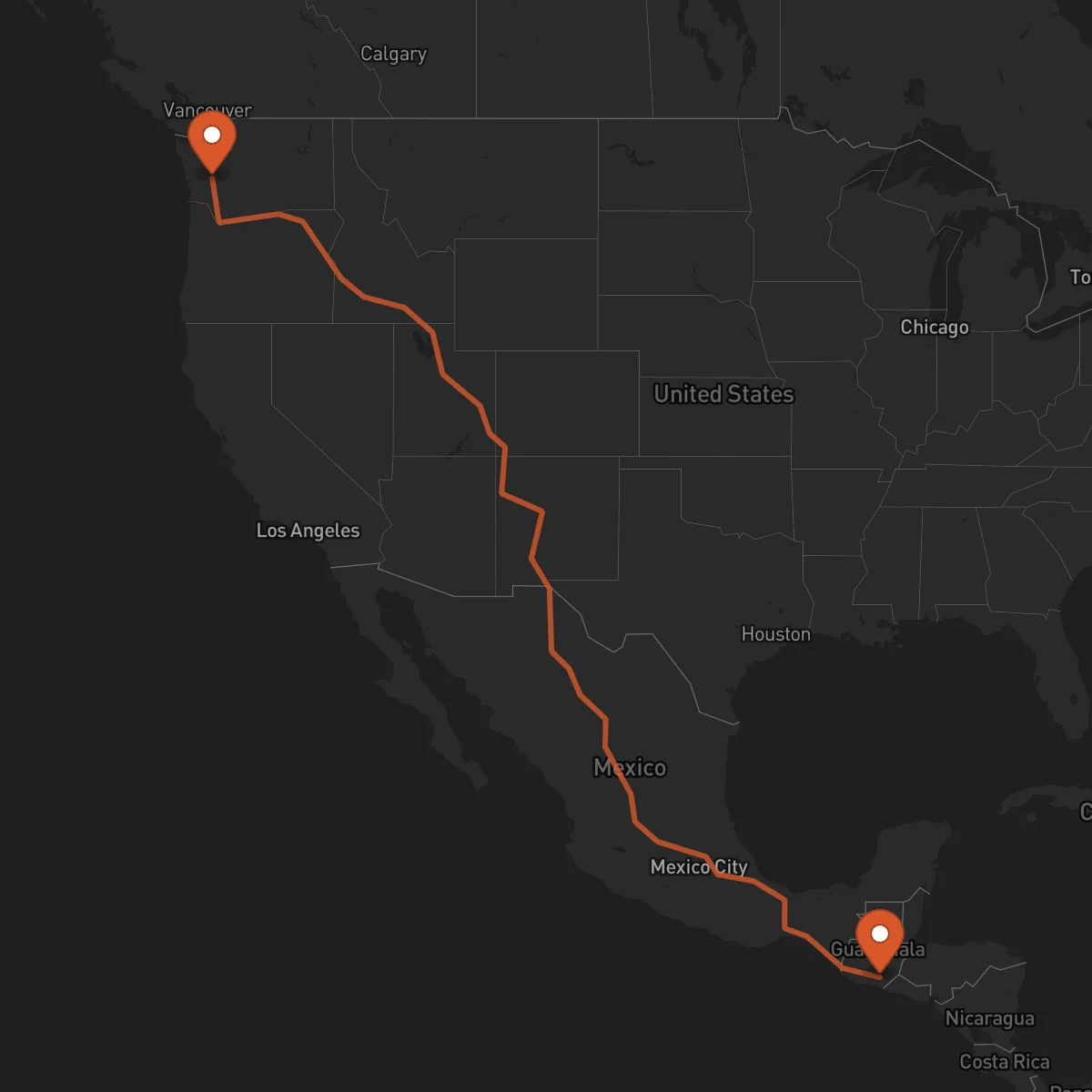
Cuilapa to Olympia
Olympia → CuilapaFTL freight transportation service between Cuilapa and Olympia. Reliable logistics solutions for your business.
Route Description
Everything you need to know about the corridor Cuilapa - Olympia
The Cuilapa, Guatemala to Olympia, Washington corridor represents a critical North American trade link, bridging Central America's productive heartland with the Pacific Northwest. This approximately 4,730 km route is strategically vital for moving full truckload (FTL) cargo across three nations, facilitating essential commerce between Guatemala's export-oriented industries and the major consumption and manufacturing markets of the United States. The economic context is defined by robust trade in agricultural commodities, manufactured goods, and raw materials, leveraging Guatemala's position as a key producer and the U.S. Pacific Northwest's role as a major import gateway and industrial hub.
Primary industries utilizing this corridor include Guatemala's coffee, sugar, banana, and textile exporters, as well as U.S. Pacific Northwest sectors such as timber, agriculture (apples, hops), advanced manufacturing, and technology. The transportation infrastructure relies on a sequential network of major highways: Guatemala's CA-1 to the Mexican border, Mexico's federal highways (such as the Arco Norte and routes through Mexico City to the northern border), and the U.S. Interstate system, predominantly I-5 for the final leg into Washington state. Key border crossings involve the Guatemala-Mexico frontier (e.g., Tecún Umán / Ciudad Hidalgo) and multiple U.S.-Mexico crossings (like those in Texas or Arizona), each with its own customs protocols.
Control Terrestre facilitates seamless operations on this complex corridor by acting as a single point of contact through our strategic alliance of certified providers. Our network's certifications—including C-TPAT, FAST, and BASC—are instrumental in expediting customs clearance and ensuring security compliance across all borders. We exclusively manage FTL movements, coordinating dedicated, expedited, or specialized equipment as required, from dry vans to flatbeds. Our expertise in cross-border documentation, customs brokerage coordination, and carrier vetting mitigates the inherent complexities of a tri-national transit, providing our clients with a streamlined, reliable, and human-centric logistics solution for their supply chain needs.
Services for this Route
Available services for the corridor Cuilapa - Olympia
 Origin
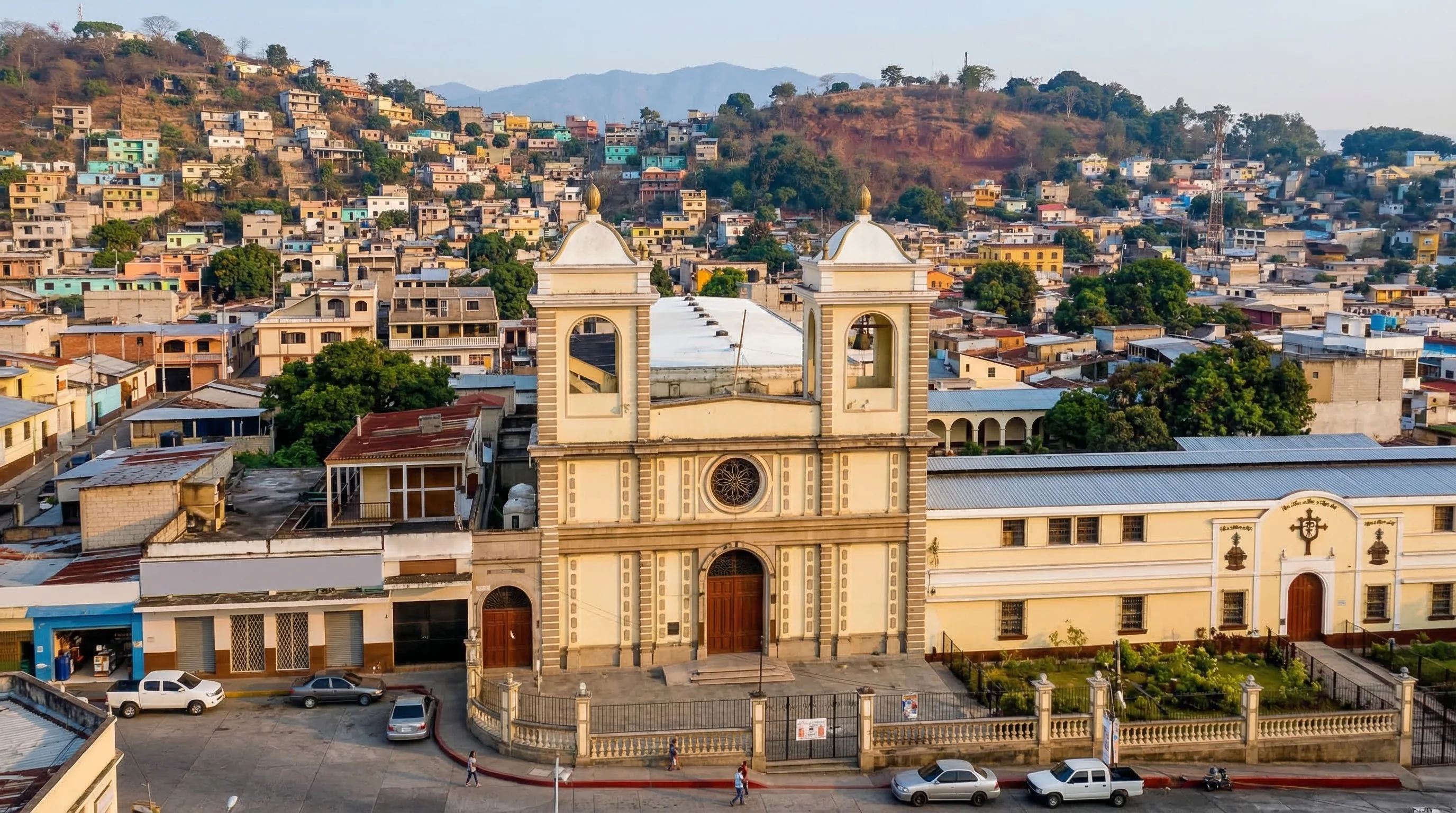
Cuilapa
Cuilapa, the capital of Guatemala's Santa Rosa department, is a strategically located logistics origin point in the country's southern region. Its position near the CA-1 highway provides direct access to the Pacific coast ports (like Puerto Quetzal) and the primary overland route north into Mexico. This makes it an ideal hub for consolidating goods from Guatemala's fertile south and central valleys. The local and regional economy is dominated by agriculture—including sugar cane, coffee, and bananas—alongside growing light manufacturing and textile sectors. These industries generate significant outbound freight requiring efficient northbound connectivity. The available transportation infrastructure is centered on the CA-1 highway corridor, supported by a network of regional roads that feed into it, enabling the collection of FTL shipments from production zones to the main north-south artery.
 Destination
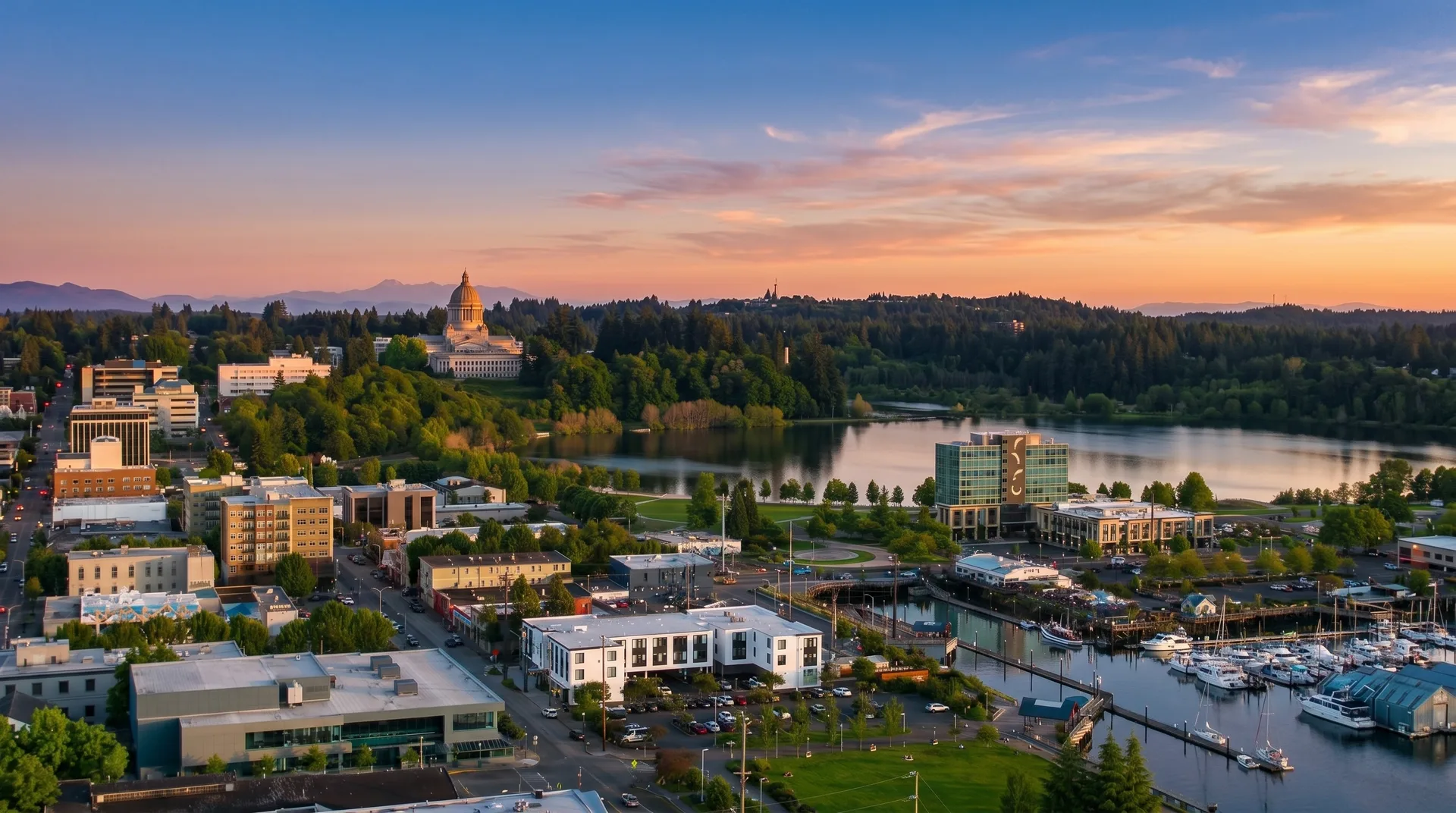
Olympia
Olympia, Washington, serves as a strategic logistics destination at the southern tip of Puget Sound, acting as a vital gateway to the Pacific and a hub for the U.S. Pacific Northwest. Its location provides immediate access to the deep-water Port of Olympia and major north-south Interstate 5, the critical freight corridor connecting California, Oregon, and Washington. This infrastructure supports robust distribution for regional industries. Key economic sectors include timber and forest products, agriculture (particularly dairy, berries, and specialty crops), government and military logistics, and a growing base of advanced manufacturing and clean technology. The city is well-connected by I-5 for road transport and has rail intermodal facilities, making it a versatile endpoint for FTL shipments destined for the western Washington market or for transloading to coastal shipping.










