
Cuilapa to Columbia
Columbia → CuilapaFTL freight transportation service between Cuilapa and Columbia. Reliable logistics solutions for your business.
Route Description
Everything you need to know about the corridor Cuilapa - Columbia
The logistics corridor between Cuilapa, Santa Rosa, Guatemala and Columbia, South Carolina represents a vital cross-border transportation route connecting Central America with the southeastern United States. This 2,383 km corridor facilitates the movement of goods between Guatemala's growing export economy and one of America's most dynamic industrial regions. The route traverses diverse terrain and crosses multiple international borders, requiring expert coordination and compliance with both Guatemalan and U.S. customs regulations.
The economic significance of this corridor is substantial, as it connects Guatemala's agricultural and manufacturing sectors with Columbia's robust distribution and manufacturing hubs. Major industries utilizing this route include automotive parts, electronics, textiles, agricultural products, and consumer goods. The corridor serves as a critical link for companies engaged in international trade between these two important economic regions.
Transportation infrastructure along this corridor includes major highways such as CA-9 in Guatemala, connecting to Mexican Federal Highways, and subsequently to U.S. Interstate systems including I-85 and I-26 leading into Columbia. Key border crossings include the Mexico-Guatemala border at Ciudad Hidalgo/El Ceibo and the U.S.-Mexico border at various points depending on the specific route chosen. Control Terrestre's expertise in managing cross-border documentation, customs clearance, and compliance ensures seamless freight movement across all international boundaries along this complex route.
Services for this Route
Available services for the corridor Cuilapa - Columbia
 Origin
Cuilapa
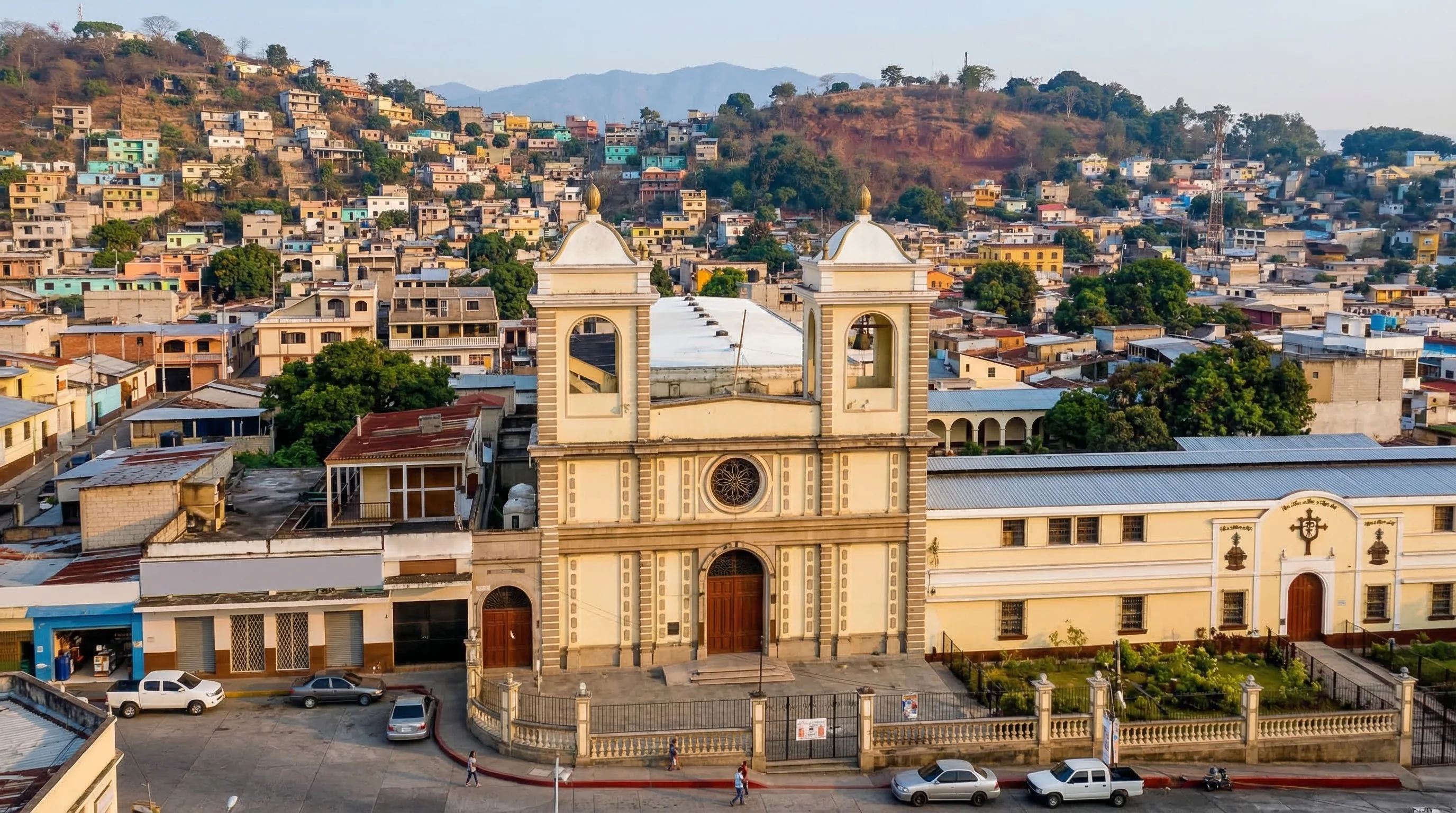
Cuilapa, located in the Santa Rosa department of Guatemala, serves as a strategic logistics hub in southern Guatemala due to its proximity to the Pan-American Highway and its connection to Pacific port facilities. The city's location provides excellent access to both domestic markets and international trade routes. Cuilapa's economy is anchored by agriculture, particularly coffee, sugarcane, and vegetable production, as well as light manufacturing and assembly operations. The region benefits from Guatemala's growing export sector and its participation in various trade agreements. Transportation infrastructure in Cuilapa includes well-maintained highways connecting to Guatemala City and Pacific ports, along with rail connections for bulk cargo. The area's logistics capabilities are enhanced by its proximity to the Puerto Quetzal port complex, making it an ideal origin point for both domestic distribution and international freight shipments.
 Destination
Columbia
Columbia, South Carolina stands as a major logistics and distribution center in the southeastern United States, strategically positioned at the intersection of multiple interstate highways including I-20, I-26, and I-77. The city's central location within the East Coast distribution network makes it an ideal destination for freight from Central America. Columbia's economy is diverse, with strong presence in automotive manufacturing (including facilities for major manufacturers), healthcare, education, and advanced manufacturing. The region benefits from the nearby Port of Charleston, creating a comprehensive logistics ecosystem that includes warehousing, distribution centers, and intermodal facilities. Columbia's transportation infrastructure includes the Columbia Metropolitan Airport, extensive highway networks, and rail connections via CSX and Norfolk Southern railroads. The city's pro-business environment and strategic location make it an attractive destination for companies seeking efficient distribution throughout the southeastern United States and beyond.










