Concord to Ocotepeque
Ocotepeque → ConcordFTL freight transportation service between Concord and Ocotepeque. Reliable logistics solutions for your business.
Route Description
Everything you need to know about the corridor Concord - Ocotepeque
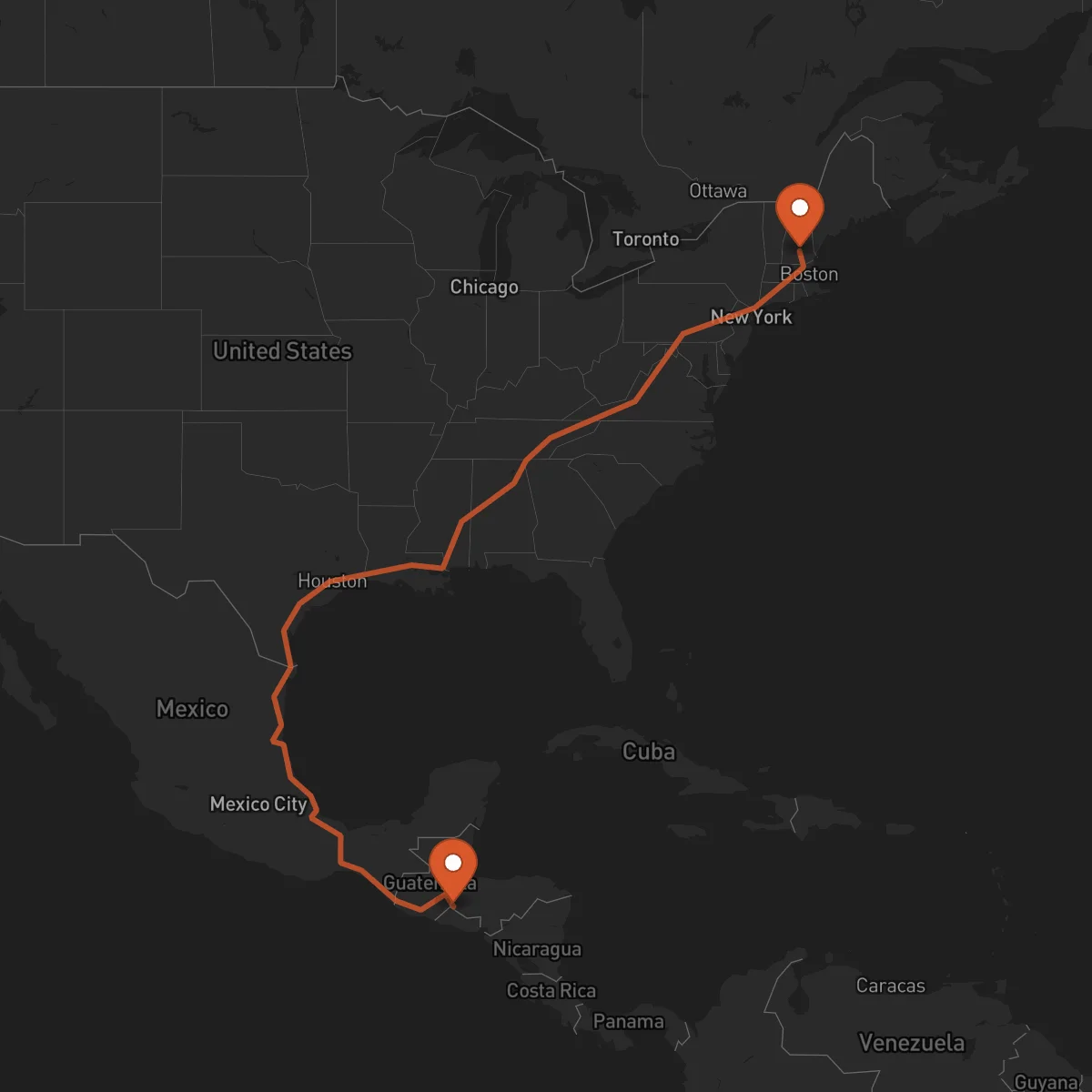
The logistics corridor connecting Concord, New Hampshire with Ocotepeque, Honduras represents a vital cross-border transportation route spanning approximately 3,614 kilometers through North America and Central America. This corridor facilitates the movement of goods between the northeastern United States and the western highlands of Honduras, traversing multiple countries and diverse geographic regions. The route passes through major transportation hubs including key U.S. cities, Mexican border crossings, and Central American distribution centers before reaching its destination in Ocotepeque, strategically located near the borders of Guatemala and El Salvador.
The economic significance of this corridor lies in its ability to connect manufacturing centers in the northeastern United States with agricultural and industrial markets in Central America. Concord serves as a gateway to New England's robust industrial base, while Ocotepeque represents an important commercial center for the Honduran highlands region. The corridor supports various industries including automotive parts, agricultural equipment, electronics, and consumer goods, enabling just-in-time inventory management and efficient supply chain operations for businesses operating across these regions.
Key transportation infrastructure along this route includes major U.S. interstate highways, Mexican federal highways, and Central American road networks. The corridor utilizes established border crossing points with efficient customs processing capabilities, supported by programs like C-TPAT and FAST that expedite cross-border freight movement. Control Terrestre's expertise in managing complex cross-border operations ensures seamless coordination across multiple jurisdictions, providing customers with reliable door-to-door service from origin to destination while navigating the regulatory requirements of each country along the route.
Services for this Route
Available services for the corridor Concord - Ocotepeque
 Origin
Concord
Concord, New Hampshire serves as a strategic logistics hub in the northeastern United States, offering excellent connectivity to major markets throughout New England and beyond. Located along Interstate 93, Concord provides direct access to Boston, Montreal, and other key economic centers. The city's proximity to major ports, airports, and rail terminals makes it an ideal origin point for freight distribution throughout North America. Concord's well-developed transportation infrastructure includes modern warehousing facilities and distribution centers that support efficient freight handling and consolidation operations.
The economic base of Concord and the surrounding Merrimack County region includes advanced manufacturing, healthcare technology, education, and government services. Major industries in the area produce electronics, precision instruments, medical devices, and specialized machinery that require reliable transportation to international markets. The region's skilled workforce and strong industrial heritage contribute to a robust supply chain ecosystem, making Concord an excellent starting point for cross-border freight movements to Central America and beyond.
 Destination
Ocotepeque
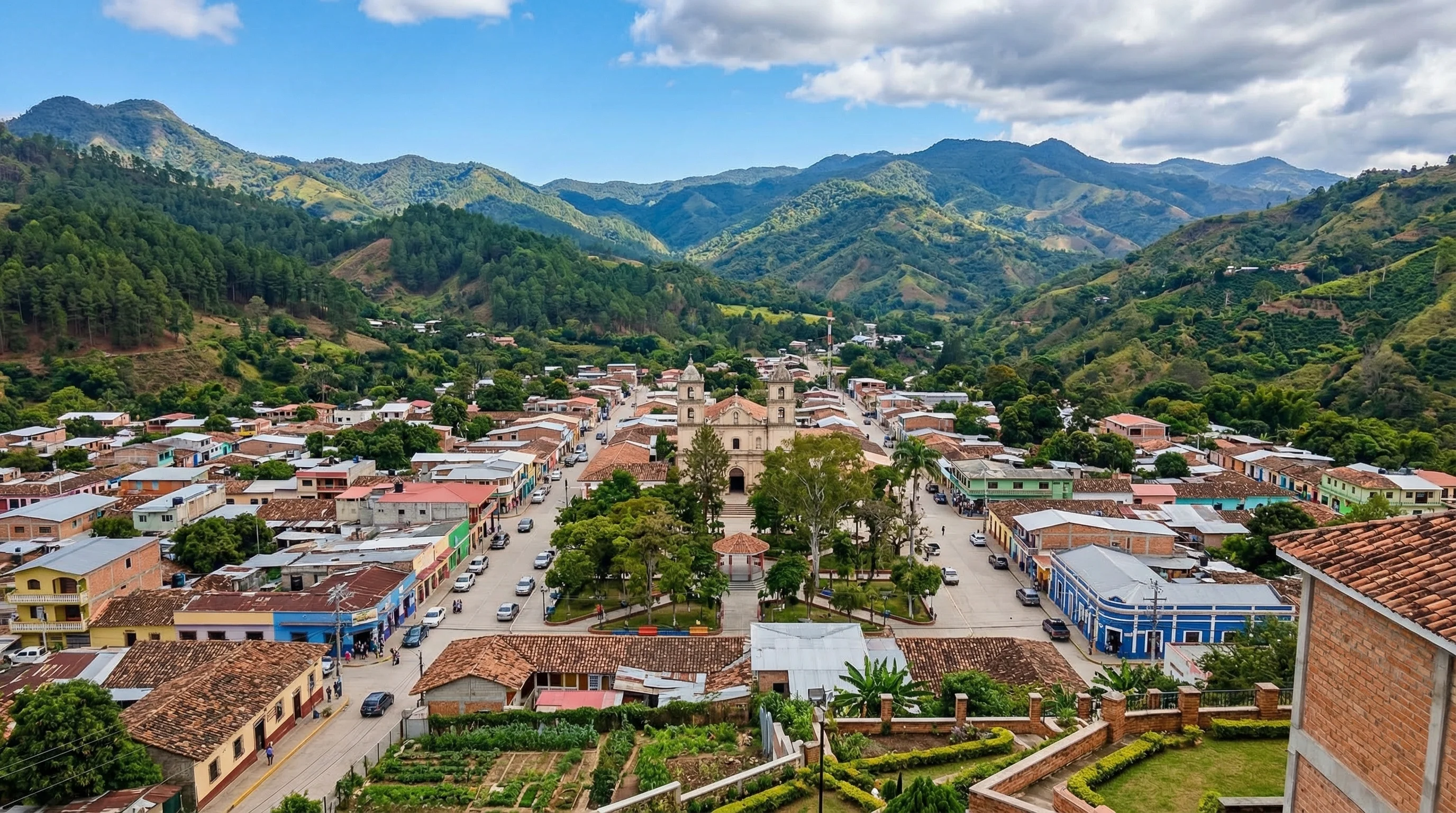
Ocotepeque, Honduras occupies a strategic location in the western highlands of Honduras, serving as a commercial gateway to the surrounding agricultural and industrial regions. The city's position near the borders of Guatemala and El Salvador makes it an important logistics hub for cross-border trade within Central America. Ocotepeque benefits from its location along major transportation routes that connect the Honduran interior with Pacific ports and neighboring countries, facilitating regional distribution and international trade.
The local economy of Ocotepeque and the surrounding Ocotepeque Department centers on agriculture, light manufacturing, and commercial services. Key industries include coffee production, dairy farming, and food processing, along with growing sectors in construction materials and consumer goods manufacturing. The region's agricultural output and industrial activities create consistent demand for reliable freight transportation services to import raw materials and export finished products to North American markets, making efficient logistics solutions essential for regional economic development.










