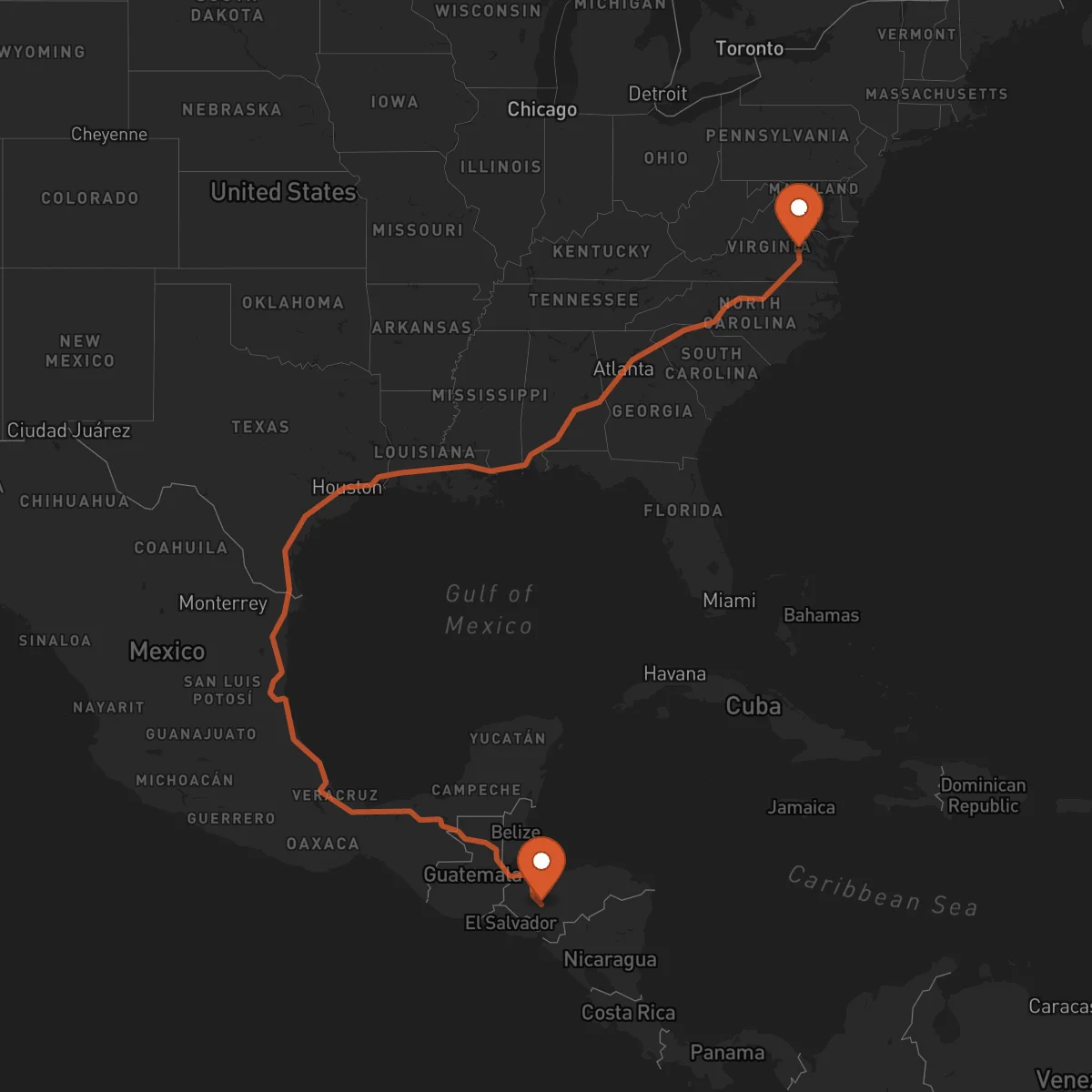
Comayagua to Richmond
Richmond → ComayaguaFTL freight transportation service between Comayagua and Richmond. Reliable logistics solutions for your business.
Route Description
Everything you need to know about the corridor Comayagua - Richmond
The Comayagua to Richmond corridor represents a critical north-south trade artery connecting Honduras' industrial heartland with the strategic Mid-Atlantic market of the United States. This approximately 2,759-kilometer cross-border route is vital for moving full truckload (FTL) freight, facilitating the flow of manufactured goods, agricultural products, and specialized cargo between Central America and the Eastern U.S. supply chain. Its strategic importance is amplified by Richmond's position as a major distribution hub and Comayagua's role as a key manufacturing and agricultural center in Honduras, creating a consistent demand for efficient, dedicated over-the-road transportation.
Economically, this corridor supports thriving industries on both ends. In Honduras, the region around Comayagua is a hub for maquila (textile and apparel manufacturing), agribusiness (coffee, palm oil, fruits), and growing light industrial production. Richmond, Virginia, serves a dense population center with strong demand from manufacturing, food and beverage processing, pharmaceuticals, and retail distribution sectors. The corridor enables just-in-time delivery for these industries, moving raw materials southbound and finished goods northbound with the speed and security of exclusive truckload services.
Key transportation infrastructure includes Honduras' CA-5 highway as the primary north-south artery, connecting to the Guatemalan and Mexican road networks. In the U.S., the route leverages the efficiency of Interstate 95 for the final leg into Richmond. Critical border crossings, such as those between Honduras and Guatemala, and the primary Mexico-U.S. gateways (like Laredo/El Paso), require meticulous customs compliance. Control Terrestre facilitates seamless operations on this corridor by leveraging our alliance of providers who hold essential certifications like C-TPAT, FAST, and BASC. We coordinate dedicated, expedited, and specialized FTL moves—including refrigerated and oversized cargo—managing the complex cross-border documentation and customs brokerage to ensure a smooth, predictable journey from door to door.
Services for this Route
Available services for the corridor Comayagua - Richmond
 Origin
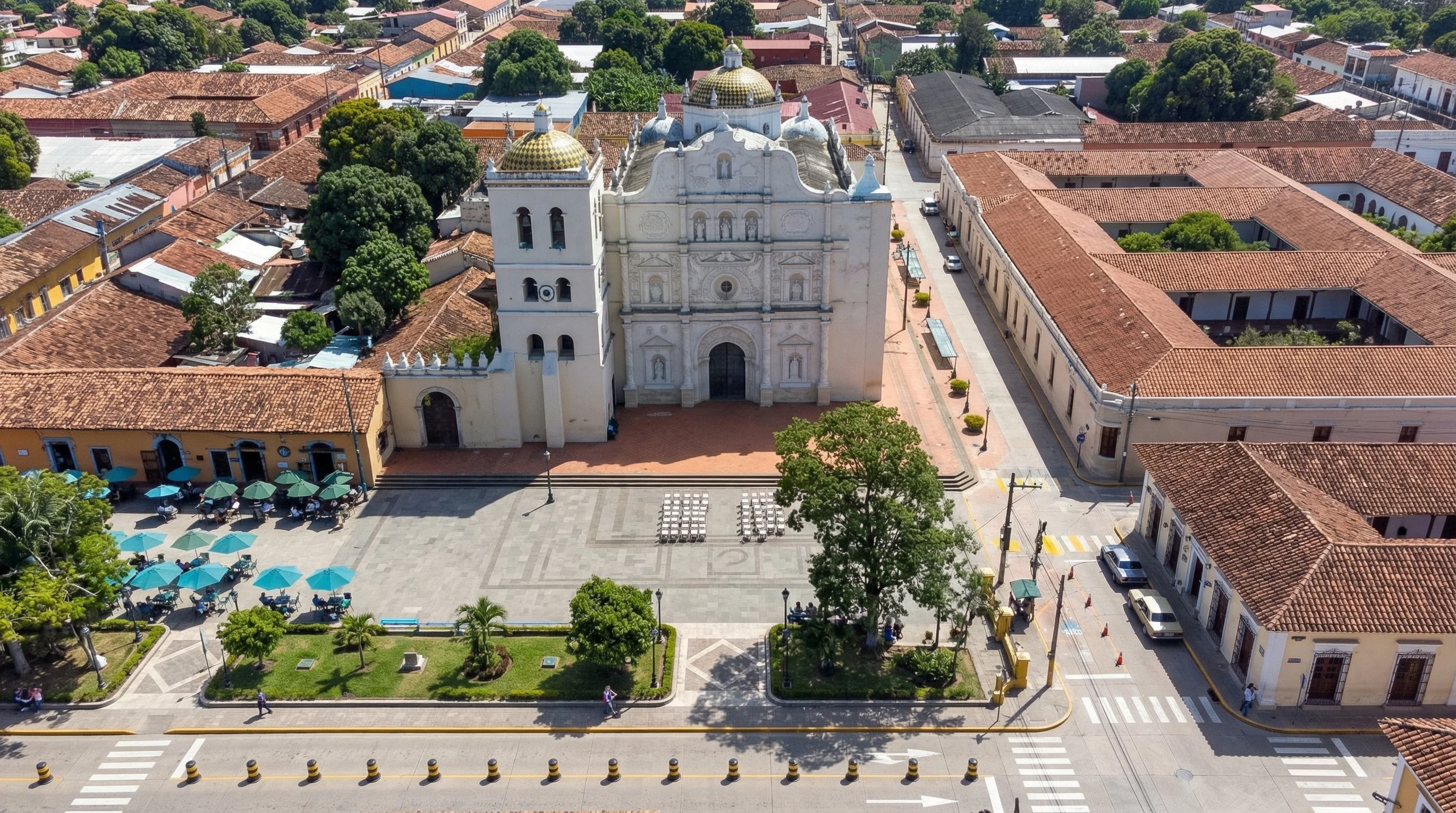
Comayagua, strategically located in central Honduras, serves as a pivotal logistics gateway for the country's most dynamic economic regions. It sits at the crossroads of the CA-5 highway, the nation's main transportation corridor, providing direct access to the major ports of Puerto Cortés on the Caribbean coast and the industrial metropolis of San Pedro Sula. This connectivity makes it an ideal origin point for national and international freight. The local economy is robust, driven by large-scale agriculture (notably coffee and palm oil), a significant concentration of maquila textile factories, and growing general manufacturing. The available transportation infrastructure is well-developed for FTL operations, with reliable highway networks supporting the efficient movement of dry van, refrigerated, and flatbed equipment to border points for northbound export freight.
 Destination
Richmond
Richmond, Virginia, is a premier logistics destination in the Mid-Atlantic United States, offering unmatched strategic advantages for supply chain networks. Its central location provides a one-day truckload reach to over 60% of the U.S. population and key markets from the Northeast to the Southeast. The city is a major intermodal hub with excellent access to Interstate 95, the Norfolk Southern and CSX rail corridors, and the deep-water Port of Virginia. Economically, Richmond thrives on a diverse industrial base including manufacturing (chemicals, machinery, plastics), food and beverage processing, pharmaceuticals, and is a major center for distribution and e-commerce fulfillment. This strong demand for inbound materials and outbound finished goods makes it a consistent terminus for cross-border FTL freight from Central America, supported by comprehensive warehousing and distribution infrastructure.










