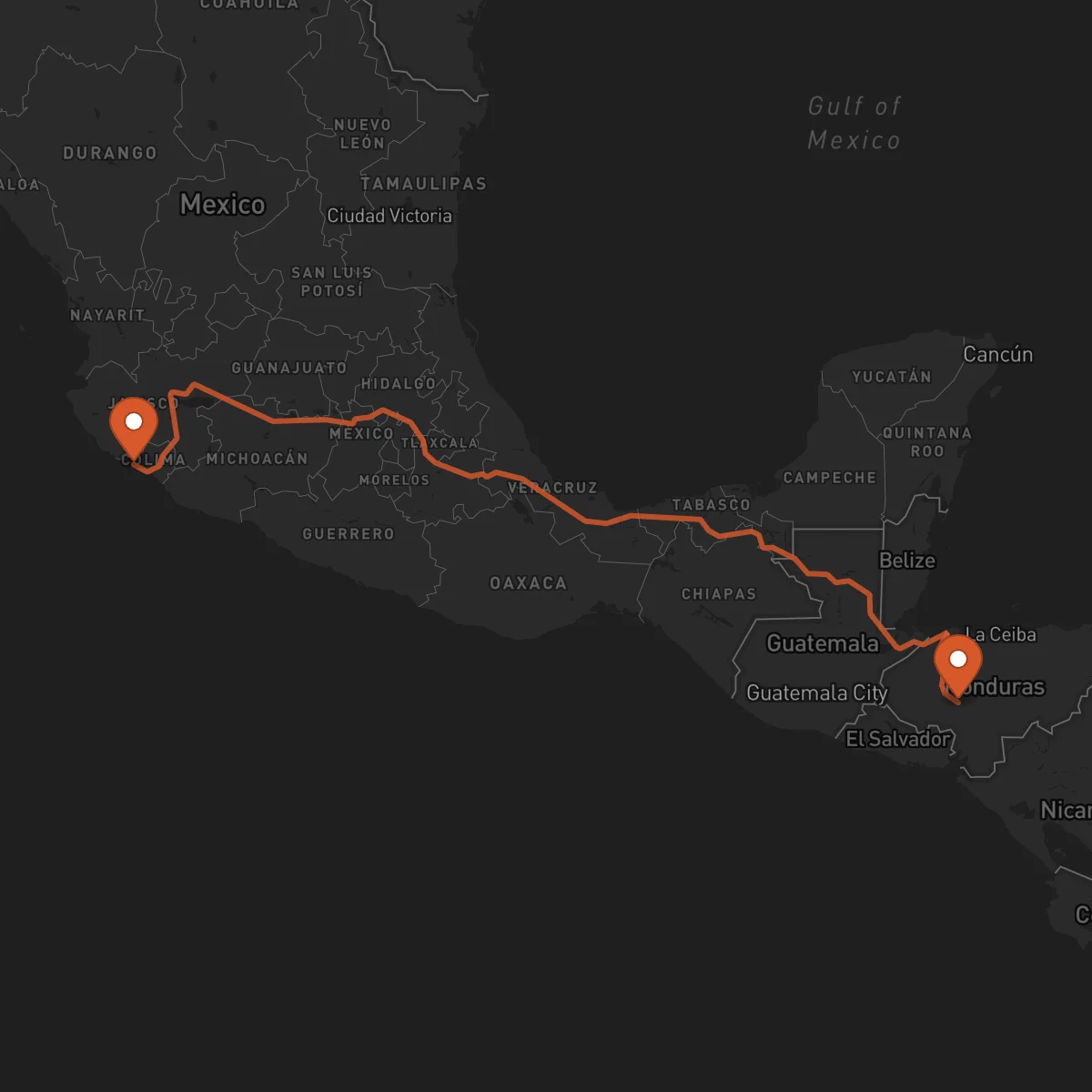
Comayagua to Manzanillo
Manzanillo → ComayaguaFTL freight transportation service between Comayagua and Manzanillo. Reliable logistics solutions for your business.
Route Description
Everything you need to know about the corridor Comayagua - Manzanillo
The Comayagua to Manzanillo corridor represents a critical north-south logistics artery connecting the heart of Honduras with Mexico's vital Pacific port gateway. This approximately 1,846-kilometer cross-border route is strategically essential for moving goods between Central America and the North American market, facilitating trade flows that support regional economic integration. The corridor's importance is magnified by its role in linking Honduran production centers with one of Mexico's most significant container ports, enabling efficient access to global shipping lanes. Economically, the regions served by this corridor are hubs for manufacturing, agriculture, and assembly operations. In Honduras, the Comayagua valley is known for textile maquilas, coffee, and agricultural products. Manzanillo, as a major port city, serves as a primary outlet for Mexico's manufacturing output, particularly from the nearby industrial zones, and handles significant volumes of agricultural and bulk cargo. Key industries utilizing this route include apparel and textile exporters, agricultural producers (coffee, bananas, palm oil), automotive parts manufacturers, and consumer goods distributors seeking to optimize their supply chains between Central American production and North American consumption or onward export. The primary transportation infrastructure relies on a network of major highways. In Honduras, the CA-5 highway provides the crucial north-south link from Comayagua to the Guatemalan border. After crossing into Mexico via the Agua Caliente or other designated crossings, the route typically continues on Mexican Federal Highway 200, which runs parallel to the Pacific coast, offering a direct path to the port of Manzanillo. This highway network is designed for heavy freight movement, though operators must account for varying road conditions and mountainous terrain in sections. The principal border crossing for this corridor is at Agua Caliente (Honduras-Guatemala), followed by the Guatemalan-Mexican border at Ciudad Hidalgo/Tecún Umán. Navigating these crossings requires meticulous customs documentation and compliance with the regulations of three countries. This is where Control Terrestre's expertise becomes indispensable. We leverage our robust alliance of certified carriers who hold essential credentials like C-TPAT, FAST, and BASC, streamlining the complex cross-border process. Our dedicated and spot FTL services are tailored for this corridor, managing the full truckload movement from door in Comayagua to door in Manzanillo, handling all transfer and customs coordination seamlessly to ensure a singular, coordinated shipment for our clients.
Services for this Route
Available services for the corridor Comayagua - Manzanillo
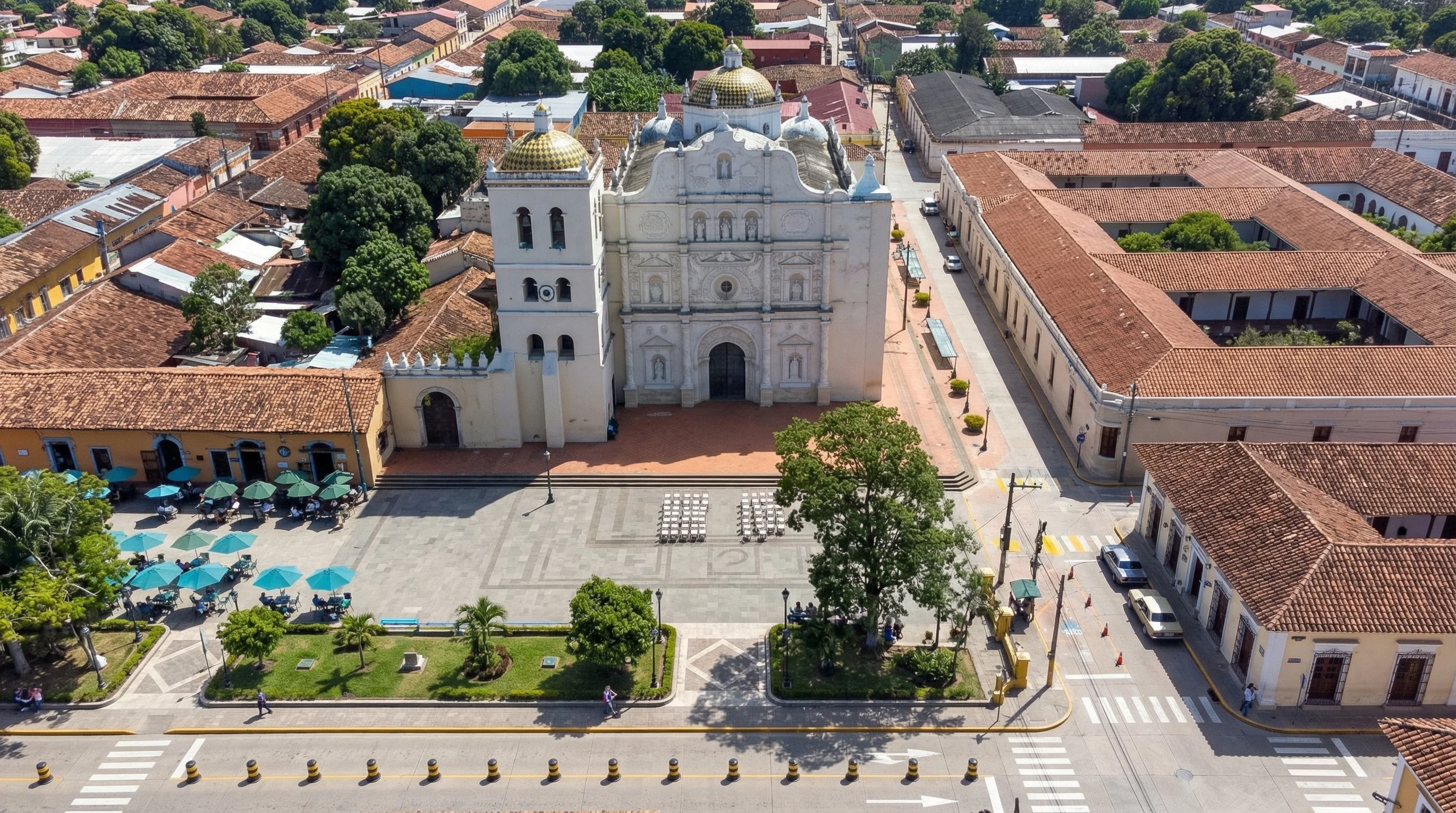 Origin
Comayagua, located in central Honduras, serves as a pivotal logistics and industrial hub for the country. Its strategic position in the Comayagua Valley provides excellent connectivity to Honduras' primary north-south corridor, the CA-5 highway, which directly links the capital, Tegucigalpa, and the northern industrial city of San Pedro Sula to the Guatemalan border. This makes Comayagua an ideal origination point for freight destined for Mexico and beyond. Economically, the region is a powerhouse for several key sectors. It hosts a significant concentration of textile maquilas (assembly plants), which are major exporters. Furthermore, the surrounding valleys are agriculturally rich, producing coffee, sugarcane, fruits, and palm oil for both domestic consumption and export. The availability of a skilled workforce and established industrial parks reinforces its role as a manufacturing and agricultural center. The transportation infrastructure is well-developed for its purpose. The CA-5 highway is a four-lane, toll road for much of its length, capable of handling high volumes of heavy truck traffic. This direct access to the main international artery minimizes initial transit time and provides a reliable starting point for long-haul cross-border shipments. Proximity to the major cargo airport at Soto Cano (Palmerola) also offers multimodal flexibility for high-value or urgent goods requiring air integration before or after the land journey.
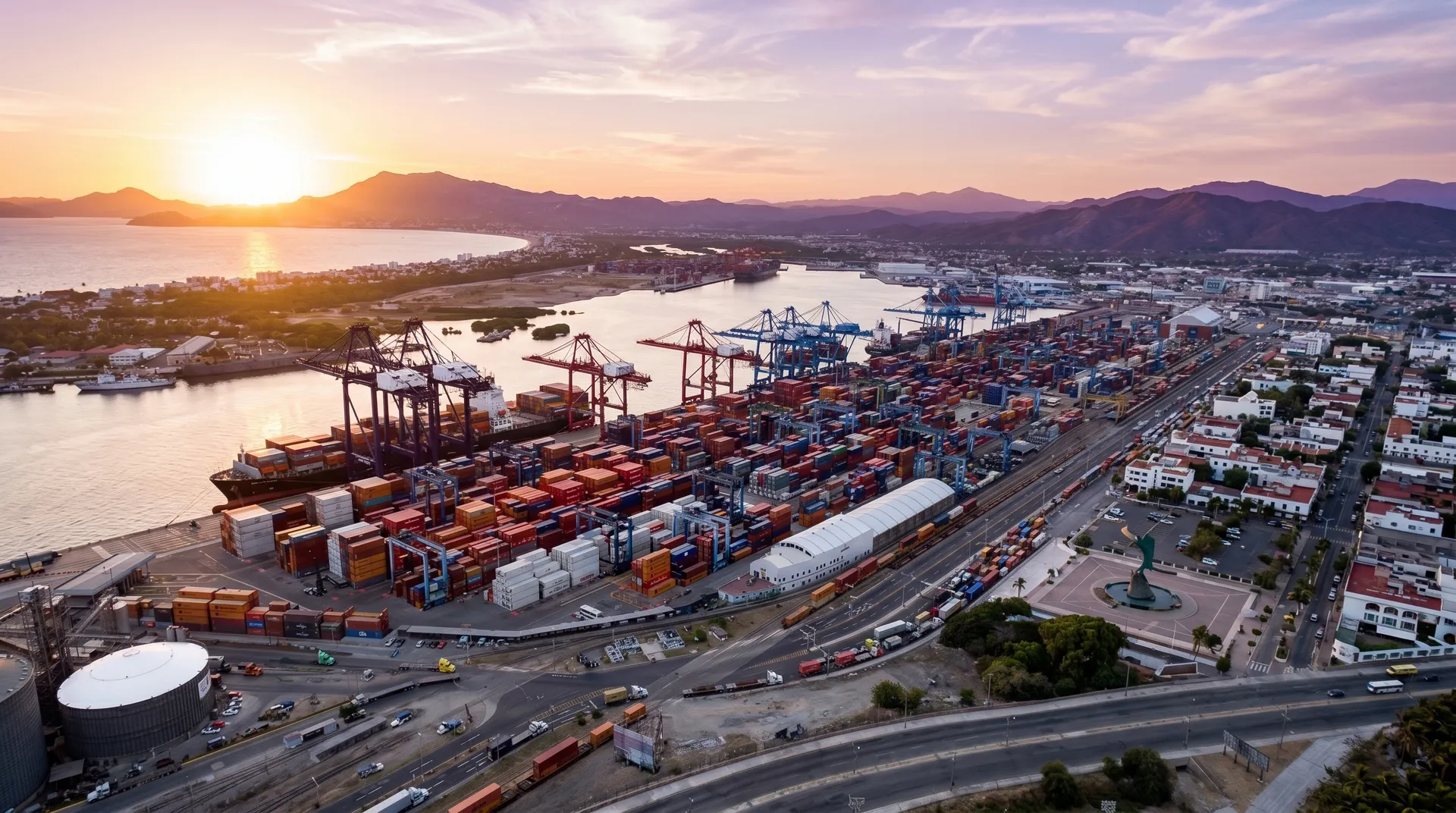 Destination
Manzanillo, located in the state of Colima on Mexico's Pacific coast, is one of the nation's most important and busiest seaports. Its strategic location provides a direct maritime gateway to Asia, the U.S. West Coast, and South America, making it a critical logistics node for international trade. As a destination, it functions as a primary export point for Mexican manufactured goods and an import hub for commodities and consumer products. The local and regional economy is heavily influenced by port activities, supporting a vast ecosystem of logistics providers, customs brokers, warehousing, and distribution centers. Key industries driving freight to and from Manzanillo include automotive (vehicle and parts export), agriculture (bulk grains, fruits), manufacturing (electronics, appliances), and energy. The port's deep-water facilities handle containerized, bulk, and break-bulk cargo efficiently. The transportation infrastructure serving Manzanillo is comprehensive. The port itself is equipped with modern container terminals and cargo handling facilities. Land access is primarily via Mexican Federal Highway 200, which runs along the coast and connects Manzanillo to major inland industrial cities like Guadalajara, Mexico City, and the border with the United States. This highway provides the final leg for FTL shipments arriving from Central America. Additionally, rail connections from the port further enhance its intermodal capabilities, allowing for flexible cargo movement deep into the Mexican interior.


Ready to ship your cargo?
Get a personalized quote for your freight.
Quote Now Comayagua - Manzanillo








