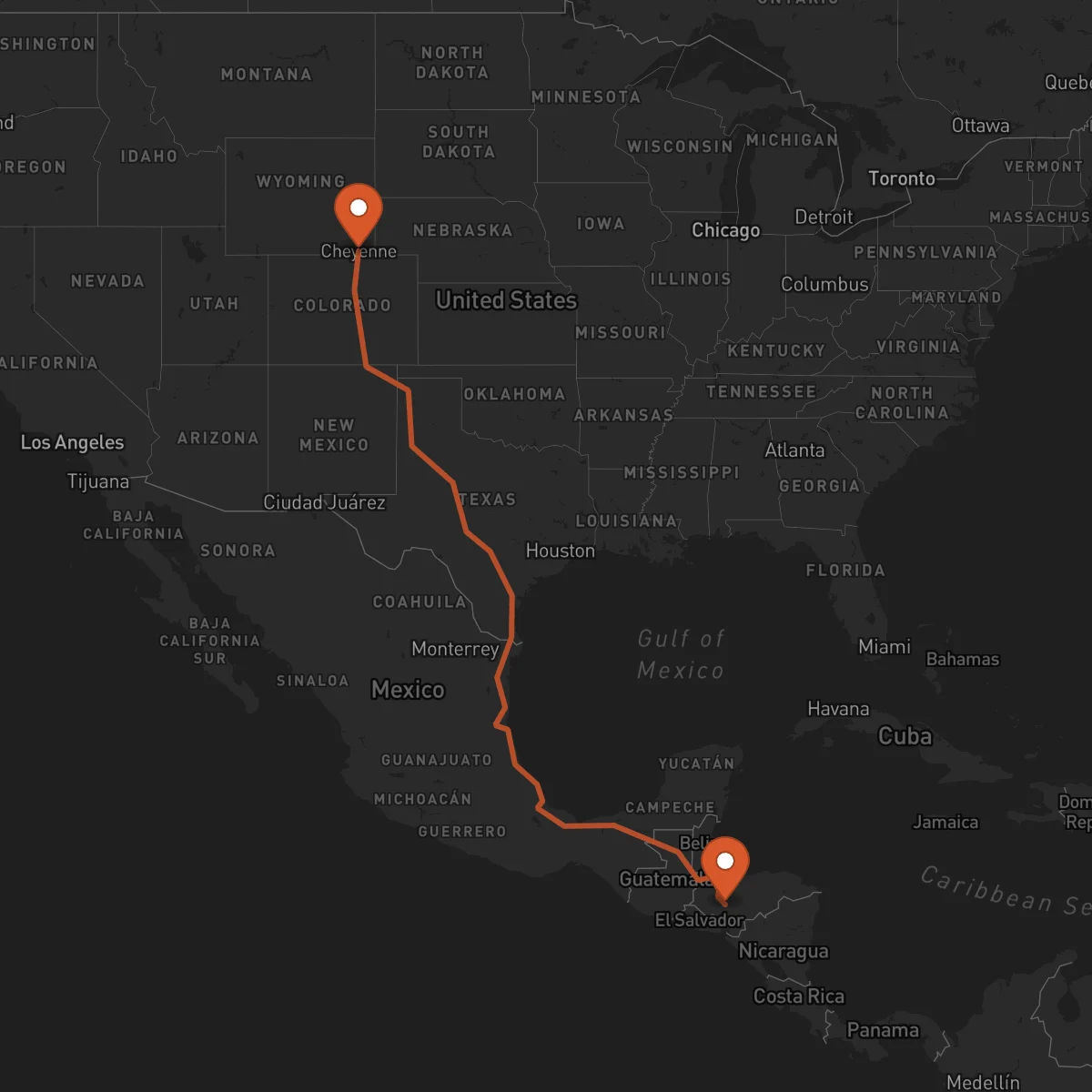
Comayagua to Cheyenne
Cheyenne → ComayaguaFTL freight transportation service between Comayagua and Cheyenne. Reliable logistics solutions for your business.
Route Description
Everything you need to know about the corridor Comayagua - Cheyenne
The Comayagua, Honduras to Cheyenne, Wyoming corridor is a critical North American trade link connecting Central American manufacturing with the interior United States. This strategic route facilitates the movement of goods across approximately 3,400 km, bridging a key production region with a major domestic logistics hub. The economic context is defined by Honduras's role as a manufacturing and agricultural exporter, particularly in textiles, coffee, and produce, while Wyoming's economy is driven by agriculture, energy extraction, and mineral processing. Primary industries utilizing this corridor include agribusiness, consumer goods manufacturing, and industrial equipment suppliers. The transportation infrastructure relies on a network of major highways, including Honduras's CA-5 to the border, Mexican federal highways (such as MX-190 and MX-45), and U.S. Interstates I-25 and I-80. The most relevant border crossing for this north-south trajectory is typically at El Florido (Honduras/Guatemala) or Agua Caliente (Guatemala/Mexico), followed by a primary U.S. entry point like Laredo, Texas, or Nogales, Arizona, requiring meticulous customs clearance. Control Terrestre facilitates seamless operations on this complex corridor through our alliance of certified providers. Our partners hold essential accreditations like C-TPAT and FAST for expedited U.S. clearance and BASC for security standards in the Americas. We manage the entire cross-border process, coordinating dedicated FTL solutions—from dry vans and reefers to flatbeds for specialized cargo—ensuring a single point of contact for your door-to-door shipment from Comayagua to Cheyenne.
Services for this Route
Available services for the corridor Comayagua - Cheyenne
 Origin
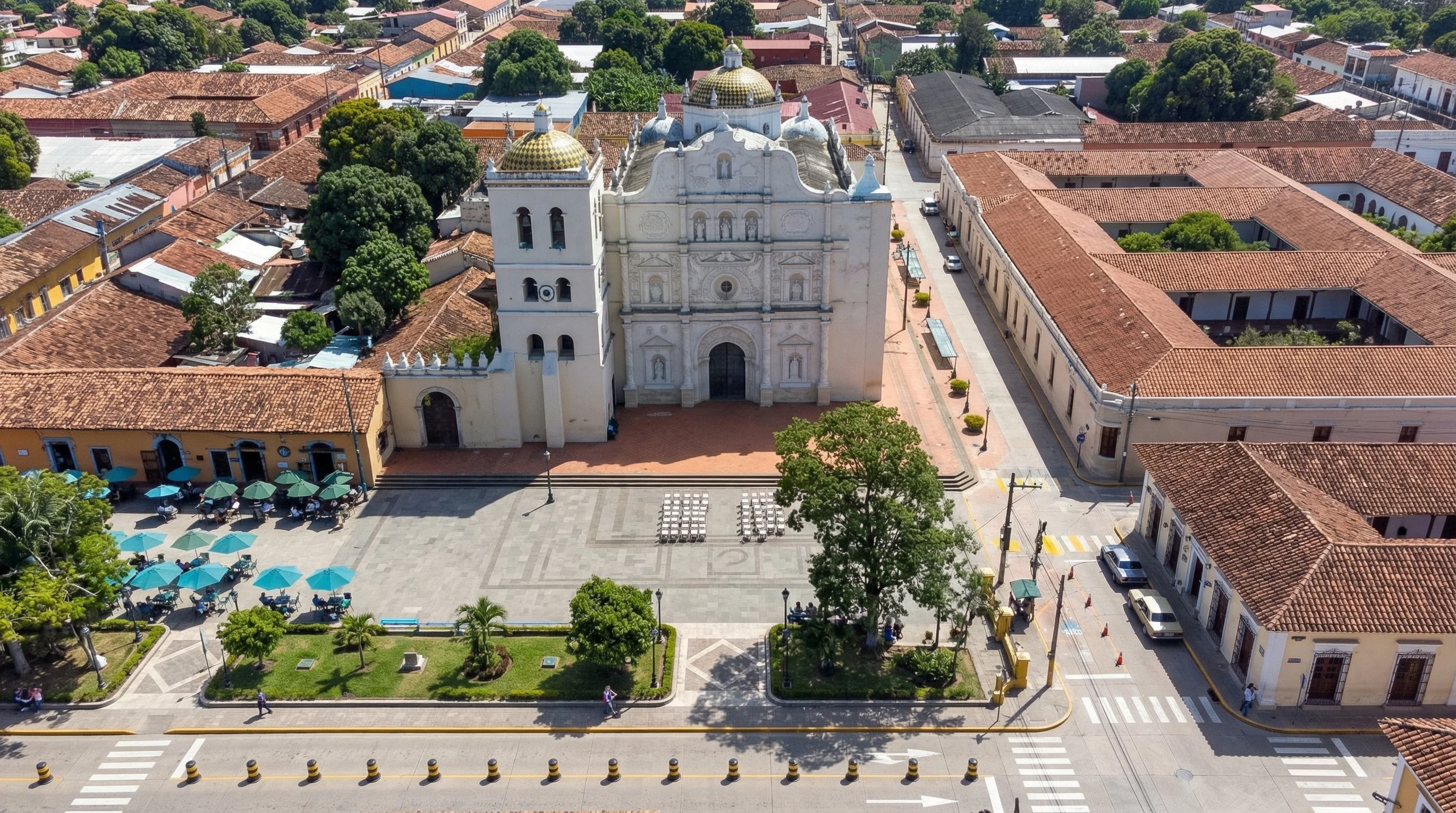
Comayagua, Honduras, is a pivotal logistics origin in Central America, situated in the country's central valley with direct access to the Pacific coast via Puerto Cortés. Its strategic location is enhanced by being a major industrial hub, home to numerous maquilas (manufacturing plants) and agricultural processing centers. The region's economy is robustly linked to textiles, coffee production, and fresh fruit exports. Key transportation infrastructure includes the CA-5 highway, which provides the primary north-south connection to the Guatemalan border and the broader Central American corridor. The nearby Puerto Cortés seaport offers vital multimodal connectivity for international trade. For land-based freight, Comayagua serves as a consolidated departure point, with well-established routes that feed into the primary northbound corridors toward Mexico and the United States, making it an efficient launchpad for FTL shipments destined for North American markets.
 Destination
Cheyenne
Cheyenne, Wyoming, is a strategically significant logistics destination in the interior United States. As the state capital, it functions as a central distribution hub for the Rocky Mountain region and a critical junction for cross-country freight. Its economy is anchored by agriculture (livestock, grains), energy (coal, natural gas, trona mining), and government services. The city's logistics infrastructure is defined by its intersection of two major Interstate highways: I-25, running north-south from Colorado to Montana, and I-80, the transcontinental east-west corridor. This provides unparalleled access to markets across the continental U.S. Cheyenne also features substantial rail intermodal facilities and is within a day's drive of major population centers in the West and Midwest. For receiving cross-border freight, its location allows for efficient final-mile distribution to Wyoming's industries and beyond, serving as a key terminus for dedicated and specialized cargo from the south.










