
Columbus to Sololá
Sololá → ColumbusFTL freight transportation service between Columbus and Sololá. Reliable logistics solutions for your business.
Route Description
Everything you need to know about the corridor Columbus - Sololá
The Columbus to Sololá corridor represents a vital cross-border freight transportation route connecting the industrial heartland of Ohio with the vibrant economic center of Guatemala's highlands. This 2,912 km journey traverses diverse terrain and crosses multiple international borders, making it essential for companies engaged in North American and Central American trade. The route facilitates the movement of goods between two major economic zones, supporting industries that require reliable, full truckload transportation solutions for their supply chain operations.
The economic significance of this corridor is substantial, linking Columbus's manufacturing and distribution ecosystem with Sololá's growing industrial and agricultural sectors. Columbus serves as a major logistics hub in the Midwest, with proximity to major manufacturing centers and distribution networks. Meanwhile, Sololá represents a strategic gateway to Guatemala's interior highlands, where textile production, agriculture, and light manufacturing drive regional economic activity. This complementary economic relationship creates consistent freight demand in both directions.
Transportation infrastructure along this corridor includes major interstate highways connecting Columbus to southern U.S. border crossings, followed by the Pan-American Highway system through Mexico and into Guatemala. Key border crossings at Laredo/Nuevo Laredo or El Paso/Ciudad Juárez provide efficient entry points into Mexico, with subsequent connections to Guatemala through established trade routes. Control Terrestre's expertise in managing cross-border documentation, customs clearance, and compliance requirements ensures seamless freight movement across all jurisdictions along this complex international route.
Services for this Route
Available services for the corridor Columbus - Sololá
 Origin
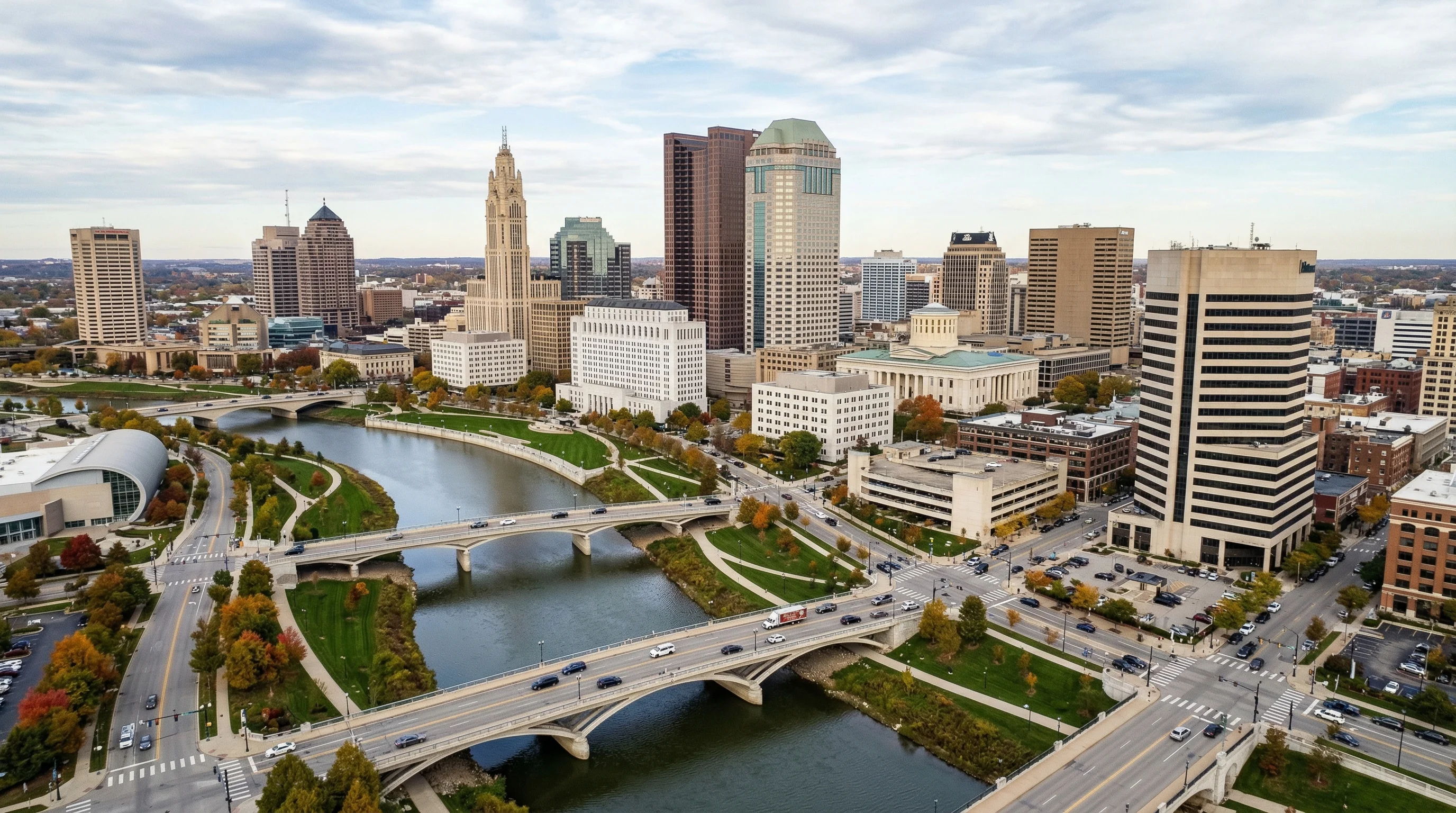
Columbus
Columbus, Ohio serves as a strategic logistics hub in the American Midwest, positioned at the intersection of major interstate highways including I-70 and I-71. The city's central location provides excellent connectivity to both coastal ports and inland manufacturing centers, making it an ideal origin point for freight distribution. Columbus benefits from a robust transportation infrastructure featuring multiple intermodal facilities, warehousing districts, and direct rail connections that complement its highway network.
The economic landscape of Columbus encompasses diverse industries including advanced manufacturing, healthcare technology, education, and logistics services. Major employers in the region include logistics companies, automotive parts manufacturers, and food processing facilities that generate consistent freight volumes. The city's pro-business environment and strategic location have attracted numerous distribution centers and fulfillment operations, creating a dynamic freight generation ecosystem that supports year-round transportation demand.
 Destination
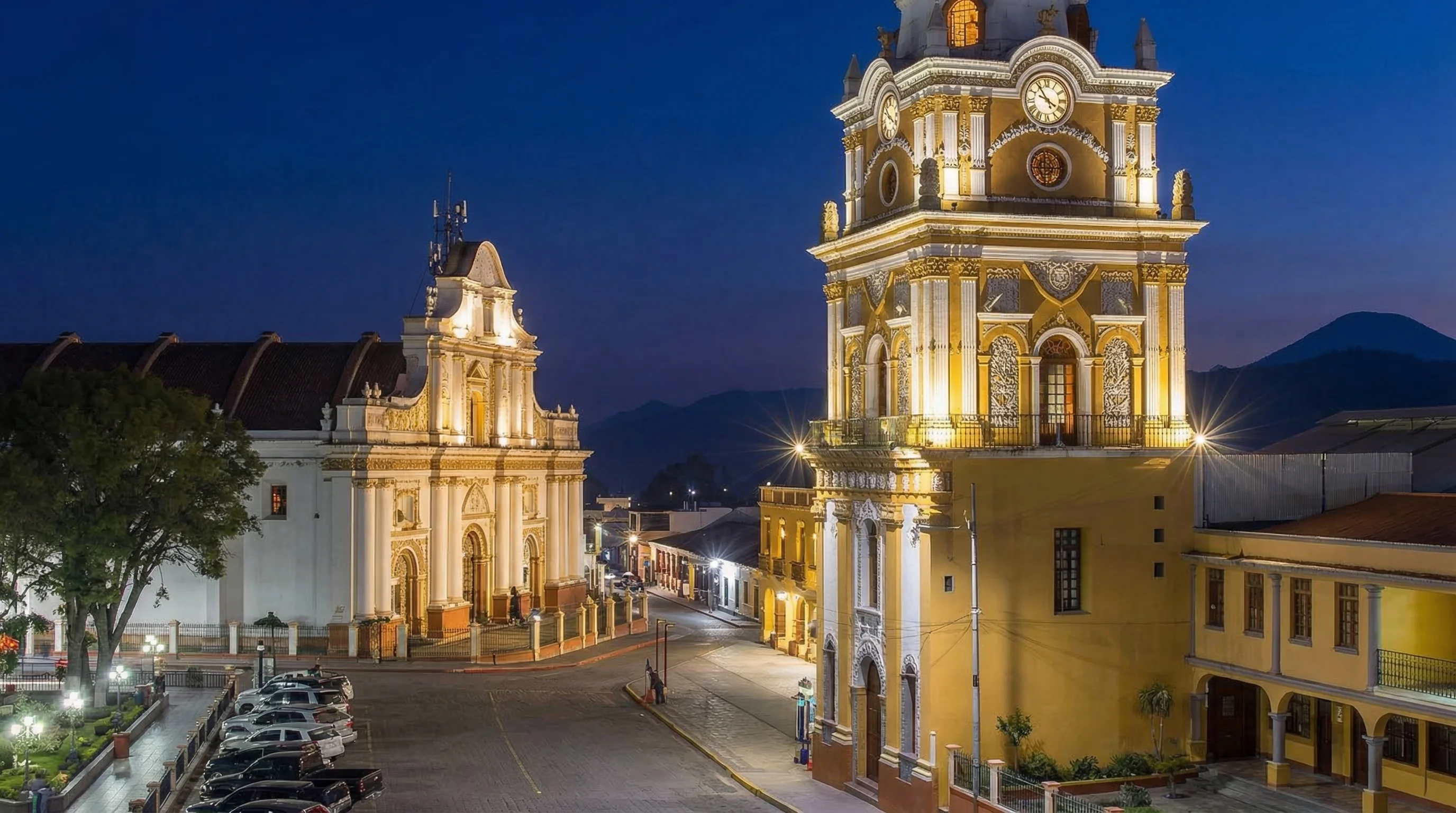
Sololá, Guatemala occupies a strategic position in the country's highlands, serving as a commercial and industrial center for the surrounding region. Located near Lake Atitlán and connected to major transportation routes, Sololá provides access to Guatemala's interior markets while maintaining proximity to Pacific port facilities. The city's elevation and location make it a natural distribution point for goods moving throughout the highland region and into neighboring areas.
The local economy of Sololá is characterized by textile manufacturing, agricultural production, and light industrial activities. The region is known for its traditional weaving and textile industries, which require consistent supply chain support for raw materials and finished goods distribution. Additionally, agricultural products from the surrounding highlands, including coffee, vegetables, and flowers, create seasonal freight movements that complement the industrial cargo flows. The area's growing manufacturing sector, particularly in textiles and consumer goods, generates steady demand for full truckload transportation services connecting to U.S. markets.










