
Columbus to Jalapa
Jalapa → ColumbusFTL freight transportation service between Columbus and Jalapa. Reliable logistics solutions for your business.
Route Description
Everything you need to know about the corridor Columbus - Jalapa
The logistics corridor connecting Columbus, Ohio, with Jalapa, Guatemala, represents a vital link in the North American supply chain, spanning approximately 2,898 kilometers through diverse terrain and multiple international borders. This cross-border route serves as a critical artery for trade between the United States and Central America, facilitating the movement of goods from the industrial heartland of the Midwest to the growing markets of Guatemala. The corridor traverses key economic regions, connecting manufacturing centers, agricultural zones, and commercial hubs across three countries, making it essential for companies seeking to optimize their distribution networks throughout the region.
The economic significance of this corridor is underscored by the complementary industrial activities along its path. Columbus serves as a major logistics hub with strong manufacturing, technology, and agricultural sectors, while Jalapa represents an important commercial center in Guatemala's eastern region, with growing industries in textiles, food processing, and agricultural products. The route passes through major transportation nodes including major U.S. cities, Mexican industrial centers, and Guatemalan commercial districts, creating opportunities for intermodal connections and efficient freight movement. Key industries utilizing this corridor include automotive parts, electronics, agricultural commodities, consumer goods, and industrial equipment, all requiring reliable full truckload (FTL) transportation services.
Transportation infrastructure along this corridor includes major interstate highways in the United States, such as I-70 and I-71 connecting Columbus to the Midwest network, transitioning to Mexican Federal Highways (Carreteras Federales) that provide access to key border crossings like Laredo/Nuevo Laredo or El Paso/Juárez. The route continues through Mexico's extensive highway system before entering Guatemala via the Corredor Seco (Dry Corridor), utilizing CA-1 and other major Guatemalan highways to reach Jalapa. Control Terrestre's expertise in managing cross-border operations ensures seamless coordination across these diverse transportation networks, with our certified carriers handling all customs documentation, border procedures, and regulatory compliance to maintain efficient cargo flow throughout the entire journey.
Services for this Route
Available services for the corridor Columbus - Jalapa
 Origin
Columbus
Columbus, Ohio, stands as a strategic logistics hub in the American Midwest, benefiting from its central geographic location and robust transportation infrastructure. The city serves as a major distribution center with access to multiple interstate highways, including I-70 and I-71, which provide direct connections to other major U.S. markets. Columbus's economy is diversified, with strong presence in manufacturing, healthcare, education, and technology sectors, creating consistent demand for freight transportation services. The city's Rickenbacker International Airport and extensive rail connections complement its highway network, making it an ideal origin point for full truckload shipments destined for Central America and beyond.
 Destination
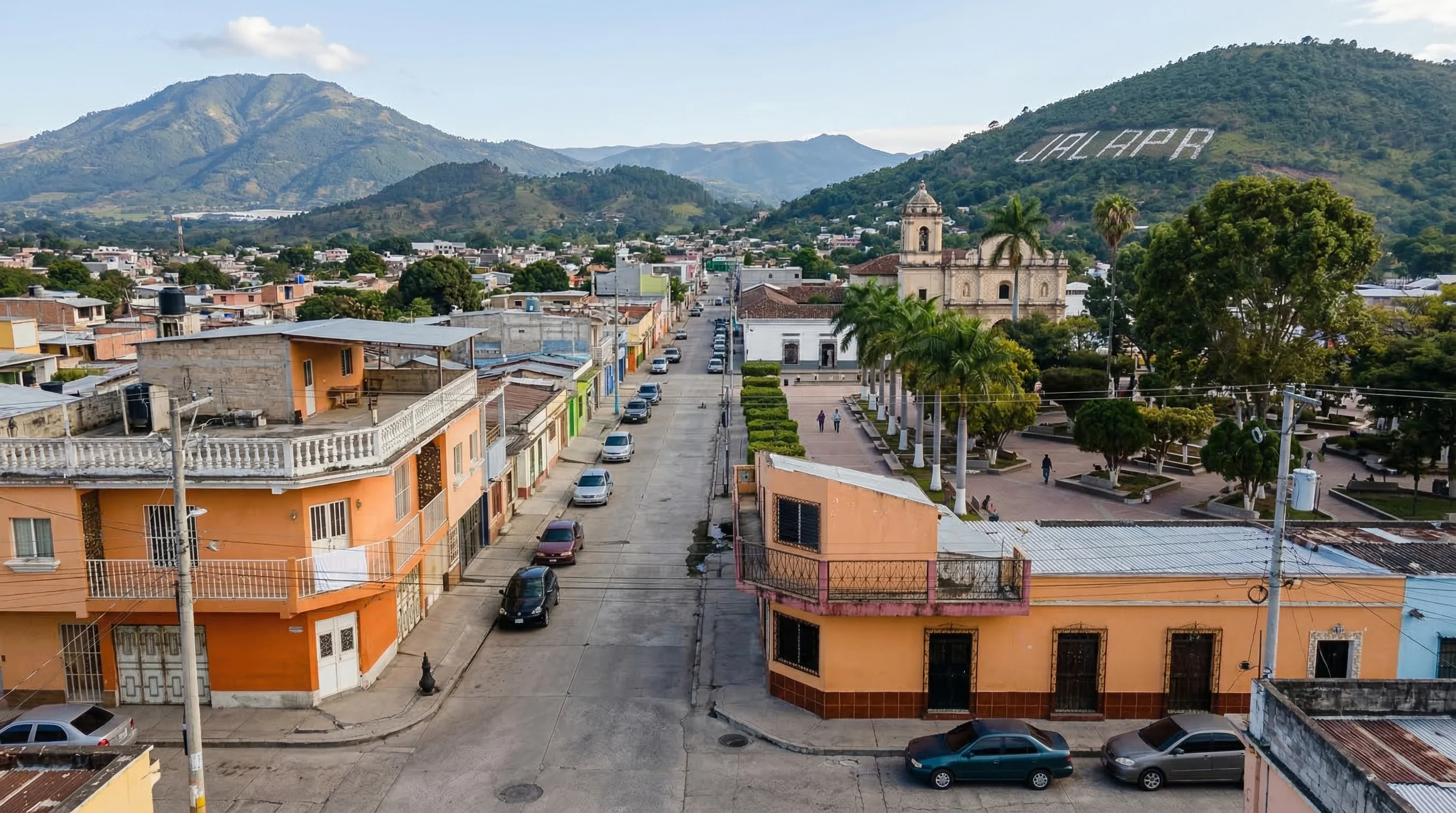
Jalapa, located in eastern Guatemala, serves as an important commercial and agricultural center in the region. The city's strategic position in the Department of Jalapa provides access to surrounding agricultural areas known for producing coffee, vegetables, and other crops, as well as emerging industrial activities. Jalapa's transportation infrastructure includes connections to Guatemala's national highway system, particularly the CA-1 highway that links to the capital and other major cities. The region's growing commercial activity and proximity to the Honduran border make it an increasingly important destination for freight transportation, with local industries requiring reliable logistics solutions to support their supply chains and distribution networks.










