
Columbia to Rivas
Rivas → ColumbiaFTL freight transportation service between Columbia and Rivas. Reliable logistics solutions for your business.
Route Description
Everything you need to know about the corridor Columbia - Rivas
The logistics corridor connecting Columbia, South Carolina, to Rivas, Nicaragua, represents a vital cross-border trade route spanning approximately 2,556 kilometers. This corridor serves as a crucial link between the industrial heartland of the southeastern United States and the growing economic markets of Central America. The route facilitates the movement of diverse cargo types, from manufactured goods and agricultural products to industrial equipment and consumer merchandise, supporting the expanding trade relationships between North and Central American markets.
The transportation infrastructure along this corridor includes major interstate highways in the United States, connecting through key border crossings into Mexico, followed by the Pan-American Highway system through Central America. The route traverses diverse geographic and economic zones, requiring expertise in cross-border logistics, customs documentation, and regional regulations. Control Terrestre's specialized knowledge of this corridor ensures seamless freight movement through multiple countries, handling all necessary permits, customs clearance, and compliance requirements for full truckload shipments.
This corridor is particularly important for industries such as automotive manufacturing, electronics, textiles, and agricultural products, which rely on reliable transportation between production centers in the United States and distribution points throughout Central America. The route's strategic importance continues to grow as trade volumes increase and supply chain networks expand across the Americas. Control Terrestre's dedicated full truckload services provide the capacity, reliability, and expertise needed to optimize freight movement along this essential cross-border corridor.
Services for this Route
Available services for the corridor Columbia - Rivas
 Origin
Columbia
Columbia, South Carolina, serves as a strategic logistics hub in the southeastern United States, offering excellent connectivity to major markets along the East Coast and throughout the Southeast. The city's central location provides efficient access to interstate highways, including I-20, I-26, and I-77, facilitating rapid distribution to surrounding states and major ports. Columbia's logistics infrastructure includes modern warehousing facilities, intermodal yards, and proximity to the Port of Charleston, one of the busiest container ports on the East Coast.
The region's economy is diverse, with strong presence in automotive manufacturing, aerospace, healthcare, and advanced manufacturing sectors. Major employers include Fort Jackson military base, University of South Carolina, and numerous industrial parks that support freight transportation needs. The area's skilled workforce and business-friendly environment make it an ideal origin point for full truckload shipments destined for international markets, particularly those requiring specialized handling or time-sensitive delivery to Central American destinations.
 Destination
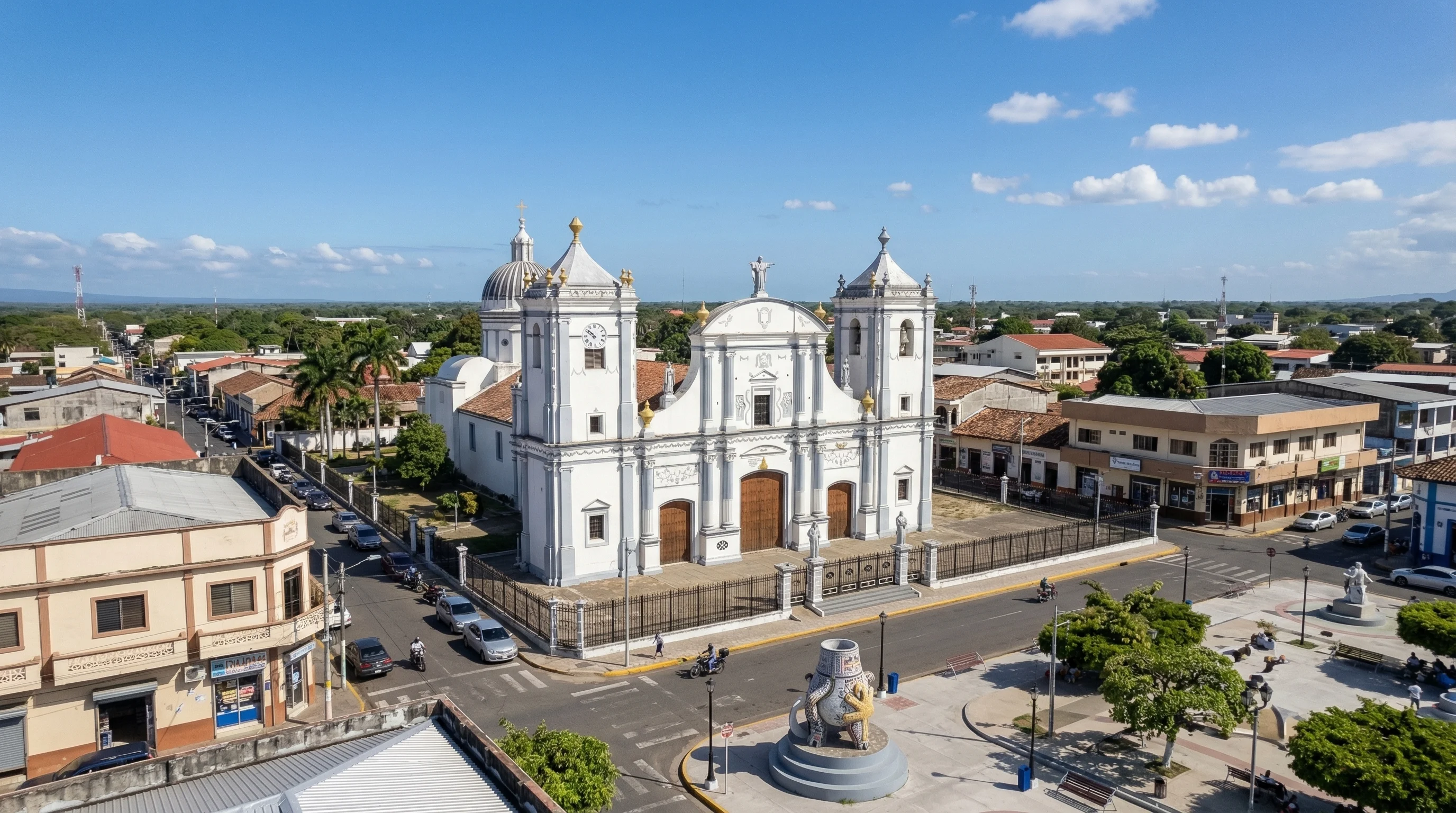
Rivas, Nicaragua, occupies a strategic position in Central America, situated near the Pacific coast and serving as a gateway to both domestic markets and regional trade routes. The city's location provides access to the proposed Nicaragua Grand Canal project and proximity to the Costa Rican border, making it an important logistics node for cross-border commerce. Rivas benefits from improving infrastructure, including paved highways connecting to Managua and other major cities, as well as access to Pacific port facilities for international shipping.
The local economy in Rivas and surrounding areas focuses on agriculture, tourism, and light manufacturing, with growing interest in industrial development and export-oriented production. The region's agricultural output includes coffee, tobacco, and tropical fruits, while tourism centered around Lake Nicaragua and nearby beaches continues to expand. These economic activities create consistent demand for reliable freight transportation services, particularly for importing raw materials, equipment, and consumer goods from North American markets, as well as exporting regional products to international destinations.










