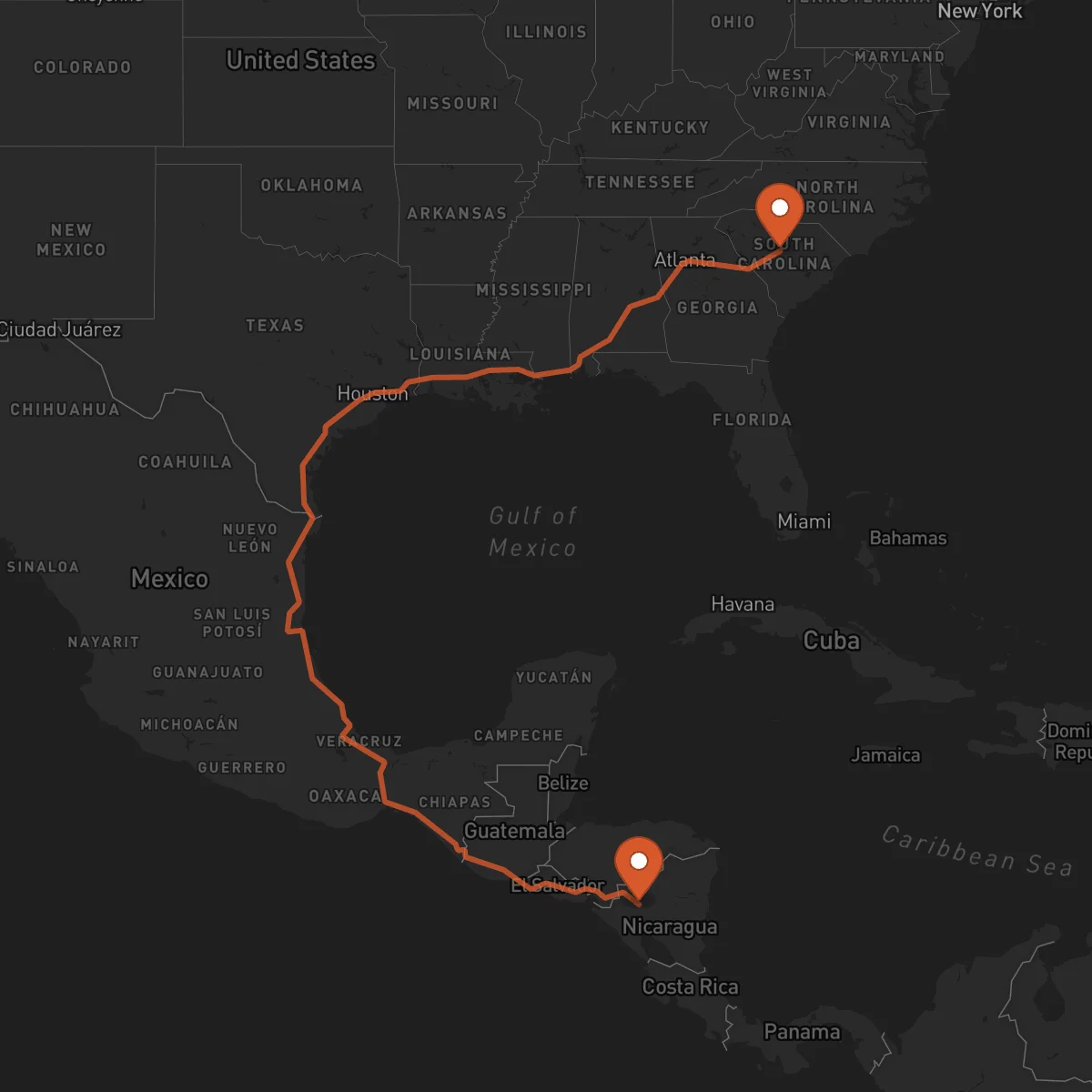
Columbia to Jinotega
Jinotega → ColumbiaFTL freight transportation service between Columbia and Jinotega. Reliable logistics solutions for your business.
Route Description
Everything you need to know about the corridor Columbia - Jinotega
The logistics corridor connecting Columbia, South Carolina, to Jinotega, Nicaragua, represents a vital cross-border route for freight transportation between the United States and Central America. Spanning approximately 2,379 kilometers, this corridor facilitates the movement of goods through a combination of interstate highways in the US and major roadways in Mexico and Central America. Control Terrestre specializes in managing the complexities of this cross-border journey, ensuring seamless door-to-door service for full truckload shipments. Our expertise includes navigating customs procedures, coordinating with trusted carriers, and providing real-time tracking throughout the entire route.
Services for this Route
Available services for the corridor Columbia - Jinotega
 Origin
Columbia
Columbia, South Carolina, serves as a strategic logistics hub in the southeastern United States. Located at the intersection of major interstate highways I-20 and I-26, Columbia provides excellent connectivity to both East Coast ports and inland destinations. The city's economy is diverse, with strong manufacturing, automotive, and distribution sectors. Columbia benefits from the presence of the Port of Charleston, one of the busiest container ports on the East Coast, making it an ideal origin point for international freight shipments heading south.
 Destination
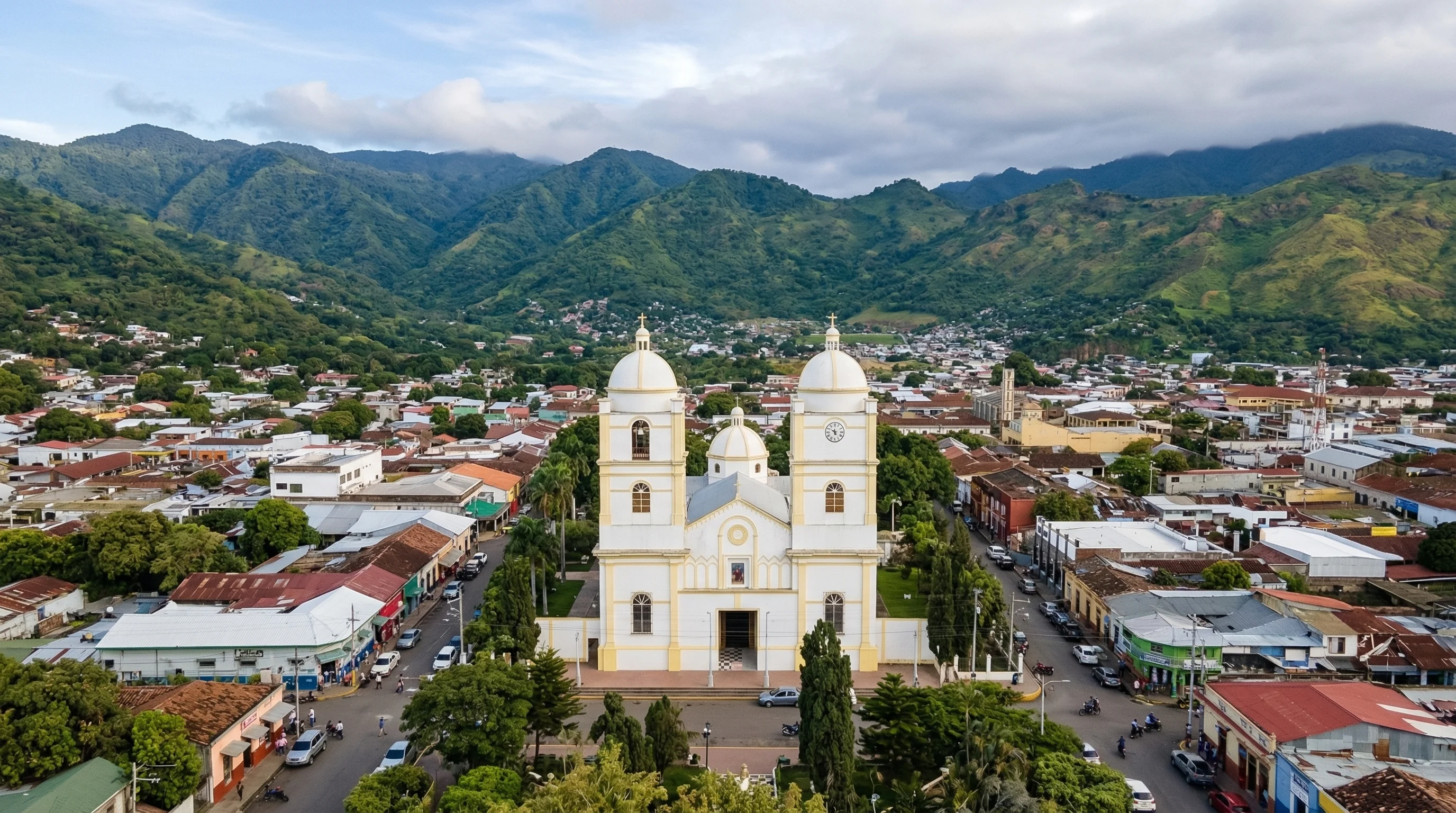
Jinotega, located in northern Nicaragua, is a key city in the country's agricultural heartland. Known as the "City of Mists," Jinotega serves as an important commercial center for the surrounding coffee-growing region. The city's strategic location provides access to both Pacific and Atlantic ports through Nicaragua's highway network. While the transportation infrastructure continues to develop, Jinotega's road connections to Managua and other major cities facilitate the movement of agricultural products, textiles, and manufactured goods throughout the region.










