Columbia to Granada
Granada → ColumbiaFTL freight transportation service between Columbia and Granada. Reliable logistics solutions for your business.
Route Description
Everything you need to know about the corridor Columbia - Granada
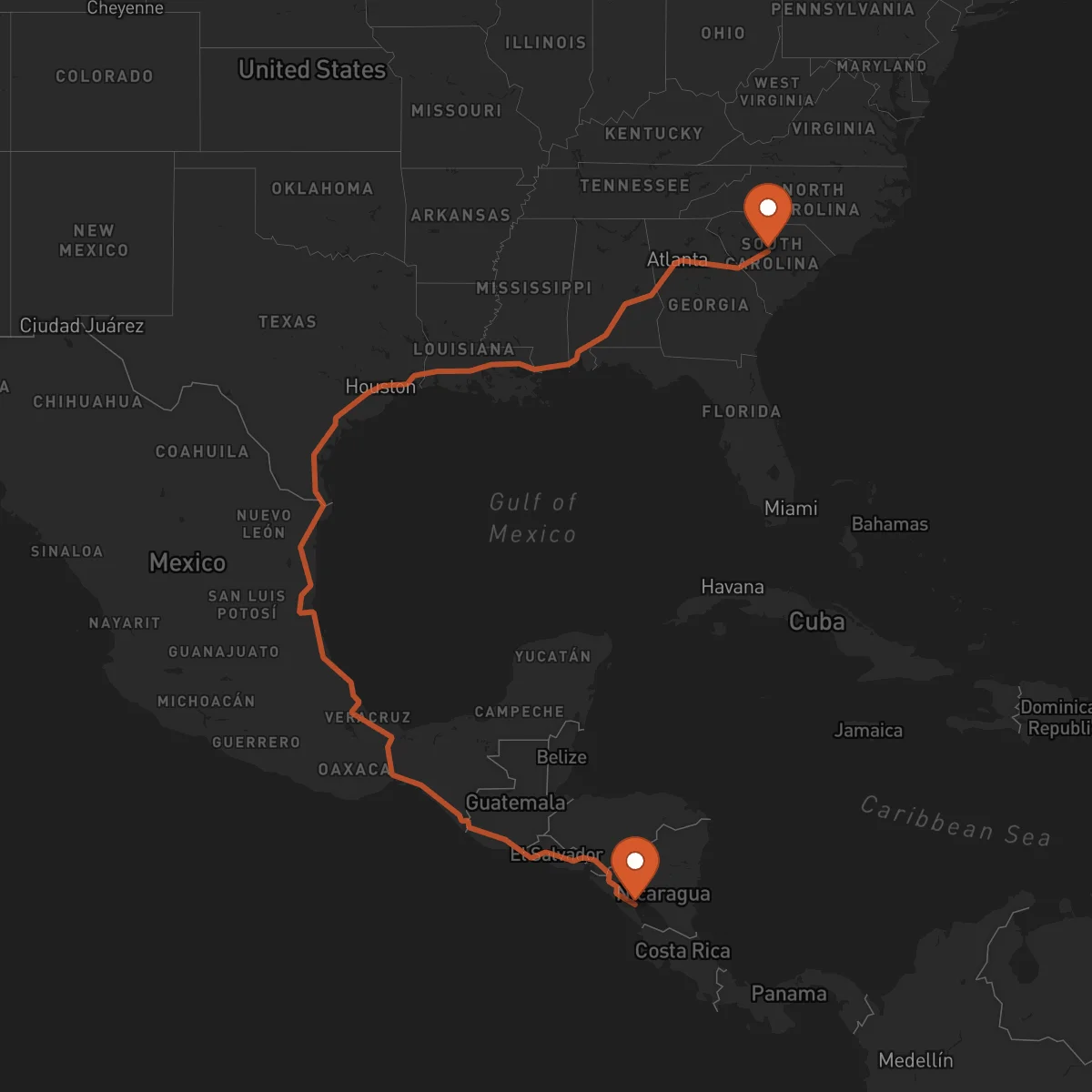
The logistics corridor connecting Columbia, South Carolina, to Granada, Nicaragua, represents a vital trade link between the southeastern United States and Central America. This approximately 2,504 km cross-border route facilitates the movement of diverse cargo types, supporting economic integration between these regions. The corridor traverses multiple states and countries, requiring seamless coordination across different transportation networks and regulatory environments.
The route begins in Columbia, a strategic logistics hub in the southeastern United States, and extends through major transportation arteries before crossing into Mexico and continuing through Central America. Key industries utilizing this corridor include automotive parts, electronics, agricultural products, and consumer goods. The route passes through major industrial centers and agricultural regions, making it essential for both finished goods and raw materials transport.
Major transportation infrastructure along this corridor includes interstate highways in the United States, Mexican federal highways, and the Pan-American Highway through Central America. The route requires careful coordination at border crossings, particularly at the US-Mexico border and between Mexico and Guatemala. Control Terrestre provides comprehensive cross-border logistics solutions, managing customs documentation, regulatory compliance, and seamless cargo transfer between different transportation modes and jurisdictions.
Services for this Route
Available services for the corridor Columbia - Granada
 Origin
Columbia
Columbia, South Carolina serves as a strategic origin point for logistics operations in the southeastern United States. Located at the intersection of major interstate highways I-20 and I-26, the city provides excellent connectivity to major ports, distribution centers, and manufacturing hubs throughout the region. The metropolitan area hosts significant industrial activity, including automotive manufacturing, healthcare, and advanced materials production, creating substantial freight generation for both inbound and outbound logistics.
The city benefits from proximity to the Port of Charleston and Port of Savannah, providing ocean freight connectivity. Columbia's central location within South Carolina allows for efficient distribution throughout the Southeast region. The area features modern warehousing and distribution facilities, with specialized capabilities for handling various cargo types. Transportation infrastructure includes multiple rail connections and a well-developed highway network, supporting diverse logistics operations.
 Destination
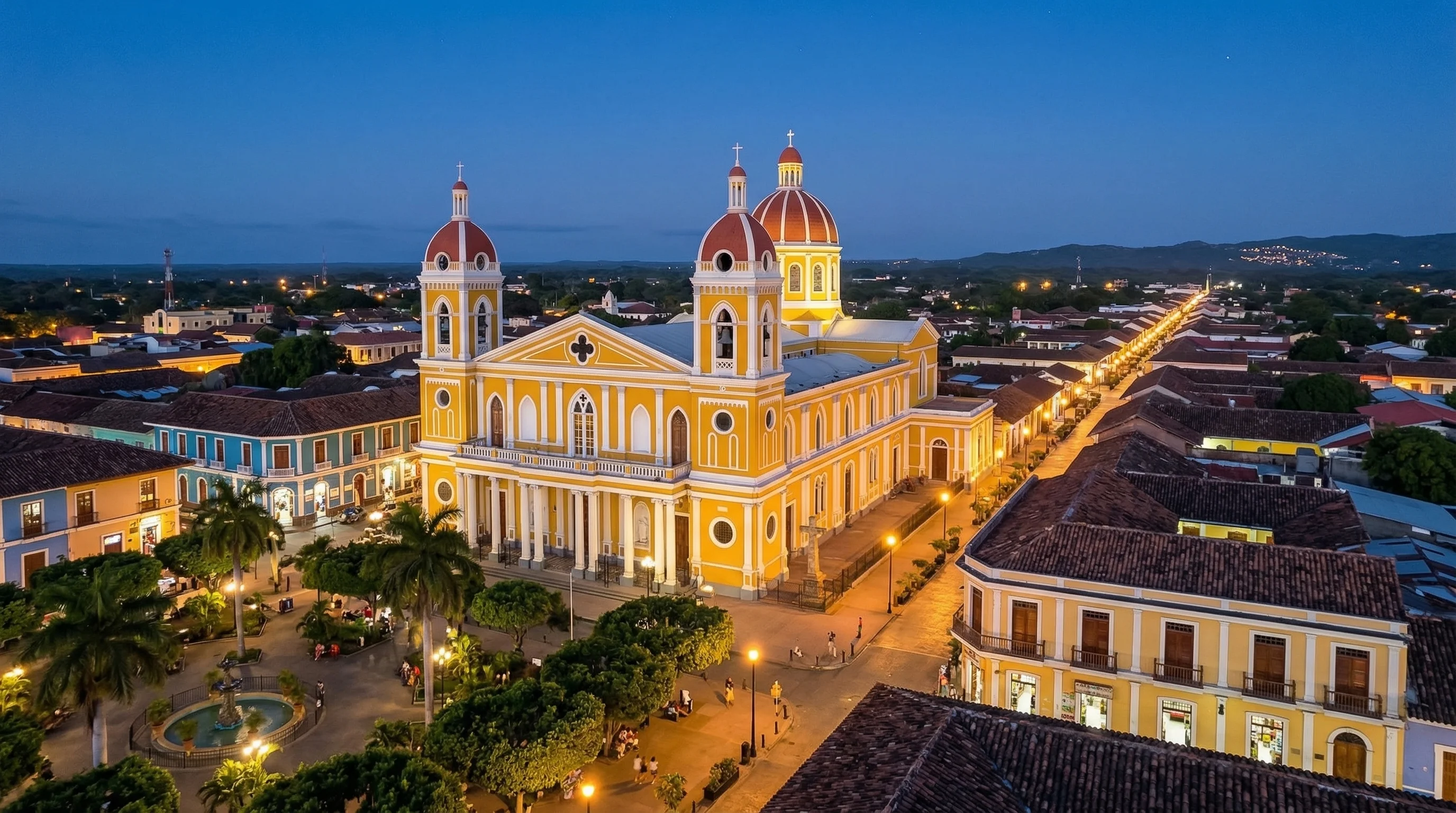
Granada, Nicaragua represents a key logistics destination in Central America, strategically located near the country's Pacific coast and major transportation corridors. The city serves as an important commercial center for western Nicaragua, with growing industrial and tourism sectors driving freight demand. Its proximity to Managua and the Pacific port of Corinto provides access to both domestic markets and international shipping routes.
The region's economy includes agriculture, textiles, and light manufacturing, with increasing foreign investment in industrial parks. Transportation infrastructure in and around Granada includes the Pan-American Highway, providing connectivity to other Central American countries and to ports. The city's location facilitates distribution throughout Nicaragua and to neighboring countries. Control Terrestre's operations in this corridor ensure reliable freight movement to and from Granada, supporting the region's economic development and trade relationships.










