Columbia to Colón
Colón → ColumbiaFTL freight transportation service between Columbia and Colón. Reliable logistics solutions for your business.
Route Description
Everything you need to know about the corridor Columbia - Colón
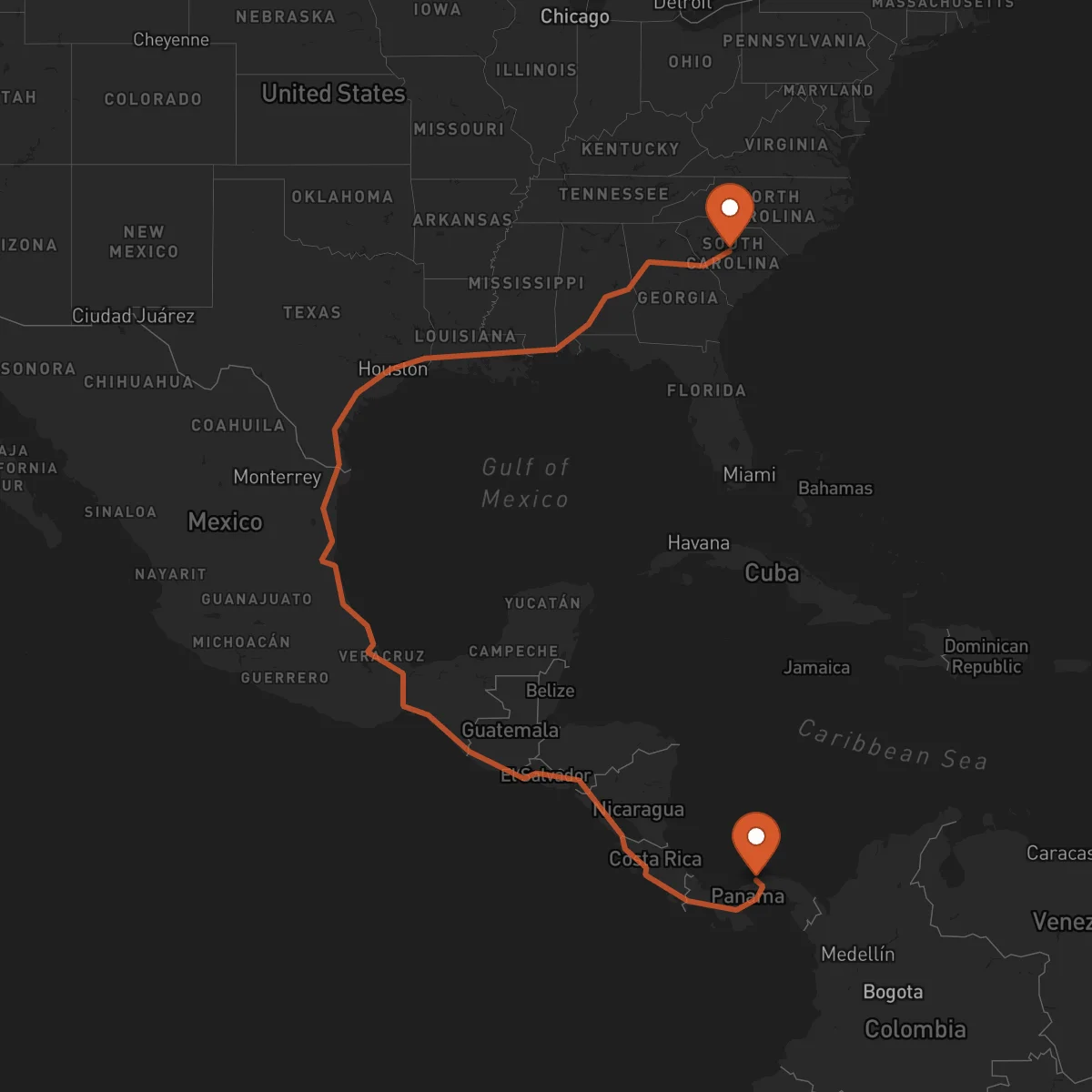
The logistics corridor connecting Columbia, South Carolina, to Colón, Panama, represents a vital trade route spanning approximately 2,742 kilometers across North and Central America. This cross-border corridor facilitates the movement of goods between the southeastern United States and one of Central America's most important maritime hubs. The route traverses diverse terrain and crosses multiple international borders, requiring specialized expertise in cross-border logistics and customs compliance.
The economic significance of this corridor is substantial, linking the industrial and manufacturing powerhouse of South Carolina with Panama's strategic position as a global logistics center. South Carolina's economy, driven by automotive manufacturing, aerospace, and advanced materials, produces high-value goods that find markets throughout Latin America. Meanwhile, Colón serves as Panama's primary Atlantic port city, home to the Atlantic entrance of the Panama Canal and the Colón Free Trade Zone, one of the largest in the Americas.
Key transportation infrastructure along this corridor includes major U.S. interstate highways such as I-77 and I-95, which connect to Mexico's comprehensive road network. The corridor then continues through Central America via the Pan-American Highway, the primary north-south route through the region. Critical border crossings include the Mexico-Guatemala border at Ciudad Hidalgo/El Carmen, and the Panama-Costa Rica border at Paso Canoas. Control Terrestre's expertise in managing these complex border procedures ensures seamless cargo movement, with our C-TPAT-certified carriers and experienced logistics teams handling all customs documentation and compliance requirements.
Control Terrestre facilitates operations on this corridor by providing dedicated full truckload services with real-time tracking, temperature-controlled options for sensitive cargo, and specialized handling for oversized or hazardous materials. Our strategic partnerships with local carriers throughout Mexico and Central America ensure consistent service quality from origin to destination, while our comprehensive insurance coverage provides peace of mind for high-value shipments moving between these two important economic regions.
Services for this Route
Available services for the corridor Columbia - Colón
 Origin
Columbia
Columbia, South Carolina, serves as a strategic logistics hub in the southeastern United States, offering excellent connectivity to major markets along the East Coast and beyond. Located at the intersection of major transportation corridors, Columbia provides direct access to interstate highways including I-20, I-26, and I-77, facilitating efficient distribution throughout the region. The city's central location within South Carolina makes it an ideal origin point for freight moving in all directions.
The economic landscape of Columbia is diverse and robust, with key industries including automotive manufacturing, aerospace, healthcare, and education. The presence of major employers such as Fort Jackson, the University of South Carolina, and various manufacturing facilities creates a strong demand for logistics services. The region's advanced manufacturing sector, particularly in automotive and aerospace components, generates significant freight volume requiring reliable transportation solutions to international markets.
 Destination
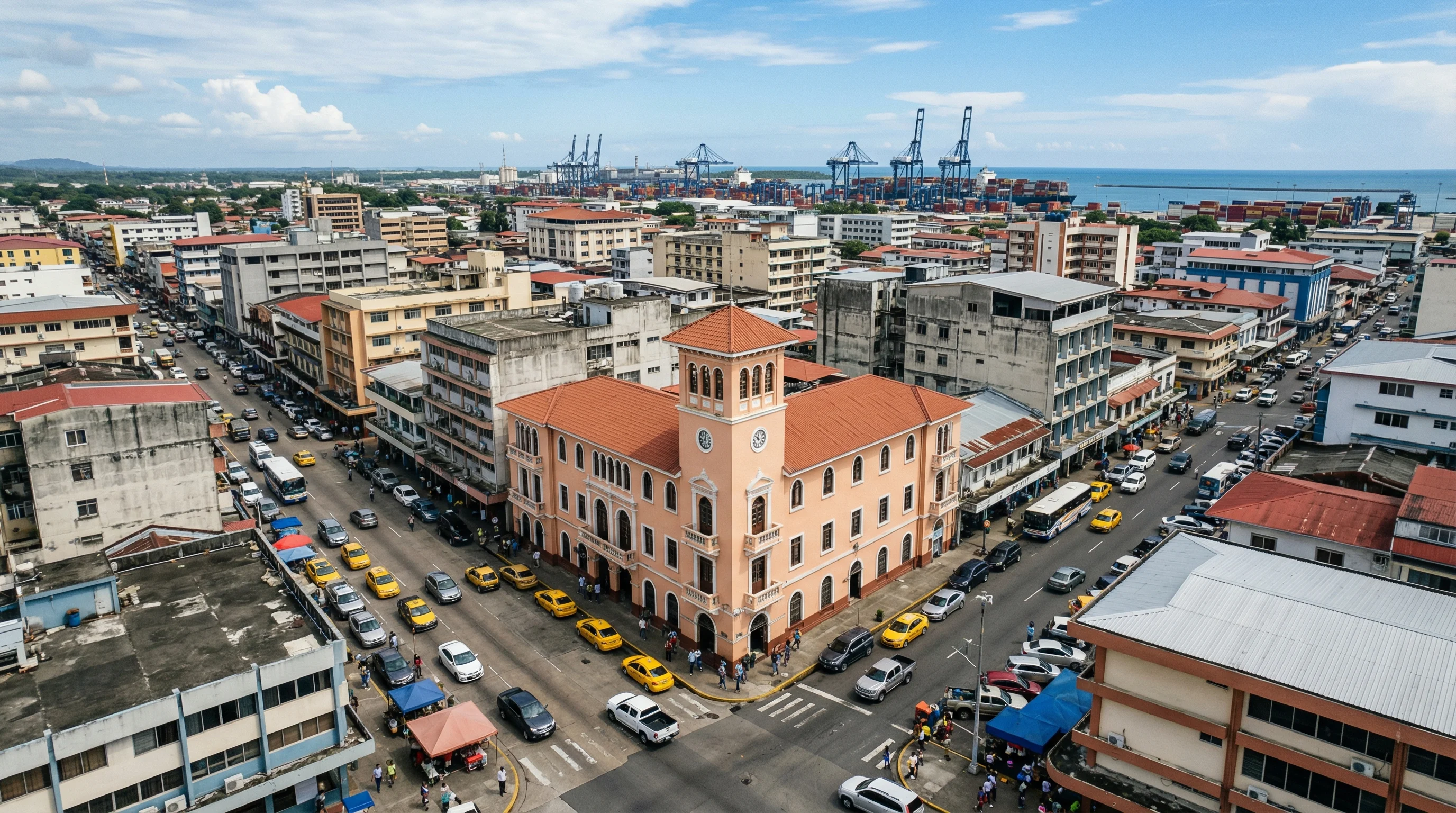
Colón, Panama, stands as a critical logistics and maritime center in Central America, strategically positioned on the Caribbean coast at the Atlantic entrance to the Panama Canal. This location makes Colón one of the most important port cities in the Western Hemisphere, serving as a gateway between Atlantic and Pacific trade routes. The city's port facilities are among the busiest in Latin America, handling millions of tons of cargo annually.
The economic foundation of Colón is built around its role as a global logistics hub, with the Colón Free Trade Zone being the second-largest in the world after Hong Kong. This free zone hosts thousands of companies engaged in manufacturing, warehousing, and distribution activities. The region's economy is also supported by maritime services, logistics operations, and industries related to the Panama Canal Authority. Colón's infrastructure includes modern port facilities, extensive warehousing capabilities, and excellent connectivity to Panama City and the rest of the country via the Trans-Isthmian Highway.










