Colima to Seattle
Seattle → ColimaFTL freight transportation service between Colima and Seattle. Reliable logistics solutions for your business.
Route Description
Everything you need to know about the corridor Colima - Seattle
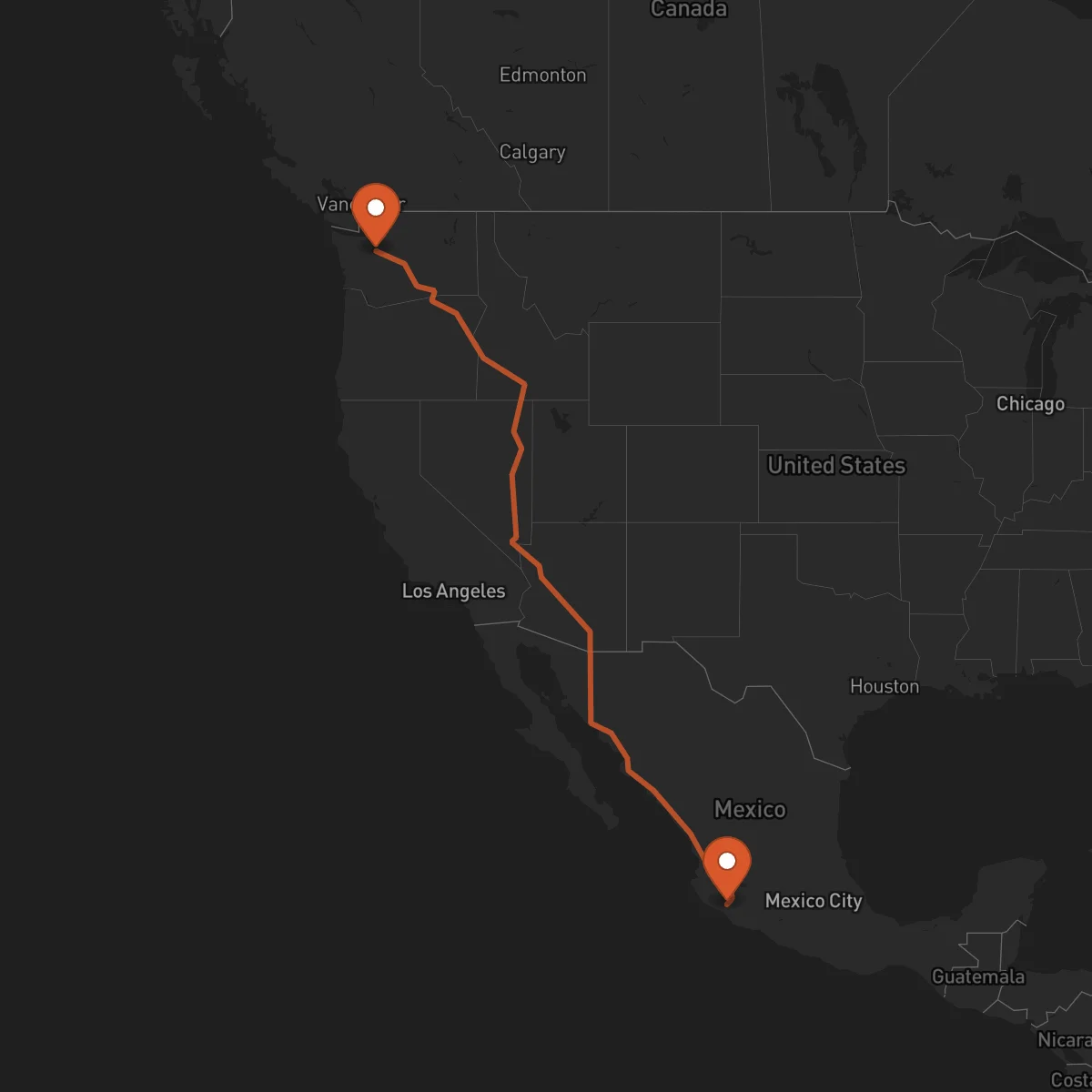
The logistics corridor between Colima, Mexico and Seattle, Washington represents a vital trade link connecting the Pacific coast of Mexico with the northwestern United States. This approximately 3,574 km route traverses diverse landscapes and crosses multiple states, facilitating the movement of goods between two dynamic economic regions. The corridor serves as a crucial artery for cross-border trade, enabling businesses to transport products efficiently between Mexico's industrial centers and the United States' technology and manufacturing hubs.
The economic significance of this corridor is underscored by the complementary industrial strengths of both regions. Colima, with its strategic Pacific port access and growing industrial sector, serves as a gateway for Mexican exports, while Seattle stands as a major logistics hub with its world-class port facilities and proximity to the Canadian border. This corridor supports a wide range of industries, including automotive, electronics, agriculture, and consumer goods, reflecting the diverse economic activities of both regions.
Transportation infrastructure along this route includes major highways such as Mexico's Federal Highway 110 and the United States' Interstate 5, providing reliable and efficient transit options. The corridor benefits from well-established border crossing points, with efficient customs processing facilitated by Control Terrestre's expertise in cross-border logistics. Our team ensures smooth operations through proper documentation, compliance with regulations, and strategic coordination with customs authorities on both sides of the border.
Control Terrestre enhances the efficiency of this corridor through our comprehensive cross-border services, including dedicated FTL transportation, specialized handling of cargo, and real-time tracking capabilities. Our C-TPAT certification and experienced team ensure that shipments move seamlessly through the entire journey, from Colima's industrial parks to Seattle's distribution centers. We understand the unique challenges of this corridor and provide tailored solutions to meet the specific needs of our clients, whether they're shipping time-sensitive electronics or temperature-controlled agricultural products.
Services for this Route
Available services for the corridor Colima - Seattle
 Origin
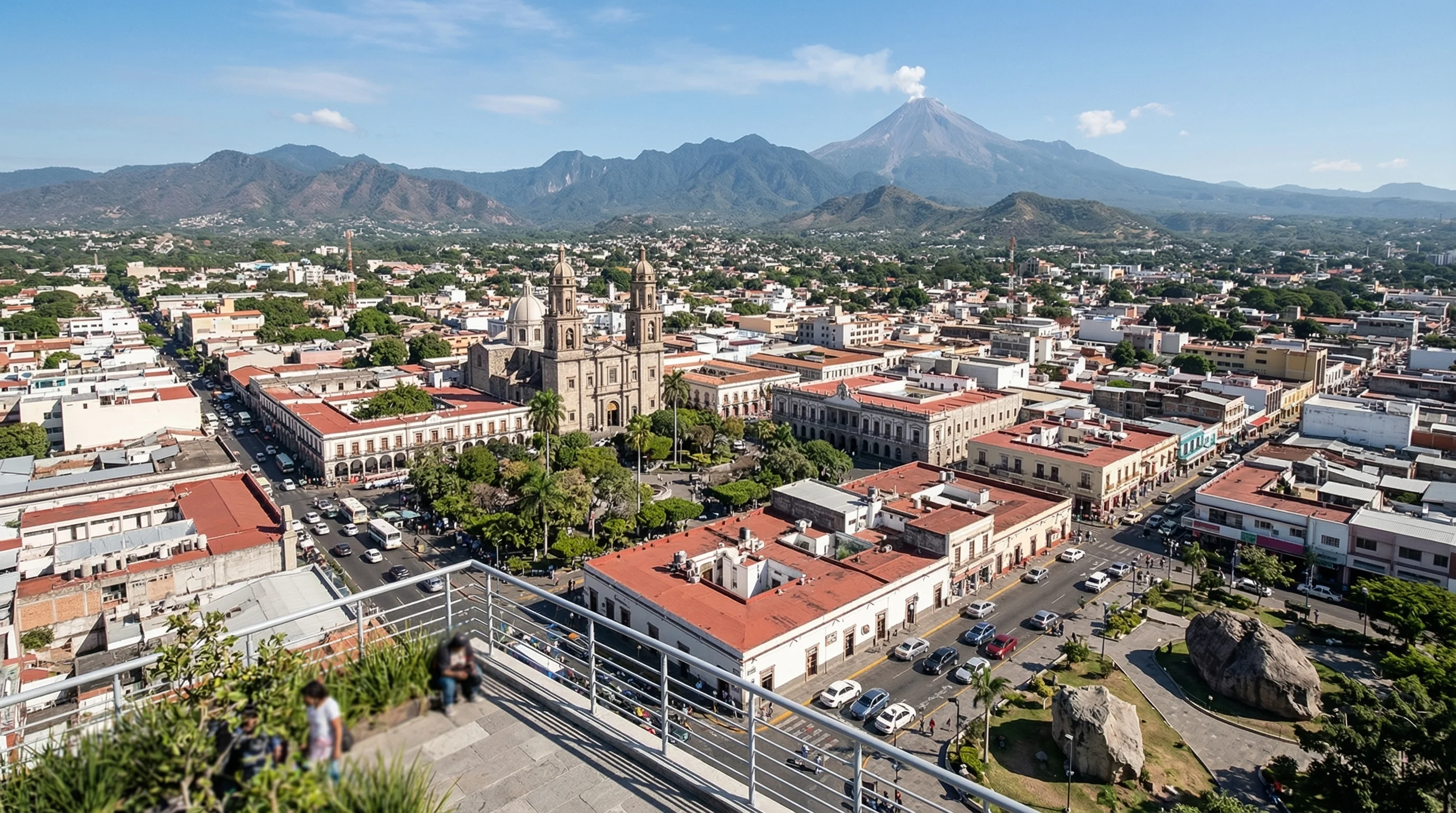
Colima, located on Mexico's Pacific coast, serves as a strategic logistics hub with its proximity to the Manzanillo port, one of Mexico's busiest cargo ports. The state's industrial parks and manufacturing facilities make it an ideal origin point for cross-border shipments to the United States. Colima's infrastructure includes modern highways connecting to major transportation networks, facilitating efficient movement of goods to northern destinations. The region's economic activities span various sectors, including agriculture, fishing, and manufacturing, with a growing focus on automotive and electronics industries. Colima's strategic location provides excellent access to both Pacific shipping routes and overland transportation corridors to the United States.
 Destination
Seattle
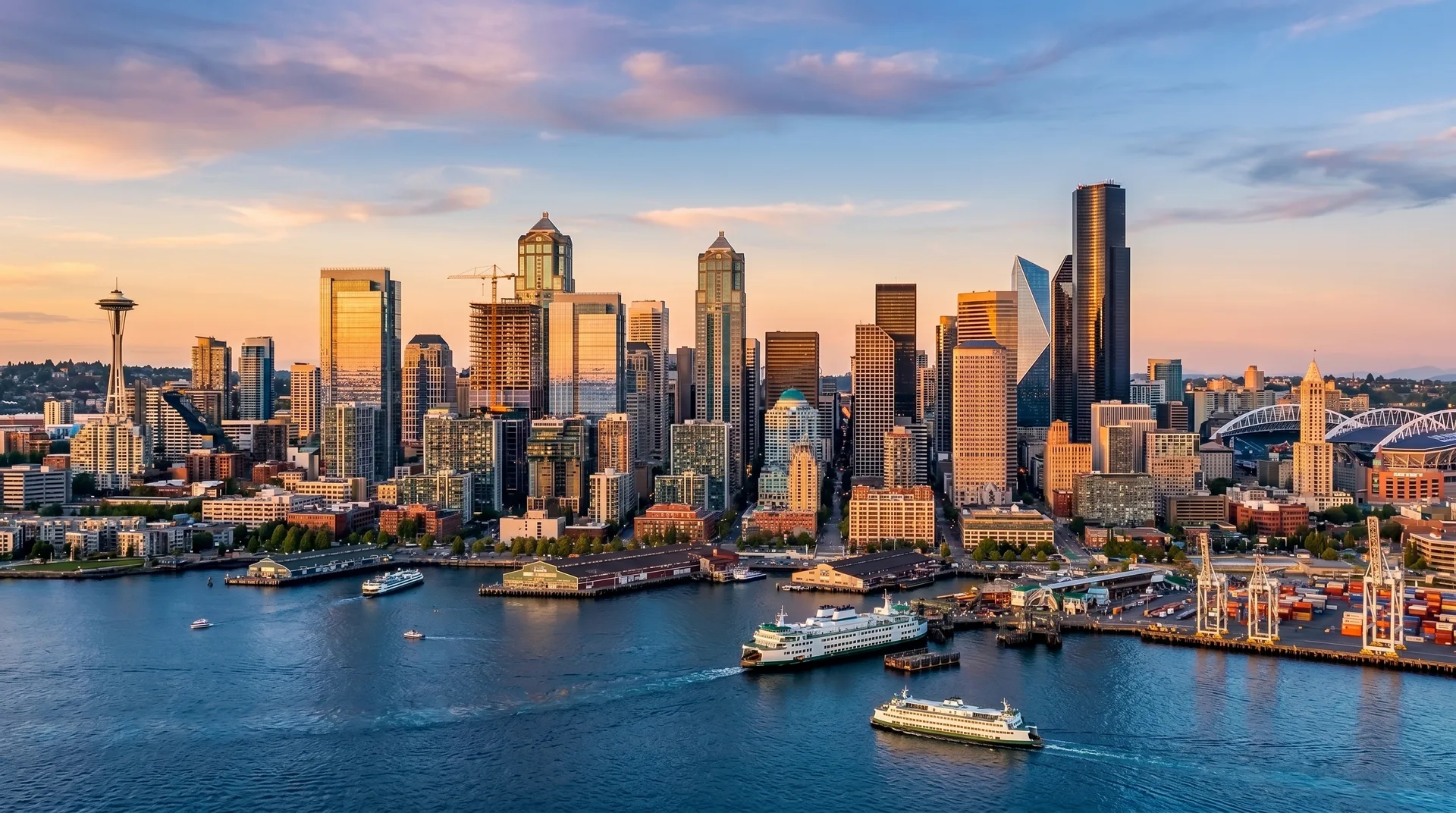
Seattle, Washington stands as a major logistics and economic center in the Pacific Northwest, with its world-class port facilities serving as a gateway to Asian markets and beyond. The city's strategic location provides excellent access to the broader U.S. market and Canadian trade routes via its proximity to the border. Seattle's robust transportation infrastructure includes major highways, rail connections, and air cargo facilities, making it an ideal destination for cross-border freight. The region's economy is driven by technology, aerospace, maritime industries, and advanced manufacturing, creating diverse opportunities for freight transportation. Seattle's position as a logistics hub is further enhanced by its well-developed distribution networks and proximity to major consumer markets in the western United States.










