Colima to La Palma
La Palma → ColimaFTL freight transportation service between Colima and La Palma. Reliable logistics solutions for your business.
Route Description
Everything you need to know about the corridor Colima - La Palma
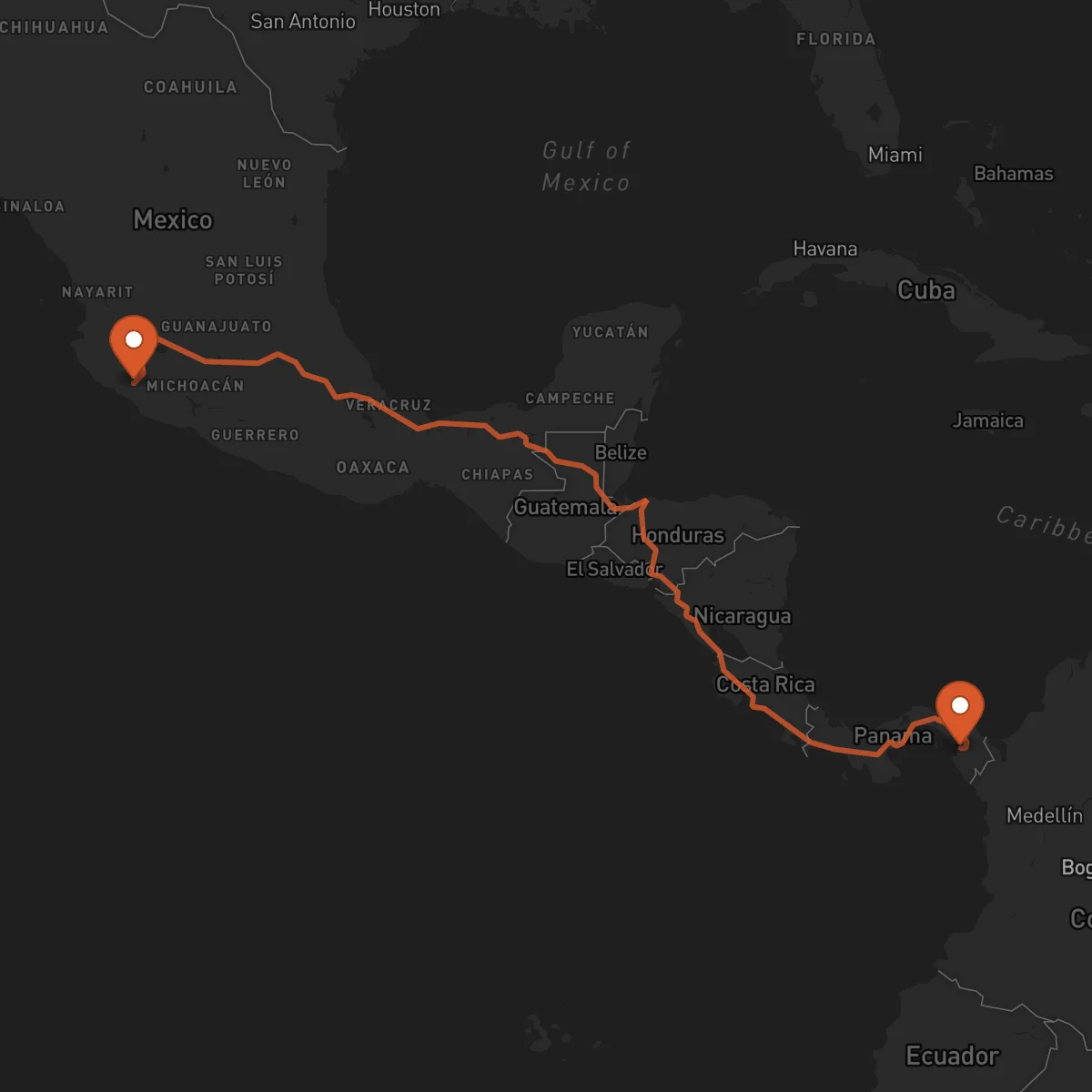
The logistics corridor connecting Colima, Mexico, to La Palma, Panama, represents a critical overland artery for trade between Northwestern Mexico and the strategic markets of Central America. Spanning approximately 3,010 kilometers, this cross-border route traverses the entire length of Central America, serving as a vital link for supply chains that require reliable, door-to-door connectivity beyond the traditional North American trade lanes. Its strategic importance is underscored by the need to move goods efficiently from Mexico's Pacific coast manufacturing and agricultural zones into the heart of the Central American isthmus, facilitating regional economic integration and access to both Atlantic and Pacific distribution networks via Panama.
Economically, this corridor supports the flow of a diverse range of products, from manufactured goods and agricultural commodities to specialized cargo. The industrial context is defined by Mexico's strong export-oriented manufacturing sector, particularly in the Colima region, and Panama's role as a major logistics and services hub due to the Panama Canal. Key industries leveraging this route include agriculture (bananas, coffee, produce), food and beverage manufacturing, industrial components, and construction materials. The corridor enables businesses to bypass more congested maritime routes for time-sensitive or high-value land-based shipments across the continent.
Transportation infrastructure primarily follows the Mexican Federal Highway 200 along the Pacific coast, transitioning to the Pan-American Highway (CA-1) through Guatemala, El Salvador, Honduras, Nicaragua, Costa Rica, and finally into Panama. This backbone, while extensive, requires careful navigation of varying road conditions and multiple sovereign borders. Relevant border crossings include the Mexico-Guatemala frontier (e.g., Ciudad Hidalgo/Tecún Umán), with subsequent transit through all Central American countries. Each crossing involves distinct customs procedures and regulatory requirements, making coordinated documentation and compliance expertise essential for seamless movement.
At Control Terrestre, we facilitate operations on this complex corridor through our robust alliance of strategically positioned transportation providers. Our network is built on partners who hold essential certifications for cross-border efficiency, such as C-TPAT and FAST for U.S.-related segments, and local expertise for Central American transit. We exclusively provide Full Truckload (FTL) solutions, including dedicated, expedited, and specialized cargo services (like refrigerated or oversized), ensuring a single point of accountability for your entire journey from a facility in Colima to a destination in La Palma. Our approach is to manage the entire logistics chain, offering the human touch and green focus necessary to navigate the corridor's challenges while you optimize your supply chain for the region.
Services for this Route
Available services for the corridor Colima - La Palma
 Origin
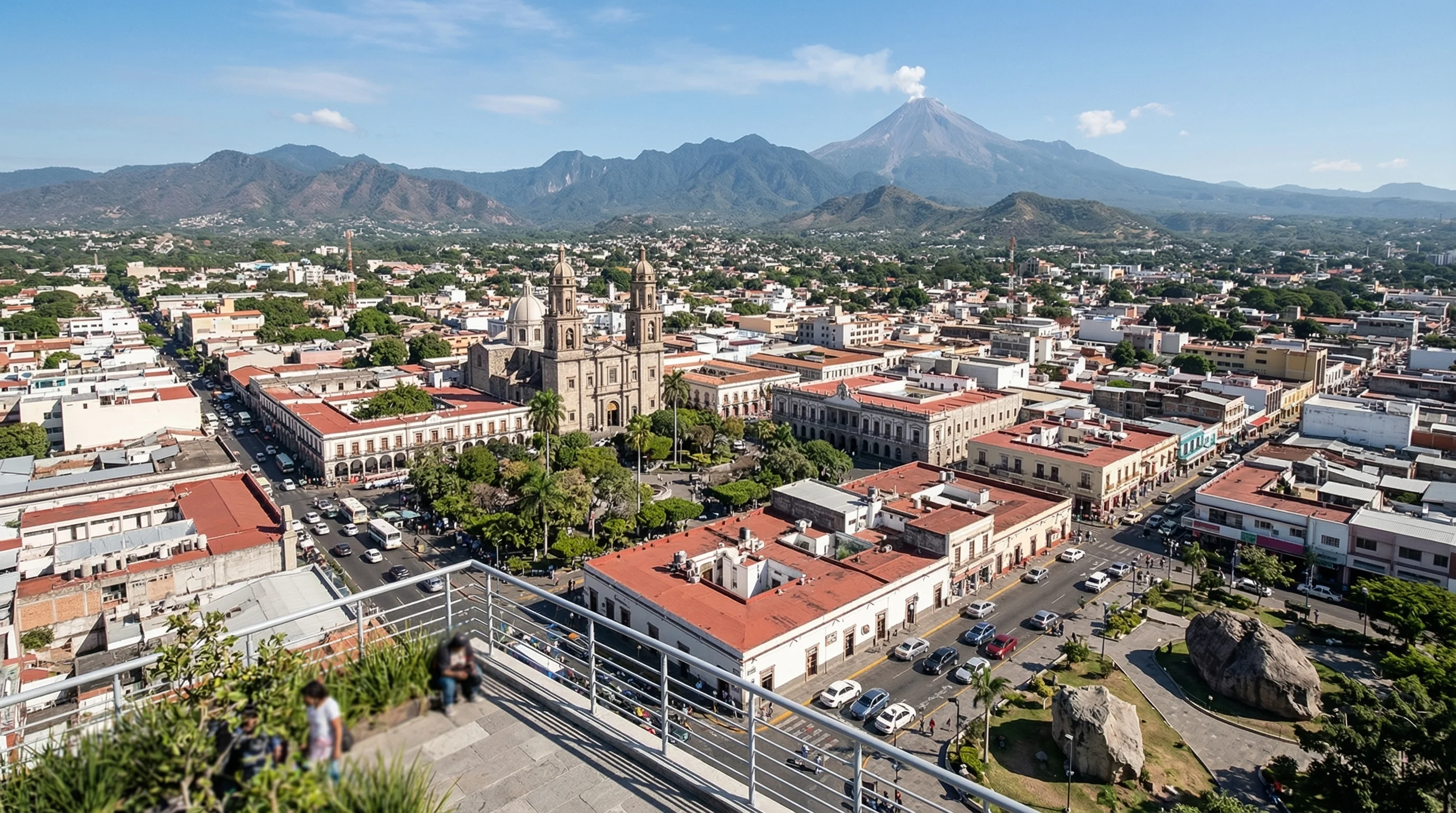
Colima, located on Mexico's Pacific coast, is a strategically significant state for logistics, primarily due to its major port of Manzanillo. This port is one of Mexico's busiest and most modern, handling a substantial volume of containerized and bulk cargo, making it a pivotal gateway for international trade. The state's location provides direct access to the Federal Highway 200 corridor, which runs north-south along the coast and connects efficiently to Mexico's interior manufacturing hubs and the border with the United States. For northbound freight, this offers a streamlined path, while for southbound Central American traffic, it serves as the primary launching point onto the Pan-American Highway.
The economic engine of Colima is driven by a mix of agriculture, tourism, and a growing industrial sector. Key agricultural exports include bananas, limes, coconuts, and coffee, which are major candidates for FTL transport to Central American markets. The industrial sector features food processing plants, beverage manufacturers, and logistics/warehousing businesses that support the port's activity. This creates consistent demand for reliable freight transportation both within Mexico and for onward international connections.
Available transportation infrastructure is robust for the region. The Port of Manzanillo provides deep-water facilities and extensive container yards. The state is well-served by paved, major highways, most notably Fed. 200, which connects Colima City and Manzanillo to the rest of Mexico's highway network. This infrastructure supports the movement of all standard equipment types, including dry vans, reefers, and flatbeds, from manufacturing plants and agricultural centers to the border and beyond. Control Terrestre leverages this infrastructure to initiate efficient FTL shipments from any point in Colima state onto the international corridor.
 Destination
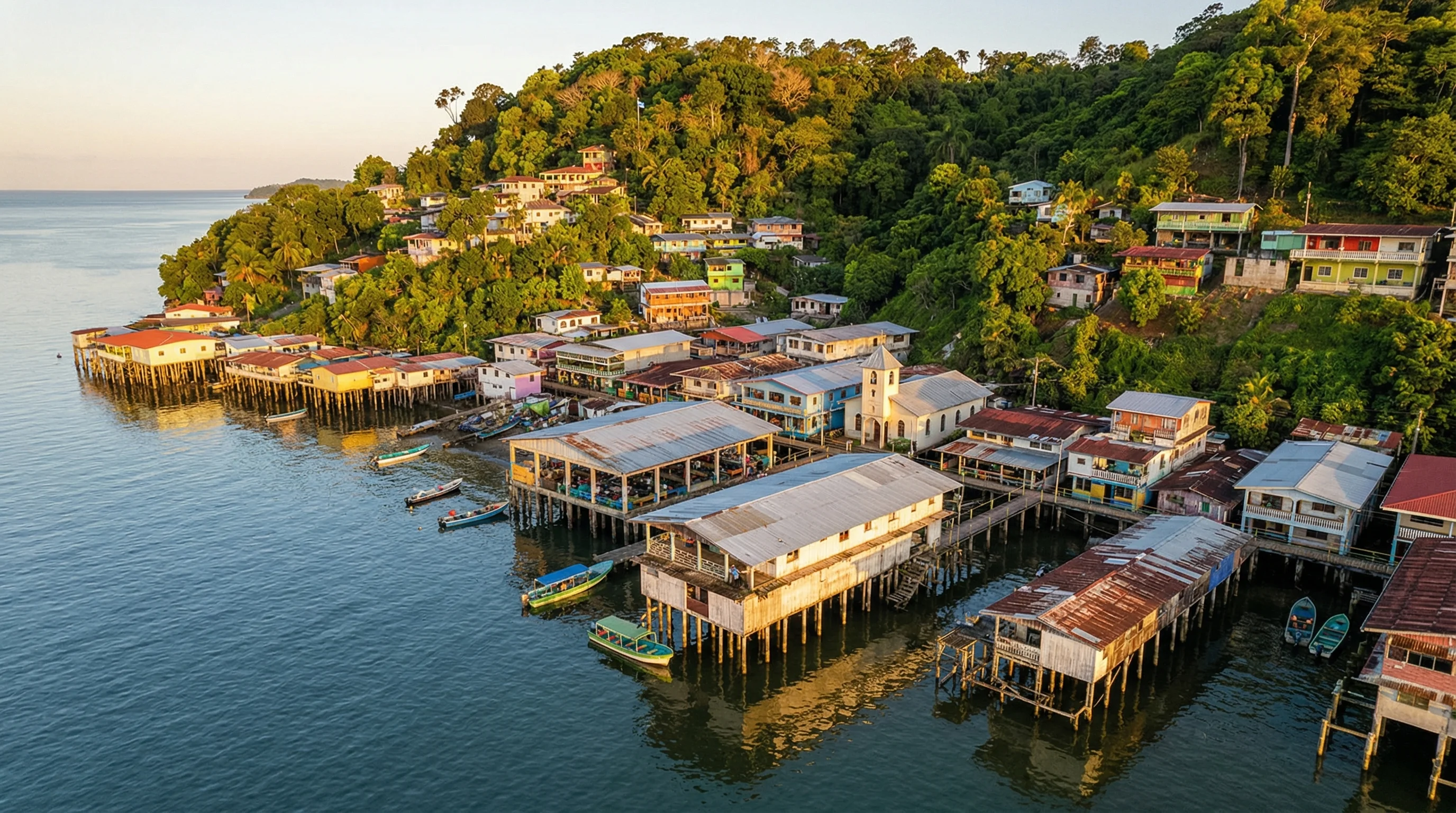
La Palma is a key logistics and commercial center located in the Darién Province of Panama, positioned near the Panamanian-Costa Rican border. Its strategic location for logistics stems from its position as one of the final major population and commercial hubs before the Darién Gap, the formidable break in the Pan-American Highway. For overland freight, La Palma serves as a critical consolidation and distribution point for goods entering or leaving Panama from Central America. Furthermore, its proximity to Panama's broader infrastructure—including the Panama Canal, major ports like Balboa and Manzanillo (International), and the capital, Panama City—makes it an essential node for cargo destined for global transshipment or local consumption.
The local and regional economy is supported by agriculture (particularly banana plantations and other tropical fruits), cattle ranching, and commerce. It acts as a service center for the surrounding agricultural region, meaning a significant portion of freight moving through La Palma consists of agricultural inputs and exports. The town also handles general manufactured goods, construction materials, and consumer products that flow between Central America and Panama's more urbanized centers.
Transportation infrastructure in La Palma is defined by its role as a terminus on the Pan-American Highway (CA-1). The highway provides the paved road connection north to Costa Rica and south to Panama City. While infrastructure is functional for regional trucking, it can be subject to weather-related disruptions, especially in the Darién region. The town itself has warehousing and trucking services to support cross-border logistics. Control Terrestre utilizes this highway endpoint to deliver FTL shipments directly to warehouses, distribution centers, or agricultural facilities in and around La Palma, ensuring cargo reaches its final destination in this pivotal border region of Panama.










