Mexico City to Miami
Miami → Mexico CityFTL freight transportation service between Mexico City and Miami. Reliable logistics solutions for your business.
Route Description
Everything you need to know about the corridor Mexico City - Miami
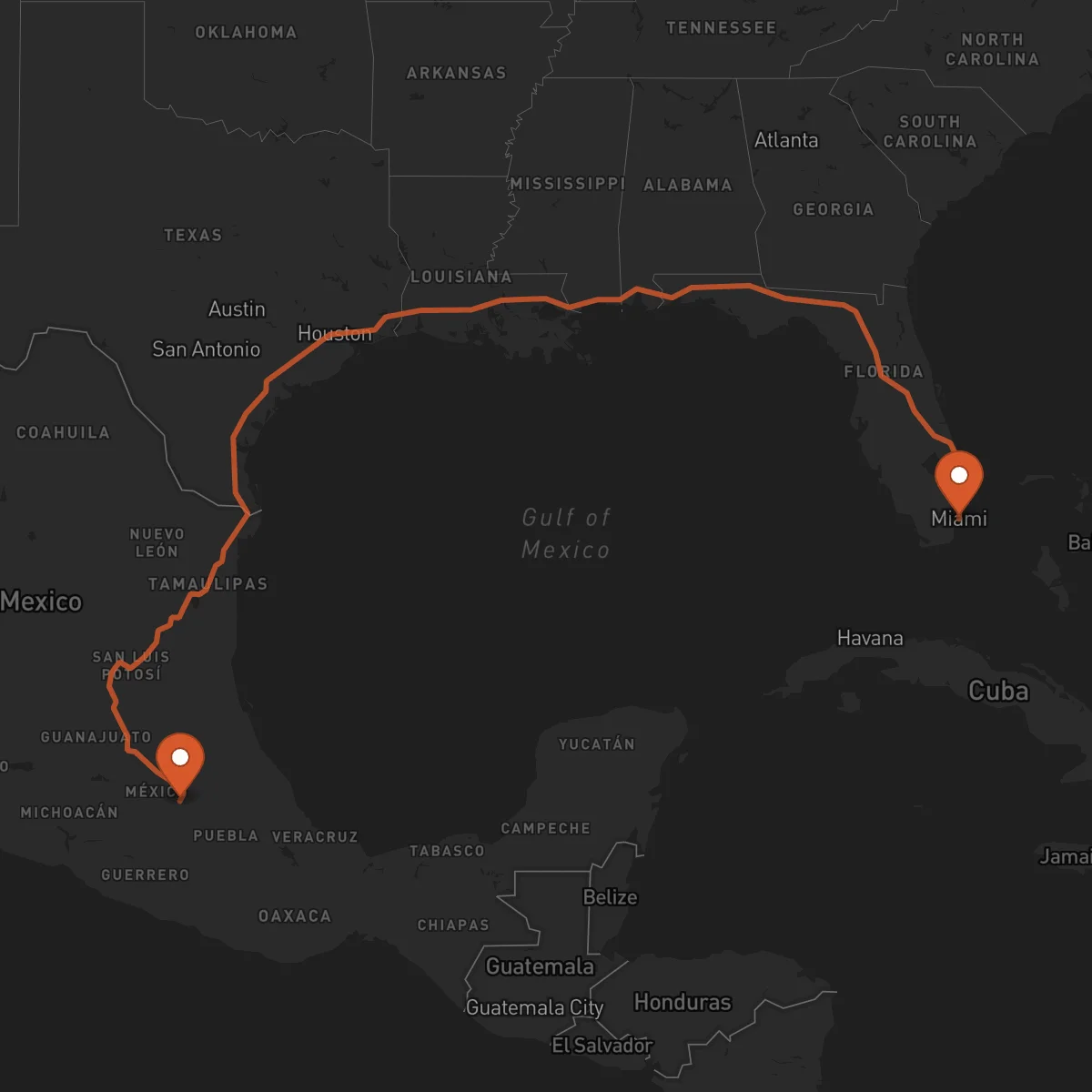
The logistics corridor connecting Mexico City to Miami represents a vital trade route linking the economic heart of Mexico with one of the most important logistics hubs in the United States. This cross-border corridor spans approximately 2,065 kilometers and facilitates the movement of goods between two major commercial centers. Mexico City, as the capital and largest city of Mexico, serves as a strategic point for manufacturing, distribution, and international trade, while Miami functions as the gateway to Latin America and a critical logistics node for North American commerce.
The corridor supports a diverse range of industries, with automotive components, electronics, medical devices, and agricultural products being among the most frequently transported goods. Mexico City's industrial parks and manufacturing zones generate substantial freight volume destined for international markets, while Miami's position as a major port city and logistics hub makes it an ideal destination for both domestic distribution and transshipment to other markets. The route passes through key states including Puebla, Veracruz, and Tamaulipas before crossing into the United States through Laredo or McAllen, then traversing Texas, Louisiana, Mississippi, Alabama, and finally Florida.
Transportation infrastructure along this corridor includes major highways such as Mexico's Federal Highway 150D and 180D, connecting to U.S. Interstate 35 and I-10. The route benefits from well-developed road networks on both sides of the border, though cross-border operations require careful coordination of customs procedures and documentation. Control Terrestre facilitates seamless operations on this corridor by providing dedicated full truckload (FTL) services, ensuring compliance with all regulatory requirements, and offering specialized solutions for time-sensitive and high-value cargo. Our strategic partnerships with certified carriers and our expertise in cross-border logistics enable us to optimize transit times and provide reliable transportation solutions between Mexico City and Miami.
Services for this Route
Available services for the corridor Mexico City - Miami
 Origin
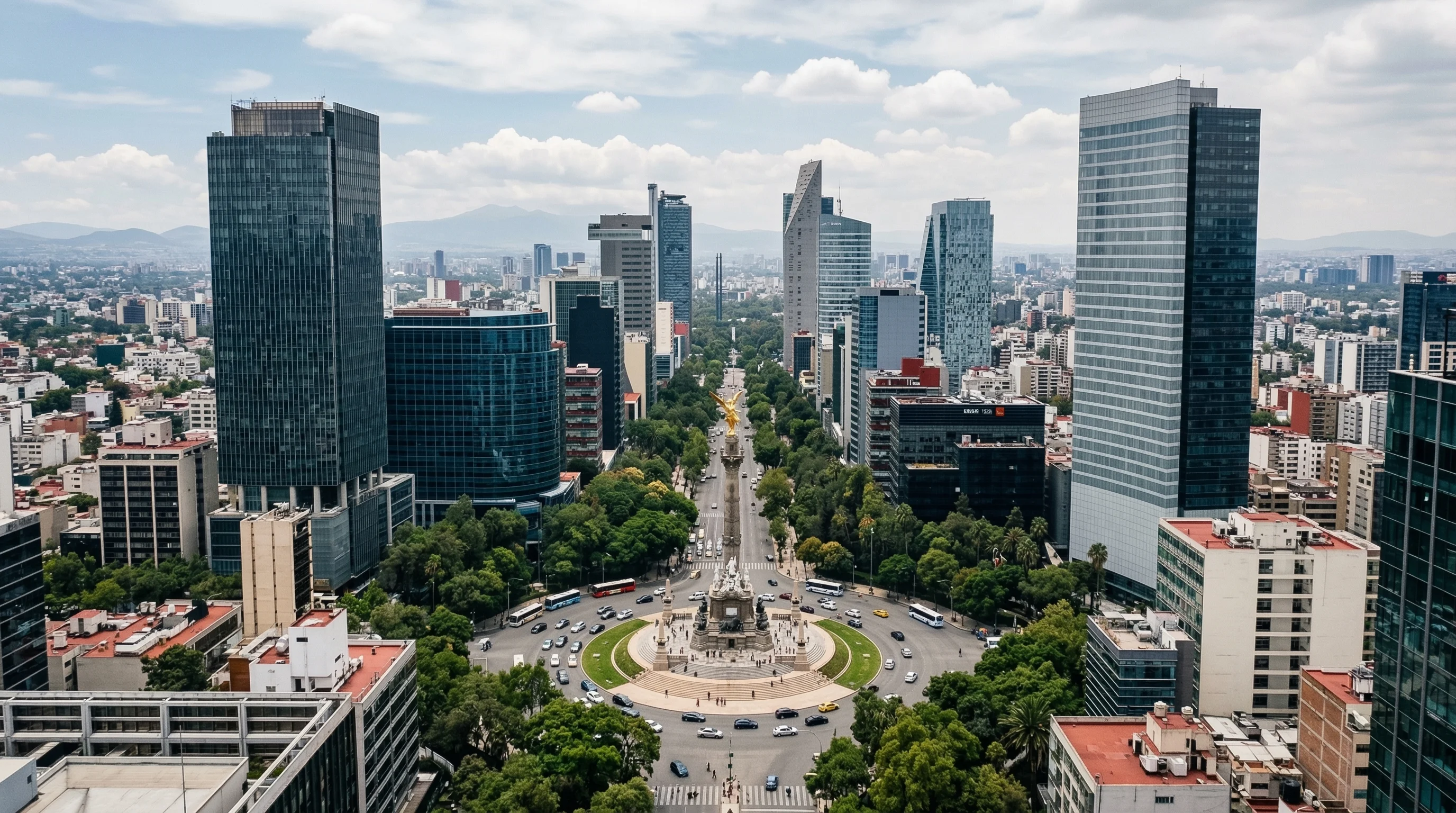
Mexico City
Mexico City stands as the most important logistics center in Mexico, offering unparalleled connectivity and infrastructure for freight transportation. As the country's capital and largest metropolitan area, it hosts numerous industrial parks, manufacturing facilities, and distribution centers that generate significant freight volume. The city's strategic location in the center of the country provides access to major transportation routes connecting to both the Atlantic and Pacific coasts. Mexico City's Benito Juárez International Airport and the newer Felipe Ángeles International Airport support air cargo operations, while extensive highway networks facilitate ground transportation. The region's economic diversity, encompassing automotive, aerospace, electronics, pharmaceutical, and food processing industries, creates consistent demand for reliable freight services to international destinations like Miami.
 Destination
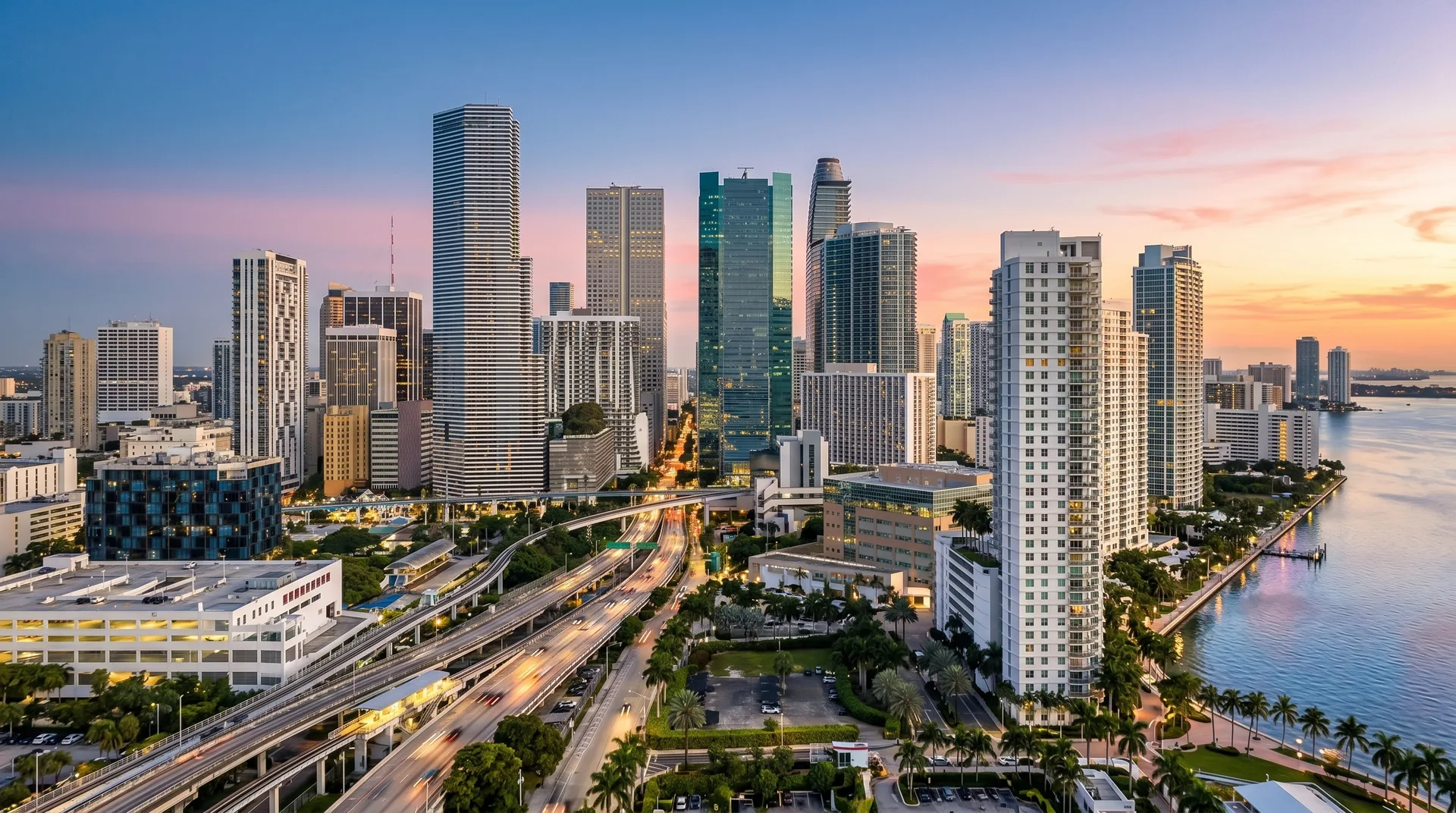
Miami
Miami serves as one of the most strategic logistics hubs in the United States, particularly for trade with Latin America and the Caribbean. The city's location on Florida's southeastern coast provides direct access to major shipping lanes and positions it as a gateway for international commerce. Miami International Airport is one of the busiest cargo airports in the country, handling a vast volume of international freight, while the Port of Miami ranks among the top container ports in the nation. The region's infrastructure includes extensive highway networks, warehousing facilities, and distribution centers that support efficient cargo movement. Miami's economy is driven by international trade, tourism, and logistics services, with strong connections to manufacturing centers in Mexico and other Latin American countries, making it an ideal destination for cross-border freight operations.










