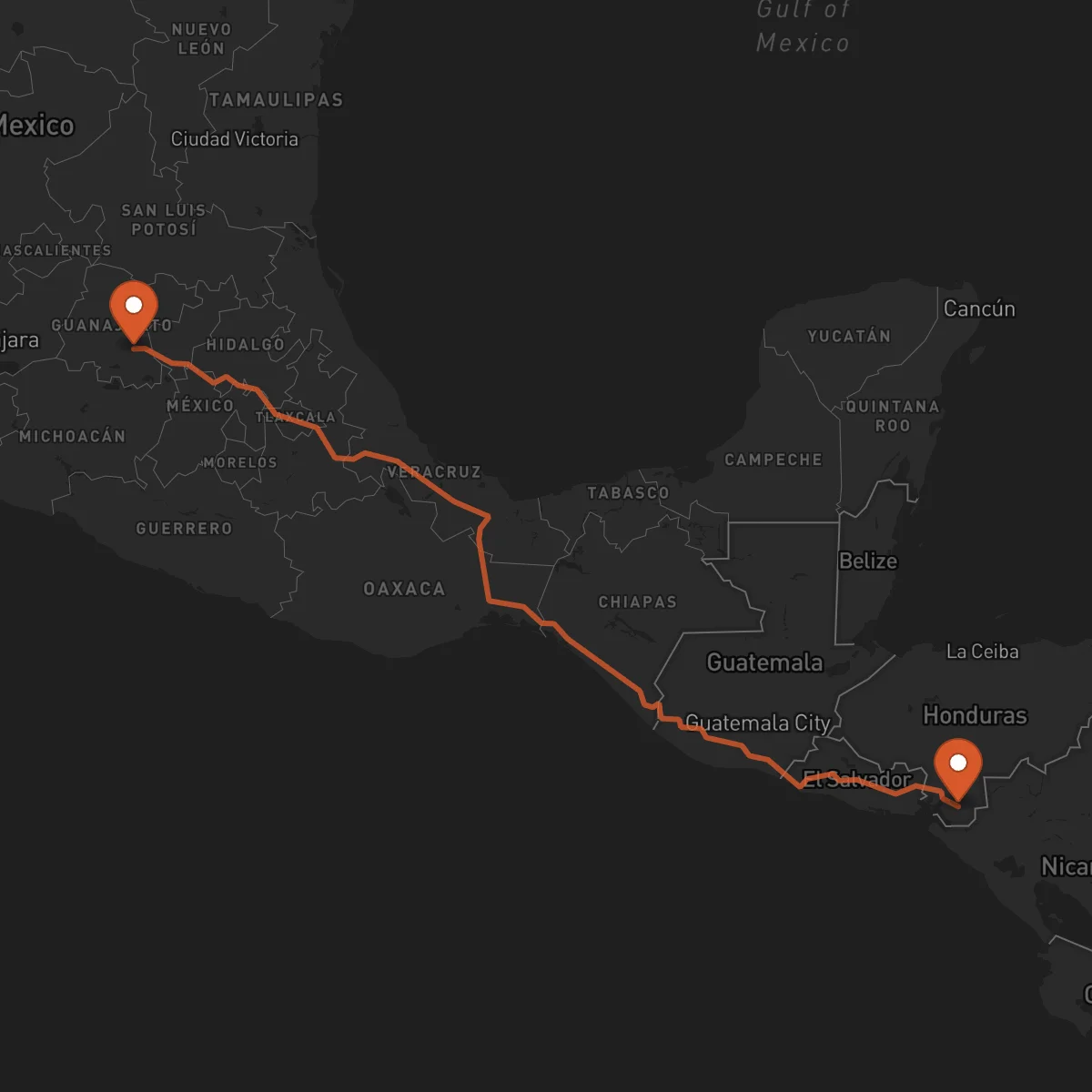
Choluteca to Celaya
Celaya → CholutecaFTL freight transportation service between Choluteca and Celaya. Reliable logistics solutions for your business.
Route Description
Everything you need to know about the corridor Choluteca - Celaya
The Choluteca-Celaya corridor represents a critical north-south logistics artery connecting southern Central America with Mexico's industrial heartland. Strategically, it bridges the Pacific access points of Honduras with the manufacturing hubs of Mexico's Bajío region, facilitating the flow of goods across borders and supporting integrated supply chains. Economically, this route serves vibrant agricultural regions in Honduras and the dense industrial corridors of central Mexico, enabling efficient movement of raw materials inbound to Mexico and finished goods southbound. Key industries leveraging this corridor include agriculture (coffee, shrimp, tropical fruits), automotive manufacturing, food and beverage processing, and consumer goods distribution.
Transportation infrastructure relies primarily on the CA-1 highway in Honduras, transitioning through Guatemala via routes like CA-9, then entering Mexico through major border crossings such as Tecún Umán/Ciudad Hidalgo. Within Mexico, the corridor predominantly utilizes Mexican Federal Highway 85 and connecting routes like Highway 90 to reach Celaya. Border crossings require meticulous customs coordination, where certifications like C-TPAT, FAST, and BASC significantly streamline processes for compliant carriers.
Control Terrestre facilitates seamless operations on this corridor through our exclusive focus on Full Truckload (FTL) solutions and our strategic alliance network. We provide dedicated, expedited, and specialized cargo handling—including refrigerated and oversized loads—tailored to the corridor's demands. Our providers' certifications (C-TPAT, FAST, BASC, etc.) ensure efficient cross-border clearance, while our equipment fleet (53' dry vans, reefers, flatbeds) matches the diverse cargo needs from Honduran ports to Celaya's factories. We manage the entire door-to-door journey, offering a single point of contact for complex international freight, reducing delays and enhancing supply chain visibility for our clients.
By optimizing this 1,655 km route, we help businesses capitalize on the economic synergy between Central American production and Mexican manufacturing, turning a long-distance haul into a reliable, value-driven link in their supply chain.
Services for this Route
Available services for the corridor Choluteca - Celaya
 Origin
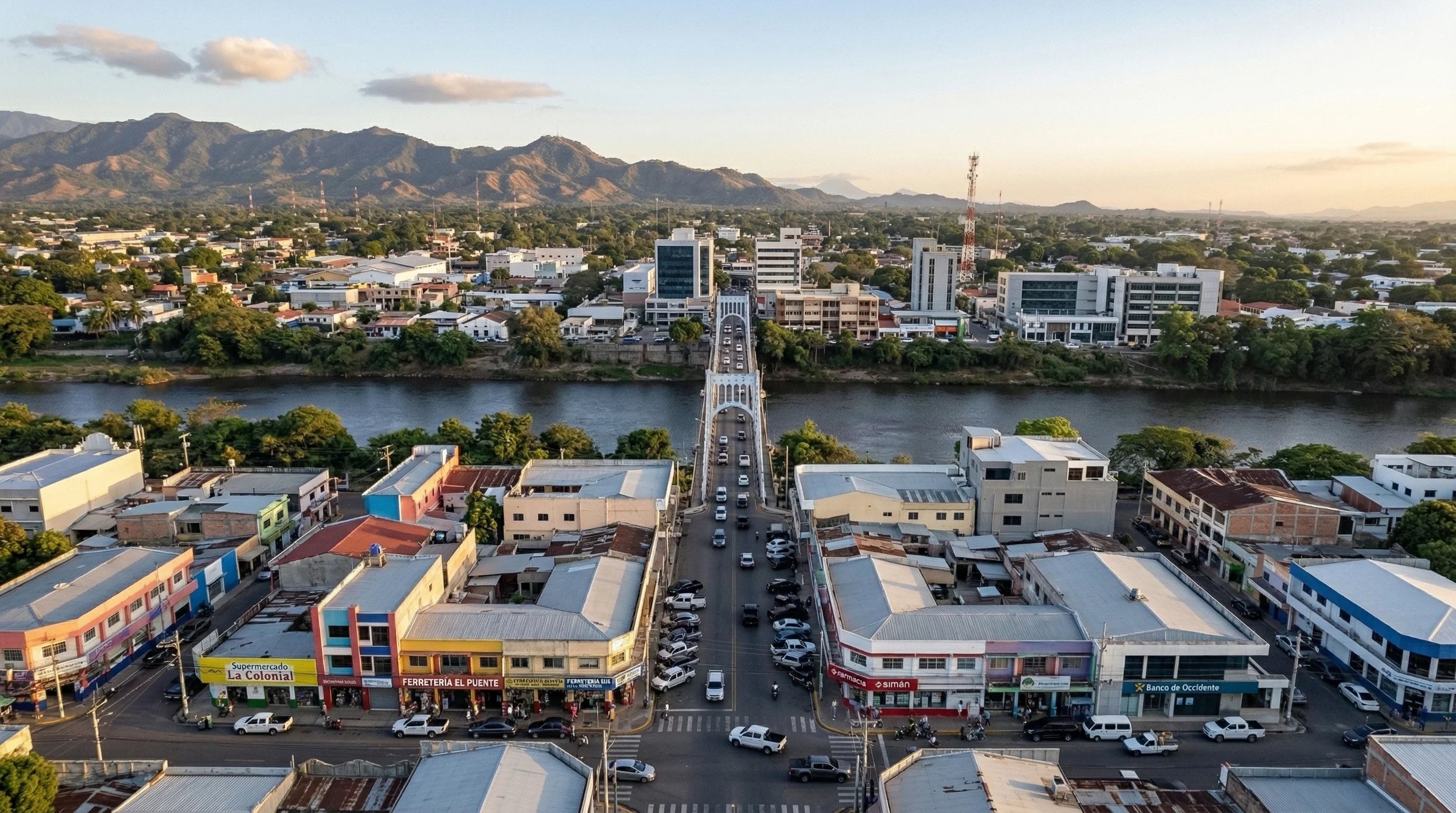
Choluteca, located in southern Honduras near the Pacific coast, serves as a pivotal logistics gateway for Central American exports. Its strategic position provides direct access to the Port of San Lorenzo and connectivity via the CA-1 highway, which runs north-south through Honduras and links to major ports like Puerto Cortés. The region's economy is heavily driven by agriculture and aquaculture, with significant production of shrimp, coffee, palm oil, and tropical fruits. These sectors generate substantial outbound freight requiring efficient transportation to international markets. The existing road infrastructure, centered on the CA-1, supports the movement of goods to and from the interior and neighboring countries, making Choluteca a key consolidation point for cross-border shipments heading toward Mexico and beyond.
 Destination
Celaya
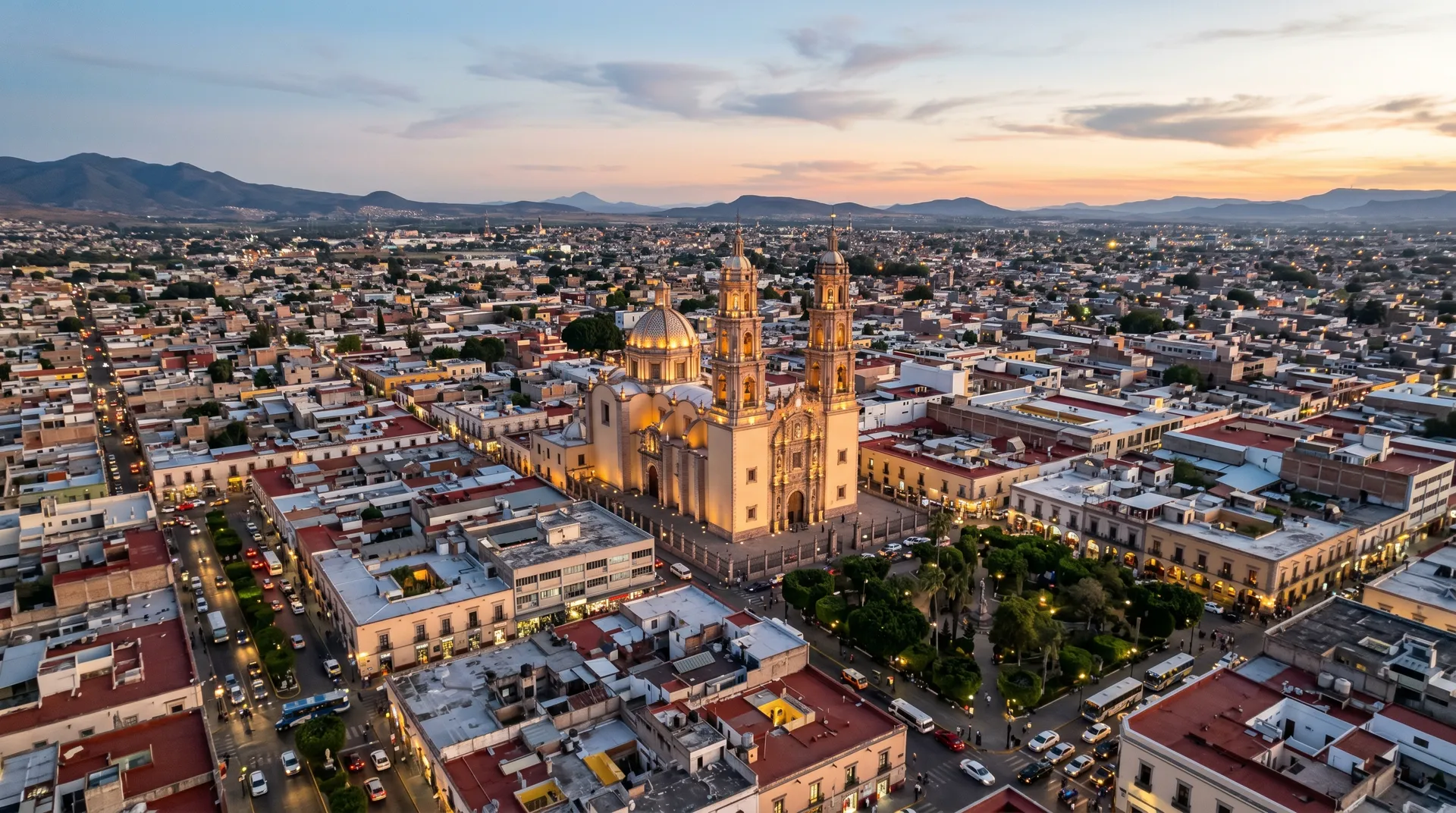
Celaya, situated in the state of Guanajuato within Mexico's thriving Bajío region, is a major industrial and distribution hub. Its strategic location offers excellent connectivity to Mexico's primary manufacturing centers, including Querétaro, León, and Mexico City, via key federal highways such as Highway 90 and the toll road 45D. The city's economy is anchored by robust automotive and food processing industries, hosting suppliers for global automakers and producing a wide array of canned goods, dairy products, and other consumables. This industrial activity generates high volumes of inbound raw materials and outbound finished goods. Celaya's infrastructure includes well-developed highway networks, rail access, and proximity to multiple industrial parks, making it an optimal endpoint for full truckload freight serving central Mexico's dynamic market.










