Chitré to Salamá
Salamá → ChitréFTL freight transportation service between Chitré and Salamá. Reliable logistics solutions for your business.
Route Description
Everything you need to know about the corridor Chitré - Salamá
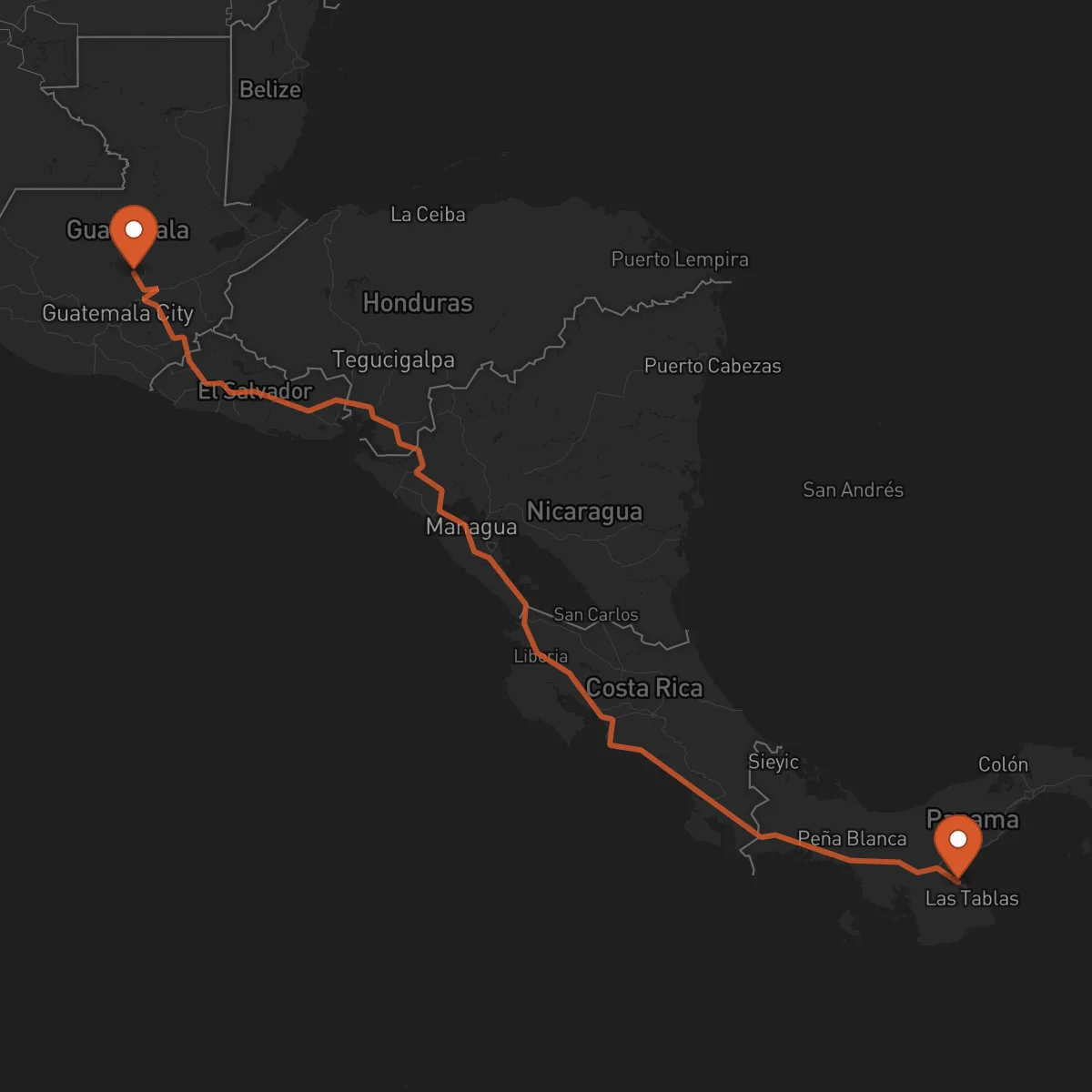
The logistics corridor connecting Chitré, Herrera, Panamá, to Salamá, Baja Verapaz, Guatemala, represents a vital cross-border artery spanning approximately 1338 km. This route serves as a crucial bridge linking the agricultural and commercial heart of Panama’s central provinces with the highlands of central Guatemala, facilitating the seamless movement of goods between Central American markets. Its strategic importance lies in connecting two significant economic zones, fostering trade and supply chain integration across the isthmus.
The economic context is driven by the fertile agricultural regions of both countries, with the corridor supporting the transport of goods for key industries such as agribusiness, food processing, and light manufacturing. The primary transportation infrastructure relies on a network of national highways that connect to the Pan-American Highway, ensuring robust terrestrial connectivity. Key border crossings along this route require careful attention to customs procedures, documentation, and compliance, which vary between Panama and Guatemala.
Control Terrestre leverages its exclusive FTL services to facilitate operations on this corridor, utilizing our certified providers who adhere to standards like C-TPAT and Responsible Care. We manage the complexities of cross-border freight with specialized equipment, including dry vans and refrigerated units, to handle diverse cargo requirements. Our focus on hazardous materials and oversized transport capabilities ensures that shipments move efficiently and safely through this strategic link, offering a reliable connection for businesses across North and Central America.
Services for this Route
Available services for the corridor Chitré - Salamá
 Origin
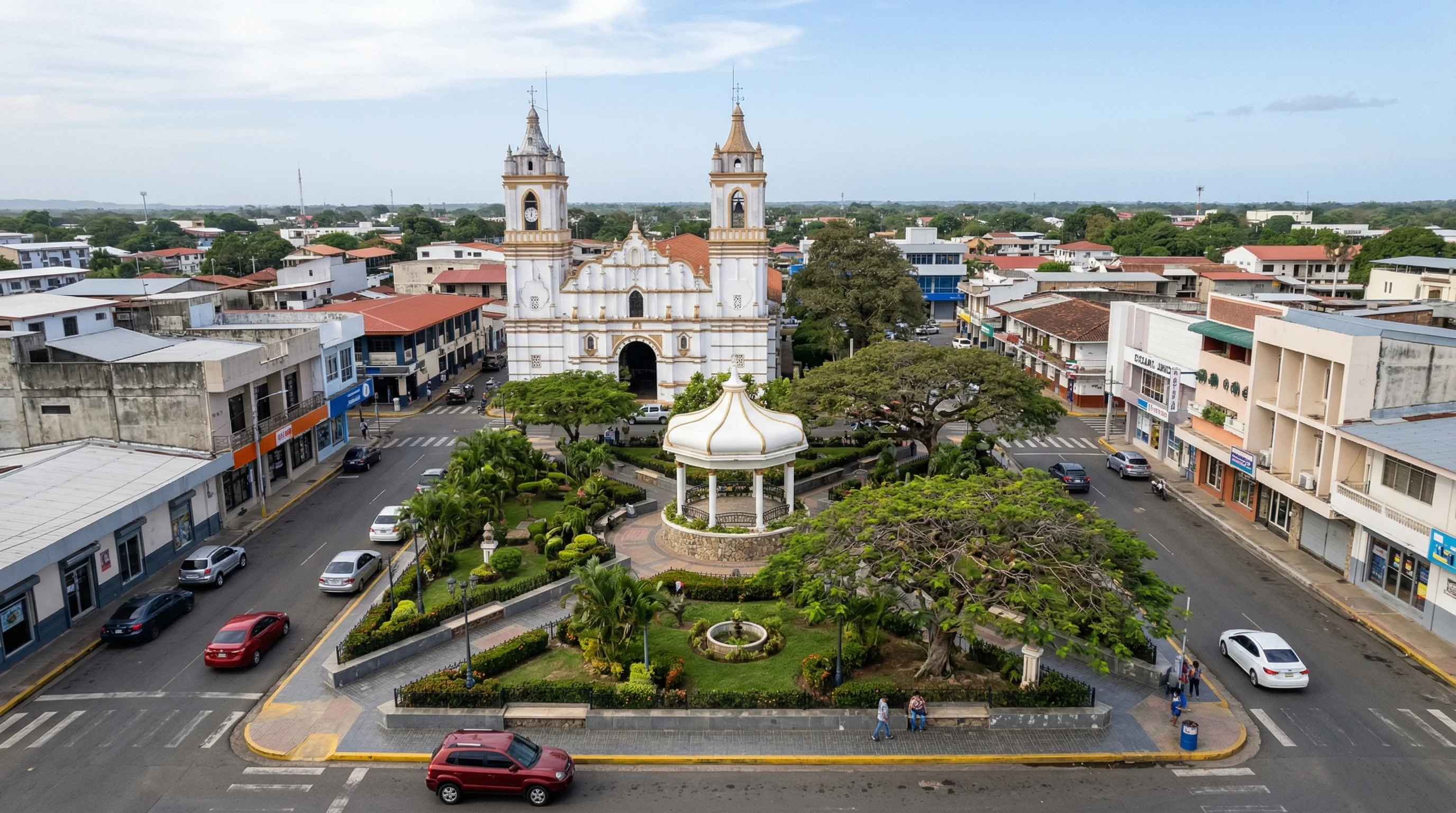
Chitré, located in the province of Herrera, Panama, holds a strategic position as a logistical hub within the central agricultural region. Its proximity to the Pan-American Highway and major ports provides excellent connectivity for distributing goods throughout the isthmus. The local economy is strongly driven by agriculture, including the production of staple crops, fresh produce, and livestock, creating a consistent demand for robust transportation solutions. The available infrastructure in Chitré supports efficient ground transportation, allowing for the smooth consolidation of full truckload shipments destined for international markets.
The region’s status as a commercial center for agribusiness and related sectors makes it an ideal point of origin for FTL transport. Control Terrestre’s network of experienced providers, equipped with container chassis and specialized vehicles, ensures that cargo can be efficiently loaded and dispatched. Our commitment to clean transportation and responsible practices aligns with the operational needs of industries based in Chitré, offering reliable and professional services for outbound freight heading toward Central American destinations.
 Destination
Salamá
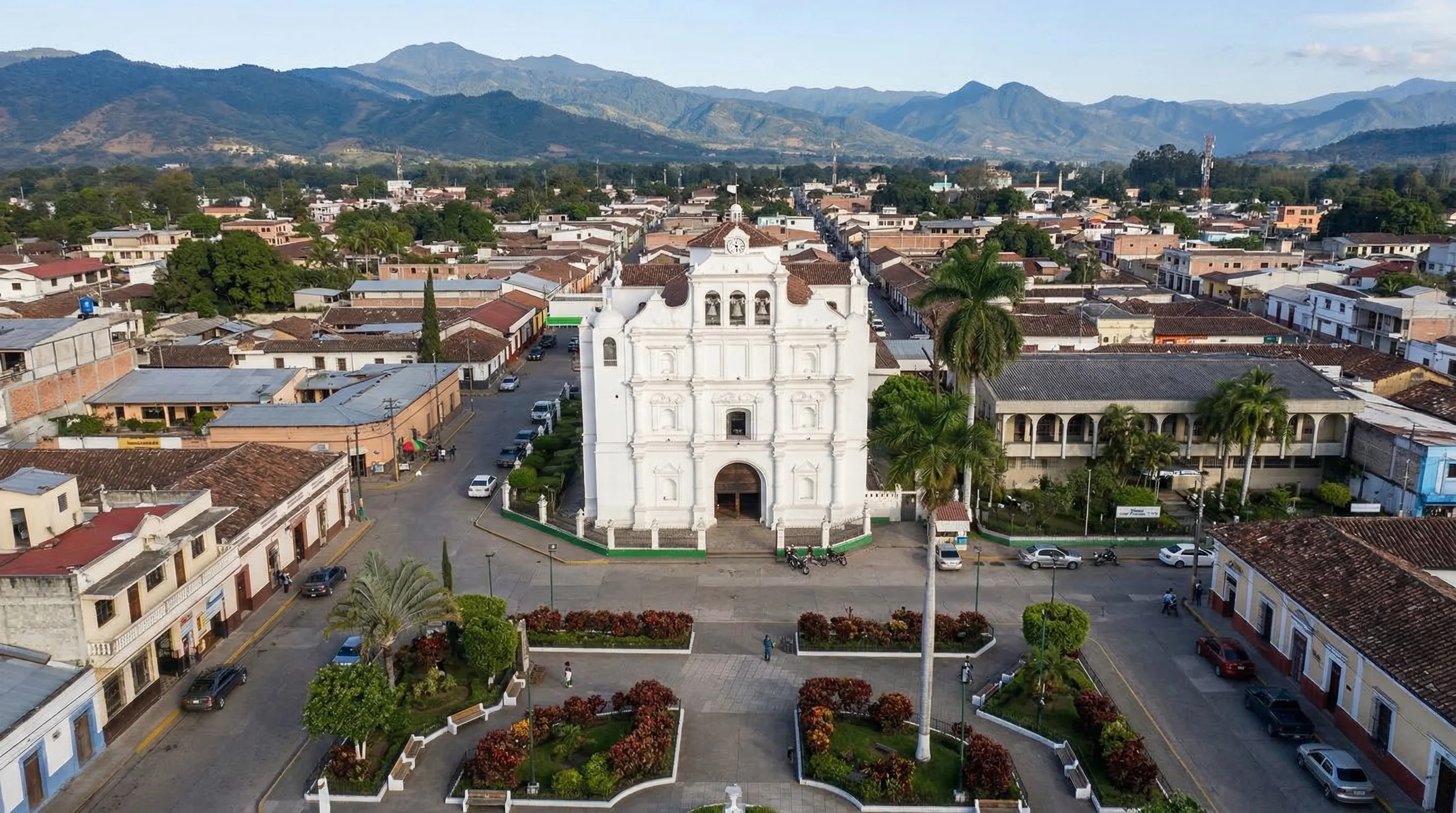
Salamá, situated in the department of Baja Verapaz, Guatemala, serves as a critical logistical node in the highland region. Its location provides access to significant agricultural zones and distribution points throughout the Guatemalan interior and beyond. The economy here is centered on agriculture, manufacturing, and regional trade, generating substantial freight traffic that relies on efficient and secure transportation infrastructure. The city is well-connected via the Guatemalan national highway system, enabling the final leg of cross-border journeys.
For logistics operations, Salamá offers a strategic destination for FTL cargo, particularly for industries requiring specialized handling. Control Terrestre’s presence through trusted partners ensures that incoming shipments, including hazardous materials and oversized cargo, are managed with expertise. Our certified providers utilize appropriate equipment, such as flatbeds and tankers when necessary, to navigate the destination’s infrastructure. This facilitates the reliable delivery of full truckload freight, supporting the economic activities of the region with professional and attentive service.










