
Chiquimula to Raleigh
Raleigh → ChiquimulaFTL freight transportation service between Chiquimula and Raleigh. Reliable logistics solutions for your business.
Route Description
Everything you need to know about the corridor Chiquimula - Raleigh
The logistics corridor connecting Chiquimula, Guatemala to Raleigh, North Carolina represents a vital cross-border trade route spanning approximately 2,574 kilometers. This corridor serves as a crucial link between Central America's growing manufacturing sector and the southeastern United States' robust industrial base. The route traverses diverse terrain and crosses multiple international borders, requiring specialized expertise in customs procedures and cross-border documentation.
The corridor's economic significance stems from the complementary industrial strengths of both regions. Chiquimula serves as a strategic gateway for Guatemalan exports, particularly agricultural products, textiles, and manufactured goods destined for North American markets. Raleigh, as a major technology and research hub in North Carolina's Research Triangle, receives a diverse range of imports including electronics, automotive components, and industrial machinery.
Key transportation infrastructure along this route includes Guatemala's CA-9 highway connecting to Mexico's Federal Highway 190, continuing through the United States via Interstate 85. The primary border crossing at El Florido (Guatemala-Honduras) and subsequent crossings through Mexico require careful coordination and compliance with international trade regulations. Control Terrestre's expertise in managing these complex cross-border operations ensures seamless freight movement through multiple customs jurisdictions.
Our comprehensive services along this corridor include dedicated full truckload transportation, specialized handling for temperature-sensitive cargo, and real-time tracking capabilities. We maintain strategic partnerships with certified carriers who understand the unique requirements of cross-border freight, including compliance with C-TPAT and other security programs essential for efficient border processing.
Services for this Route
Available services for the corridor Chiquimula - Raleigh
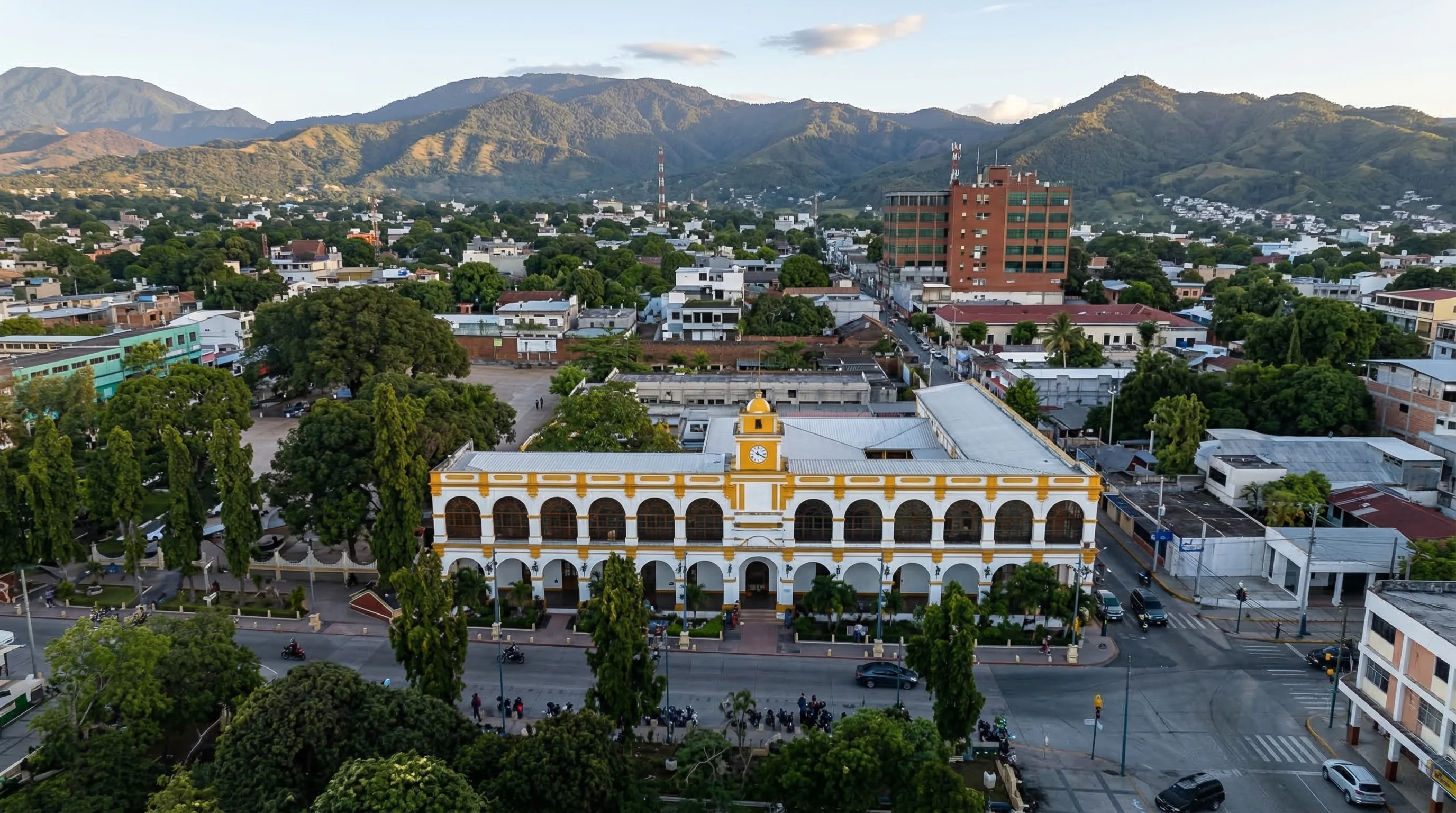 Origin
Chiquimula
Chiquimula, strategically located in eastern Guatemala near the Honduran border, serves as a critical logistics hub for the country's eastern region. The city's proximity to major agricultural production areas and its position along key transportation routes make it an ideal origin point for freight destined for North American markets. Chiquimula's economy is anchored in agriculture, including coffee, cardamom, and various tropical fruits, as well as light manufacturing and textile production.
The region benefits from well-developed transportation infrastructure, including access to the CA-9 highway, which connects to the broader Central American highway network. The El Florido border crossing, located approximately 45 kilometers from Chiquimula, provides efficient access to Honduras and beyond. The city's logistics ecosystem includes warehousing facilities, customs brokerage services, and a network of local carriers equipped to handle various cargo types, from standard pallets to specialized agricultural products.
 Destination
Raleigh
Raleigh, North Carolina stands as a major logistics and distribution center in the southeastern United States, benefiting from its strategic location within the Research Triangle metropolitan area. The city's robust economy encompasses technology, pharmaceuticals, education, and advanced manufacturing sectors, creating substantial demand for efficient freight transportation services. Raleigh's proximity to major ports, including the Port of Virginia and Port of Wilmington, enhances its role as a distribution hub for both domestic and international cargo.
The region boasts excellent transportation infrastructure, including access to Interstate 40, Interstate 85, and Interstate 95, providing seamless connectivity to major US markets. Raleigh's international airport offers air cargo services, while the extensive rail network provides additional intermodal transportation options. The city's logistics infrastructure includes modern warehousing facilities, cold storage capabilities, and a skilled workforce experienced in handling diverse cargo types, from high-tech electronics to industrial equipment.










