Cheyenne to Salamá
Salamá → CheyenneFTL freight transportation service between Cheyenne and Salamá. Reliable logistics solutions for your business.
Route Description
Everything you need to know about the corridor Cheyenne - Salamá
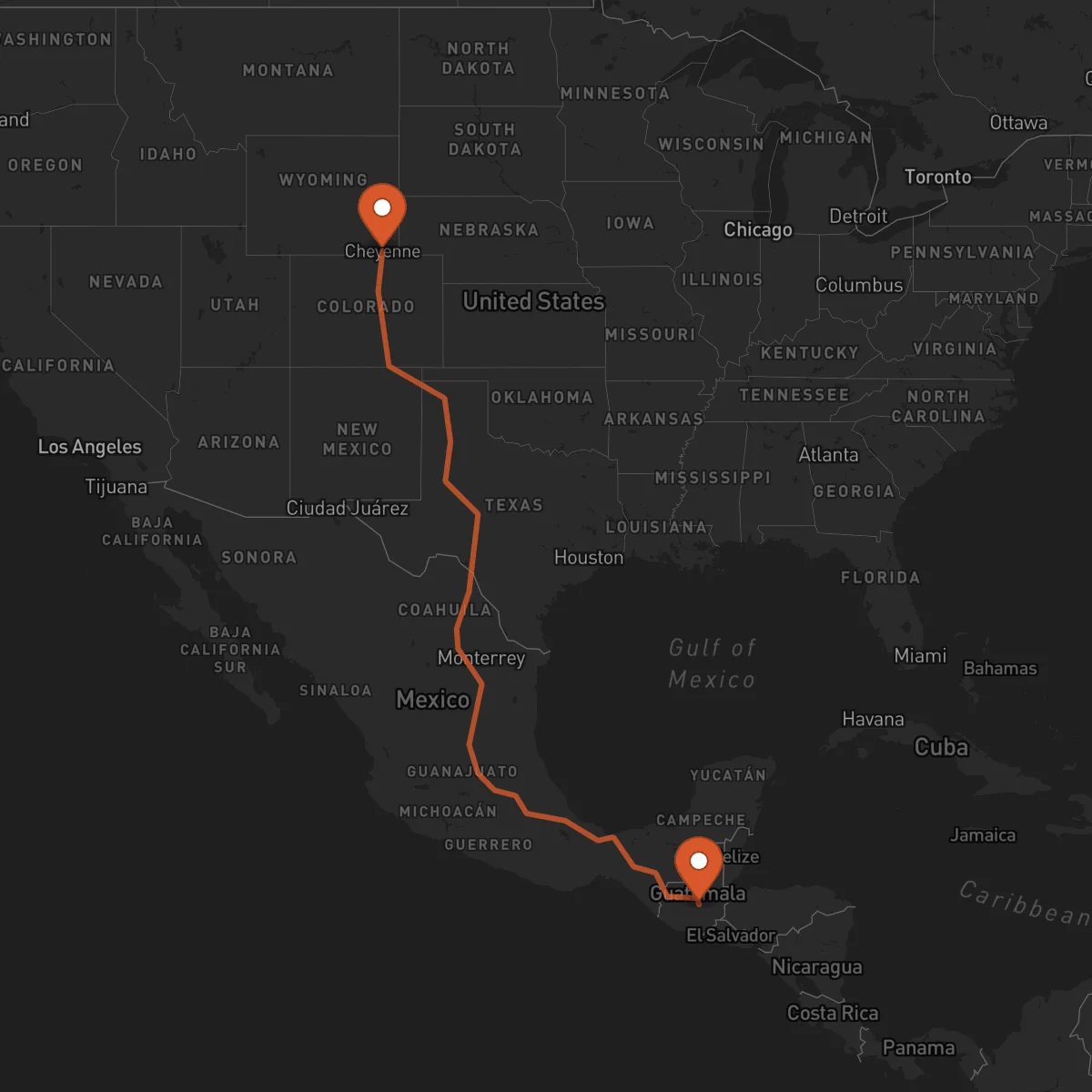
The logistics corridor between Cheyenne, Wyoming, and Salamá, Baja Verapaz, Guatemala, represents a vital cross-border connection spanning approximately 3,215 kilometers. This corridor links the industrial heartland of the United States with the growing manufacturing and agricultural sectors of Guatemala, facilitating the movement of diverse cargo types across North and Central America. The route traverses multiple states and countries, crossing through key economic regions that benefit from this international trade connection.
The corridor's strategic importance lies in its ability to connect major production centers in Wyoming with distribution hubs in Guatemala. Cheyenne serves as a gateway to the Rocky Mountain region, while Salamá provides access to Guatemala's central highlands and the broader Central American market. This route supports industries such as automotive parts, electronics, agricultural products, and manufactured goods, enabling businesses to optimize their supply chains across international borders.
Transportation infrastructure along this corridor includes major interstate highways in the United States, such as I-80 and I-25, connecting to Mexican Federal Highways and ultimately to Guatemala's CA-1 highway network. Key border crossings at Laredo/Nuevo Laredo and Ciudad Hidalgo/El Amatillo facilitate the movement of full truckload (FTL) freight. Control Terrestre's expertise in cross-border operations ensures seamless customs clearance, compliance with international regulations, and reliable door-to-door service throughout this extensive corridor.
Services for this Route
Available services for the corridor Cheyenne - Salamá
 Origin
Cheyenne
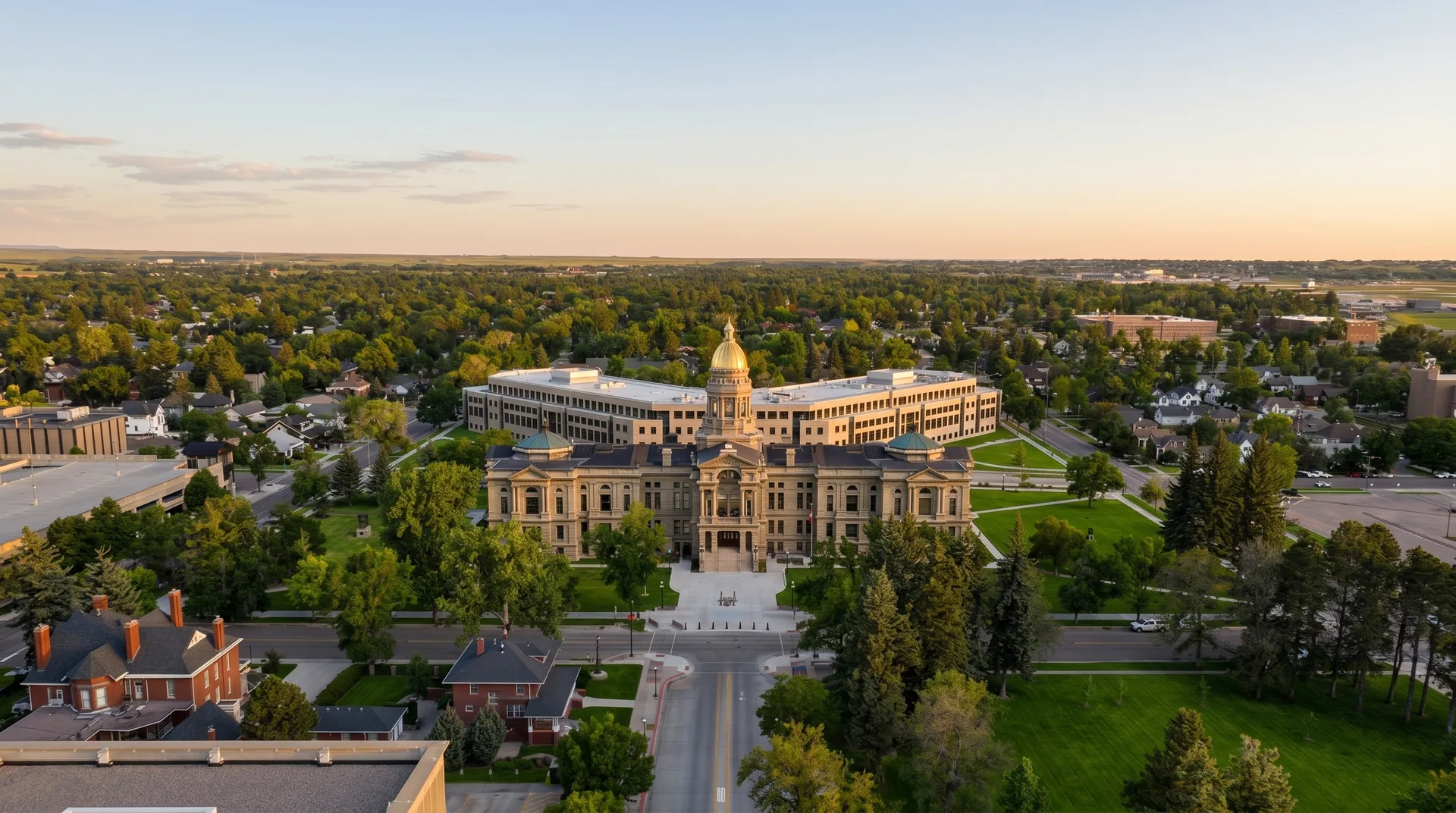
Cheyenne, Wyoming, serves as a strategic logistics hub in the Rocky Mountain region, offering excellent connectivity to major transportation networks. Located at the intersection of Interstates 80 and 25, Cheyenne provides direct access to national freight corridors connecting the Midwest, West Coast, and Southwest United States. The city's economy is driven by government services, military installations, agriculture, and energy production, creating consistent demand for freight transportation services. Cheyenne's transportation infrastructure includes a modern airport, rail connections through Union Pacific, and proximity to major trucking routes, making it an ideal origin point for cross-border shipments to Central America.
 Destination
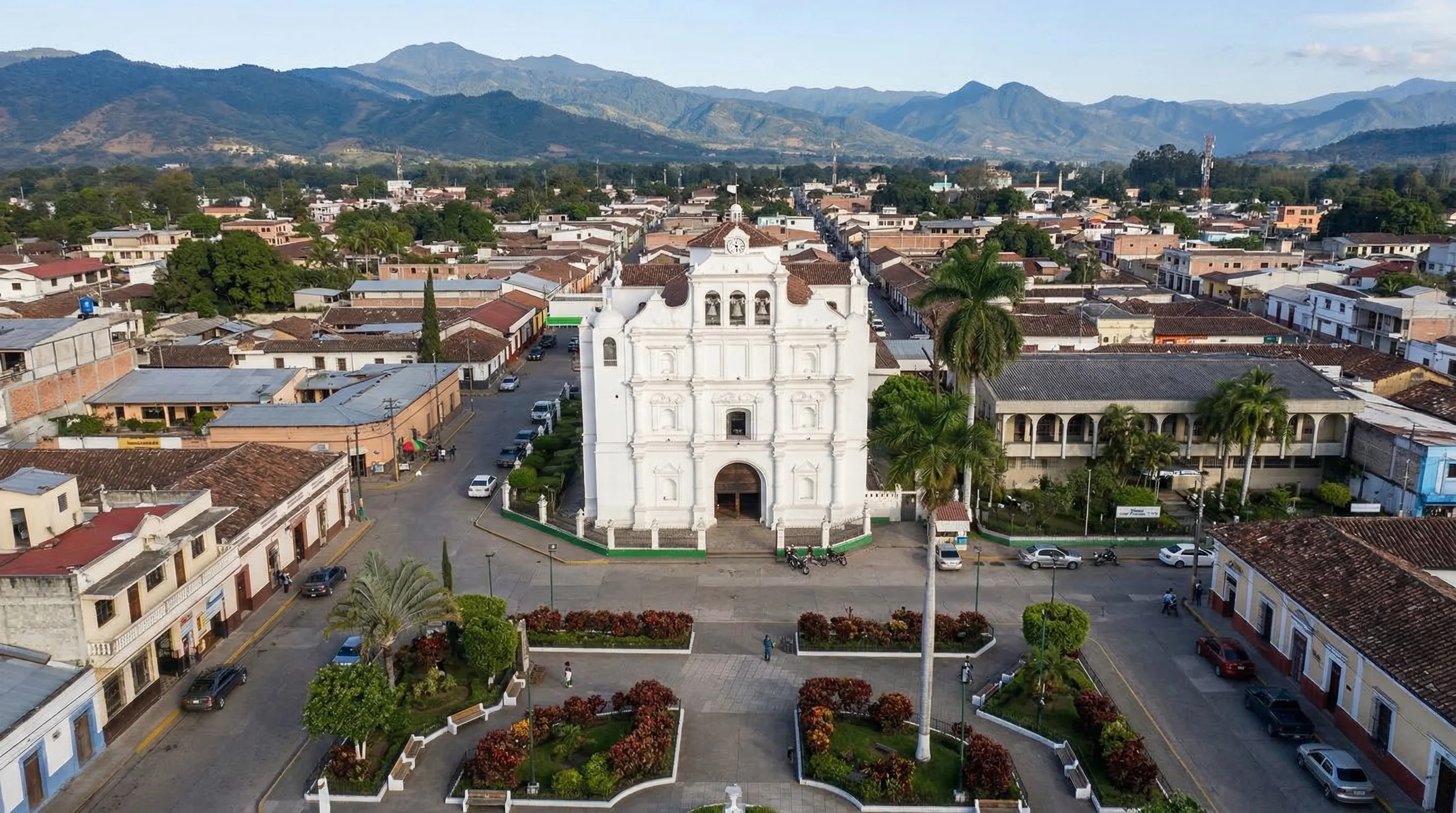
Salamá
Salamá, Baja Verapaz, Guatemala, is strategically located in the country's central highlands, providing access to Guatemala City and the broader Central American region. The city serves as a commercial center for the surrounding agricultural areas, known for producing coffee, vegetables, and other crops. Salamá's economy benefits from its proximity to major industrial zones and manufacturing facilities in nearby regions. The area's transportation infrastructure includes connections to Guatemala's CA-1 highway, facilitating distribution throughout the country and to neighboring nations. This strategic location makes Salamá an important destination for cross-border freight moving from North America.










