Chetumal to Tucson
Tucson → ChetumalFTL freight transportation service between Chetumal and Tucson. Reliable logistics solutions for your business.
Route Description
Everything you need to know about the corridor Chetumal - Tucson
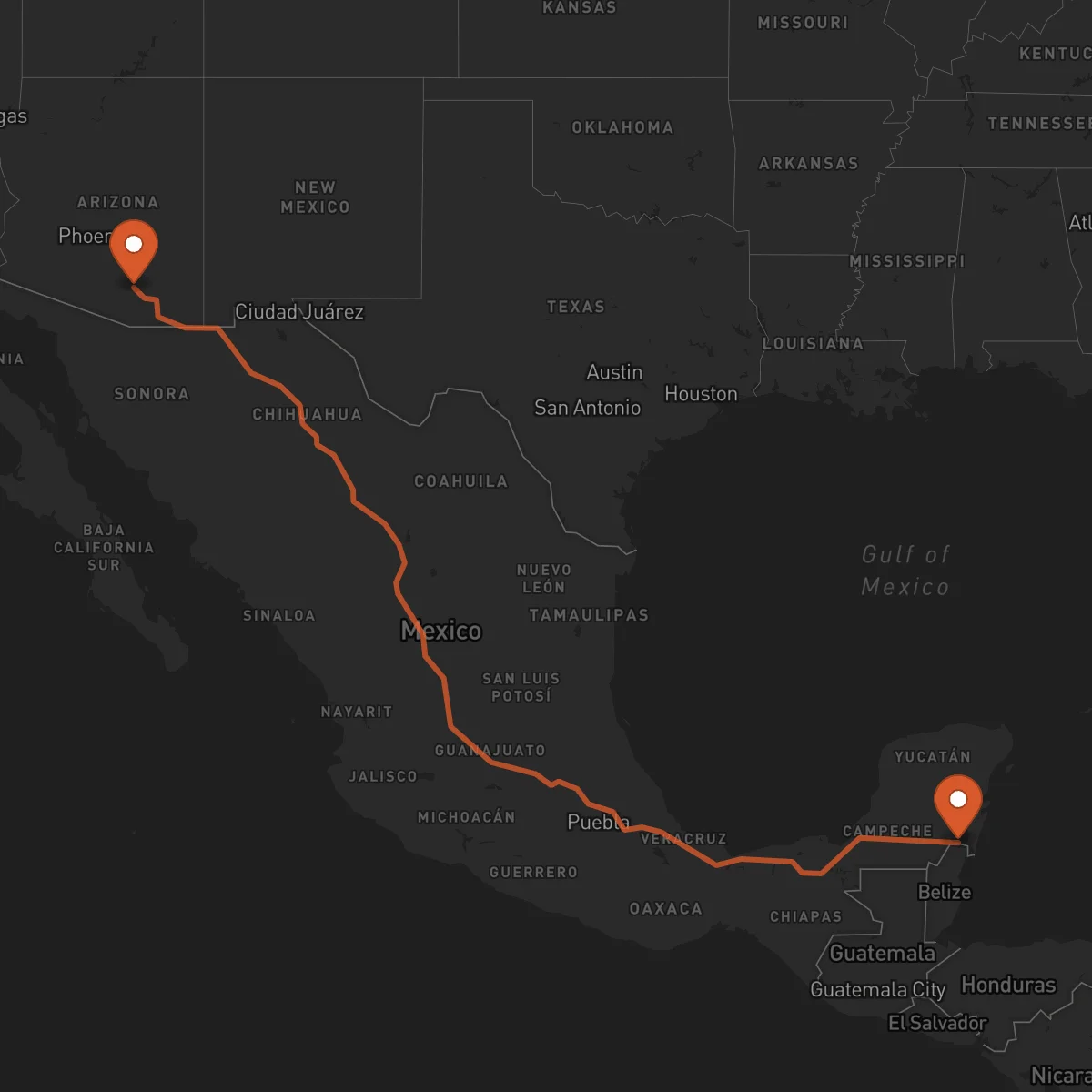
The logistics corridor between Chetumal and Tucson represents a vital trade route connecting the southeastern tip of Mexico with the southwestern United States. This 2,734-kilometer cross-border corridor facilitates the movement of goods between two dynamic economic regions, serving as a bridge between Mexico's growing industrial base and the robust manufacturing and distribution centers of Arizona. The route traverses diverse terrain and crosses multiple states, making it a critical artery for North American trade. Control Terrestre specializes in managing the complexities of this corridor, ensuring seamless transportation from origin to destination while navigating the regulatory requirements of cross-border operations.
Services for this Route
Available services for the corridor Chetumal - Tucson
 Origin
Chetumal
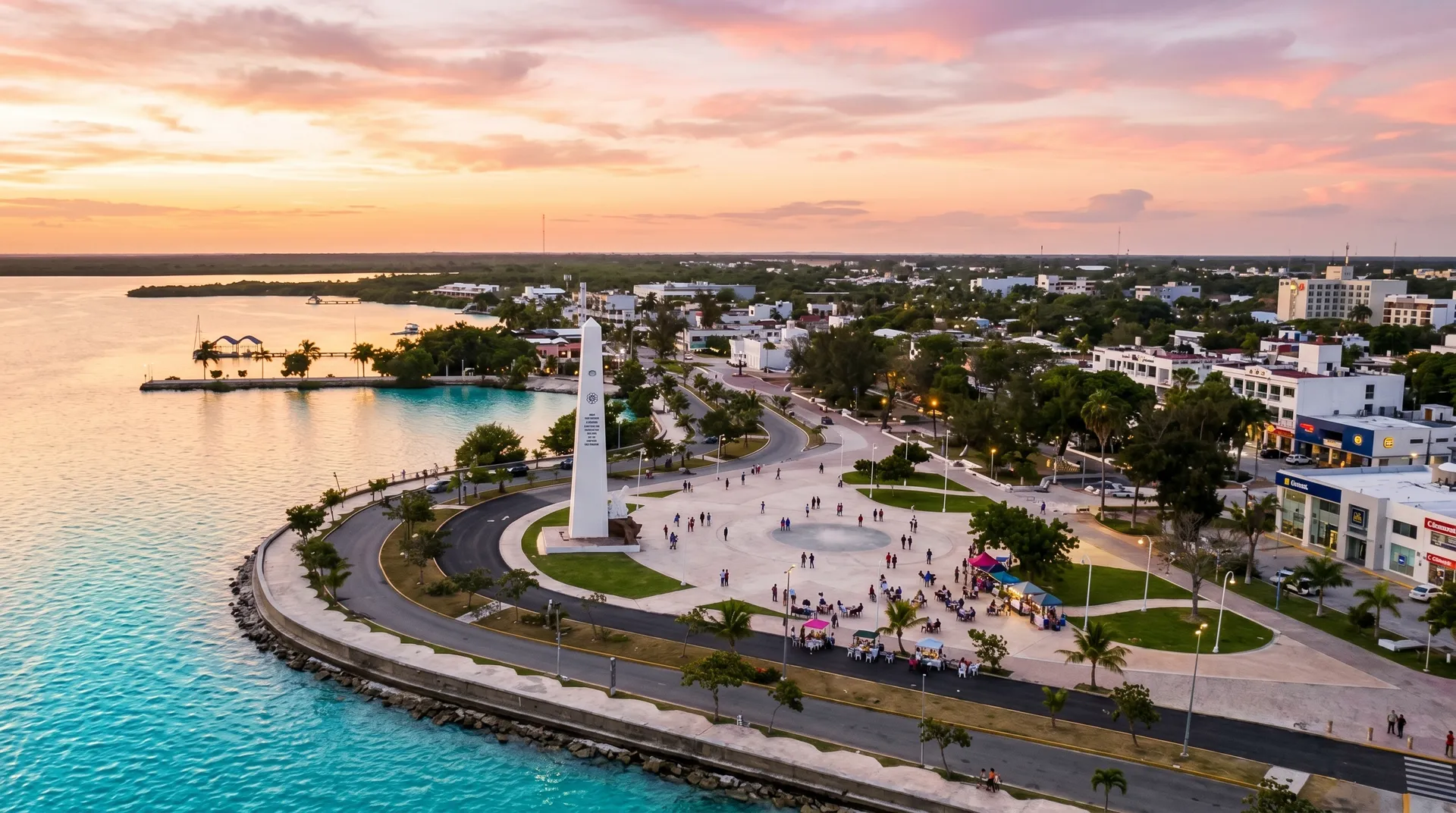
Chetumal, located in Quintana Roo at Mexico's southeastern border with Belize, serves as a strategic gateway for trade with Central America and the Caribbean. This coastal city benefits from its proximity to major maritime ports and its position as a commercial hub for the Yucatán Peninsula. The region's economy is driven by tourism, agriculture, and emerging manufacturing sectors. Chetumal's transportation infrastructure includes access to federal highways connecting to Mexico's interior, as well as maritime facilities that complement ground transportation options. The city's location makes it an ideal origin point for goods destined for the United States, particularly for companies looking to leverage Mexico's manufacturing capabilities.
 Destination
Tucson
Tucson, Arizona stands as a major logistics and distribution center in the southwestern United States, strategically positioned near the Mexico border. The city serves as a critical hub for trade between the U.S. and Mexico, with its economy anchored in aerospace, defense, electronics, and advanced manufacturing. Tucson's transportation infrastructure is exceptional, featuring major interstate highways, a significant international airport, and direct rail connections. The city's proximity to the border crossing at Nogales provides efficient access to Mexican markets while maintaining strong connections to major U.S. distribution networks. Tucson's logistics ecosystem is further enhanced by its status as a Foreign Trade Zone, making it an attractive destination for international freight operations.










