Chetumal to Calgary
Calgary → ChetumalFTL freight transportation service between Chetumal and Calgary. Reliable logistics solutions for your business.
Route Description
Everything you need to know about the corridor Chetumal - Calgary
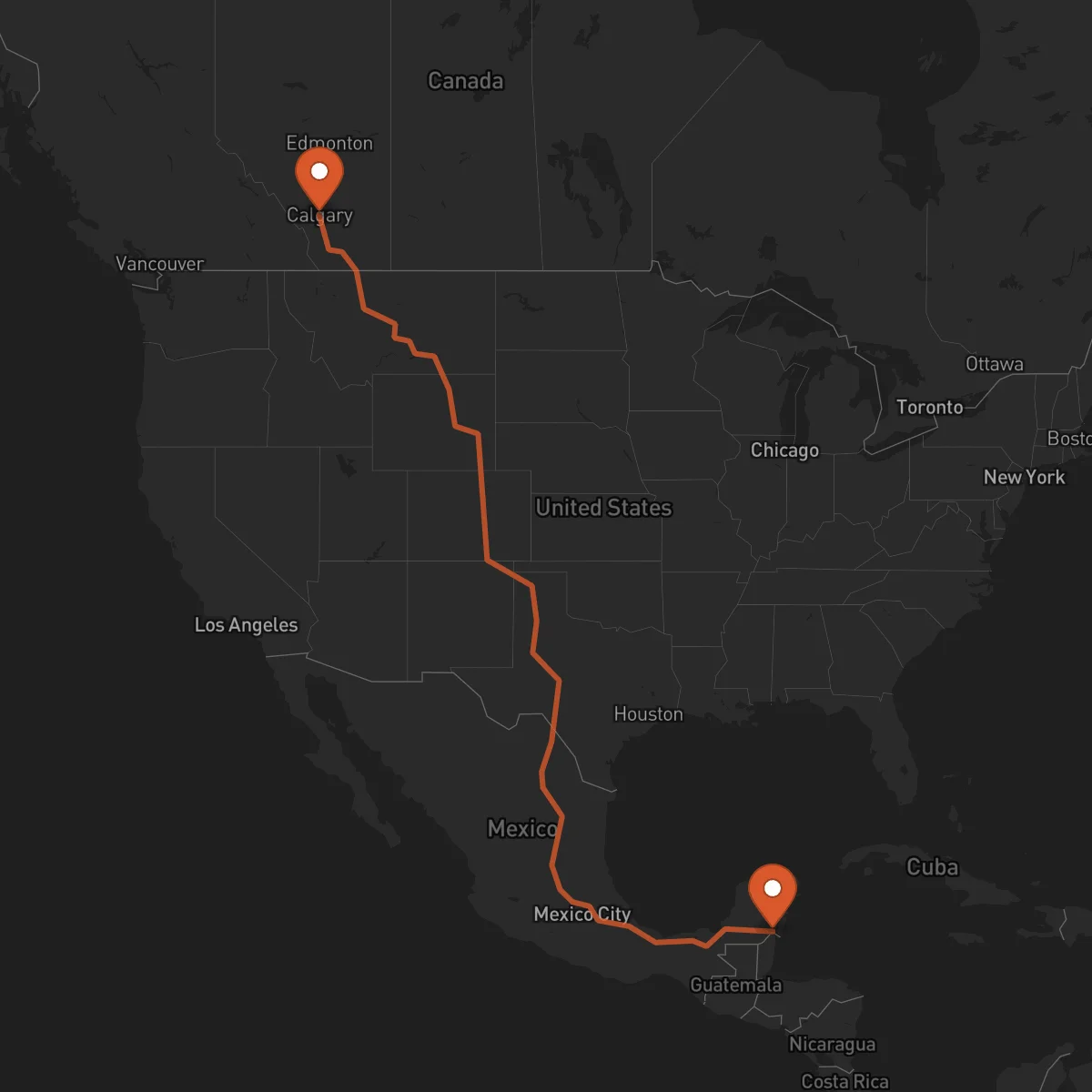
The logistics corridor between Chetumal, Quintana Roo, and Calgary, Alberta, represents a vital cross-border connection spanning approximately 4,270 kilometers through Mexico, the United States, and Canada. This corridor serves as a crucial link between Mexico's southeastern economic development initiatives and Canada's thriving industrial centers in Alberta. The route traverses diverse landscapes and crosses multiple international borders, making it a complex but strategically important freight transportation pathway.
The corridor connects Chetumal's growing logistics hub with Calgary's energy and technology sectors, facilitating the movement of diverse cargo types. Major highways along this route include Mexico's Federal Highway 307, connecting to the U.S. Interstate system via Laredo or El Paso border crossings, and continuing through the United States before entering Canada via Montana or North Dakota. Control Terrestre's expertise in cross-border operations ensures seamless customs clearance and compliance with all regulatory requirements at each international boundary.
This corridor primarily serves industries including automotive parts, agricultural products, manufactured goods, and energy sector equipment. The route is particularly valuable for companies engaged in North American supply chain integration, as it connects Mexico's manufacturing capabilities with Canada's resource-based economy. Control Terrestre provides dedicated FTL services along this corridor, offering reliable door-to-door transportation with specialized handling for temperature-sensitive and high-value cargo, ensuring your freight moves efficiently through each country's transportation network.
Services for this Route
Available services for the corridor Chetumal - Calgary
 Origin
Chetumal
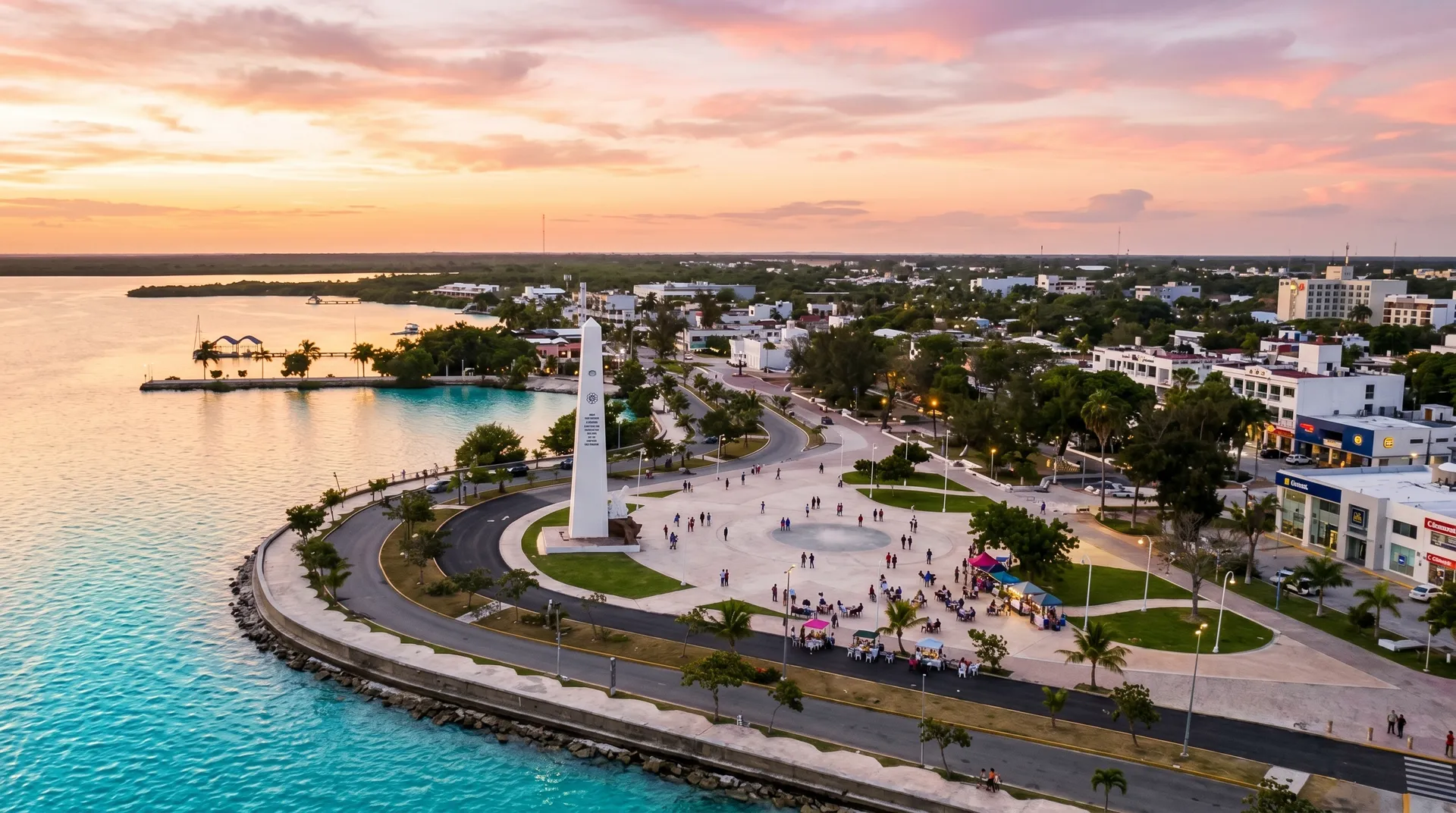
Chetumal, the capital of Quintana Roo, serves as a strategic gateway to Mexico's southeastern region and Central America. Located on the border with Belize, Chetumal benefits from its position as a free trade zone and its proximity to major maritime ports. The city has developed significant logistics infrastructure, including the Chetumal International Airport and connections to Mexico's Federal Highway 307, which links to the broader national transportation network. The region's economy is driven by tourism, agriculture, fishing, and emerging manufacturing sectors, creating consistent demand for reliable freight transportation services to northern markets.
 Destination
Calgary stands as a major logistics and economic hub in western Canada, strategically positioned near the Rocky Mountains and serving as a gateway to both Canadian and U.S. markets. The city boasts excellent transportation infrastructure, including the Calgary International Airport, extensive rail connections through Canadian Pacific Railway, and proximity to major highways including the Trans-Canada Highway. Calgary's economy is anchored in the energy sector, particularly oil and gas, but also includes technology, manufacturing, and agricultural industries. The city's location provides efficient access to Alberta's resource-rich interior and serves as a distribution center for goods moving throughout western Canada and into the northern United States.










