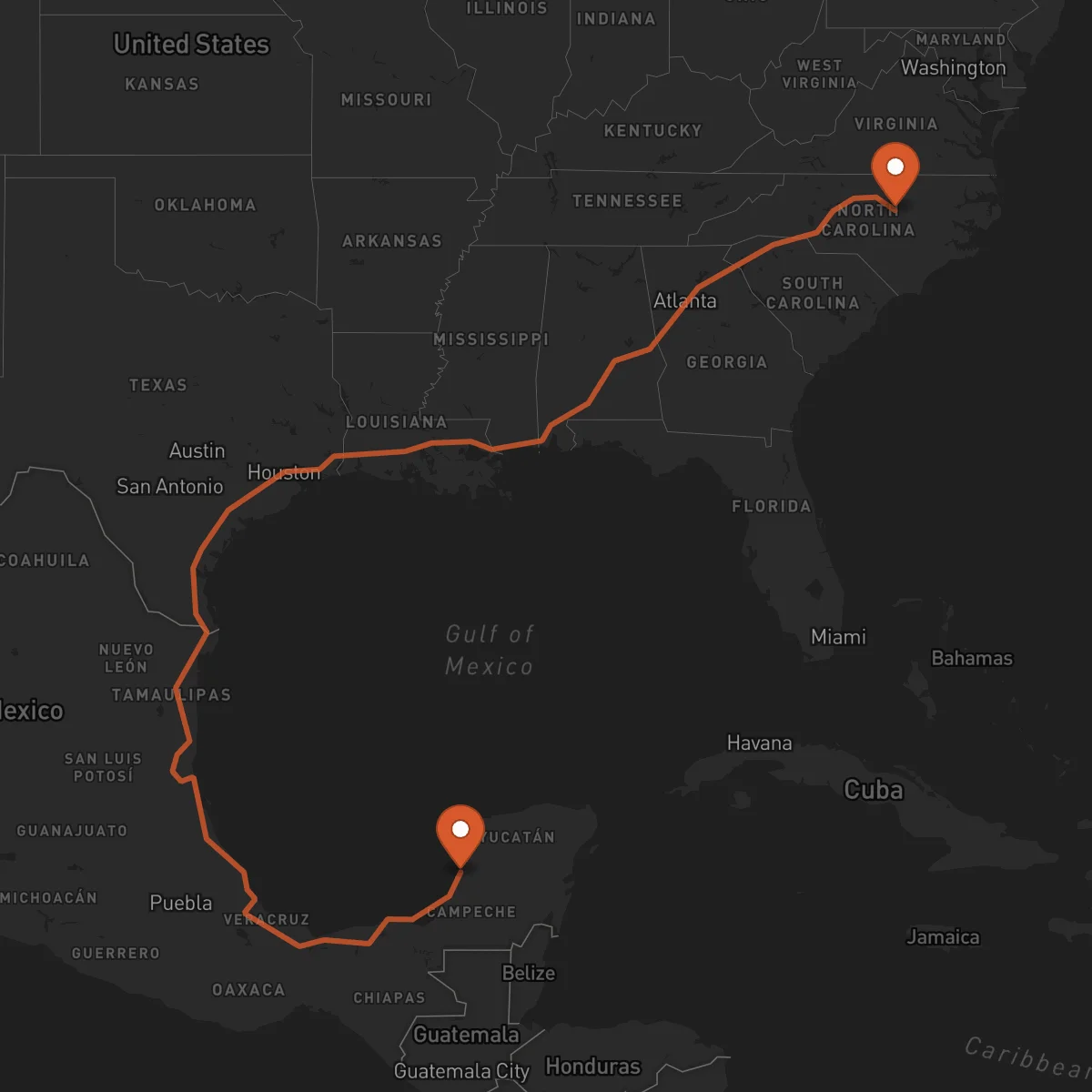
Campeche to Raleigh
Raleigh → CampecheFTL freight transportation service between Campeche and Raleigh. Reliable logistics solutions for your business.
Route Description
Everything you need to know about the corridor Campeche - Raleigh
The Campeche to Raleigh corridor represents a vital cross-border freight transportation route connecting the Gulf of Mexico region of Mexico with the strategic logistics hub of North Carolina. This 2,121-kilometer corridor facilitates the movement of goods between Mexico's industrial southeast and the United States' southeastern manufacturing and technology centers. The route traverses diverse terrain and crosses multiple state lines, making it essential for companies engaged in North American trade. Control Terrestre specializes in managing the complexities of this corridor, ensuring seamless cross-border operations through our network of certified transportation partners and expertise in customs procedures.
Services for this Route
Available services for the corridor Campeche - Raleigh
 Origin
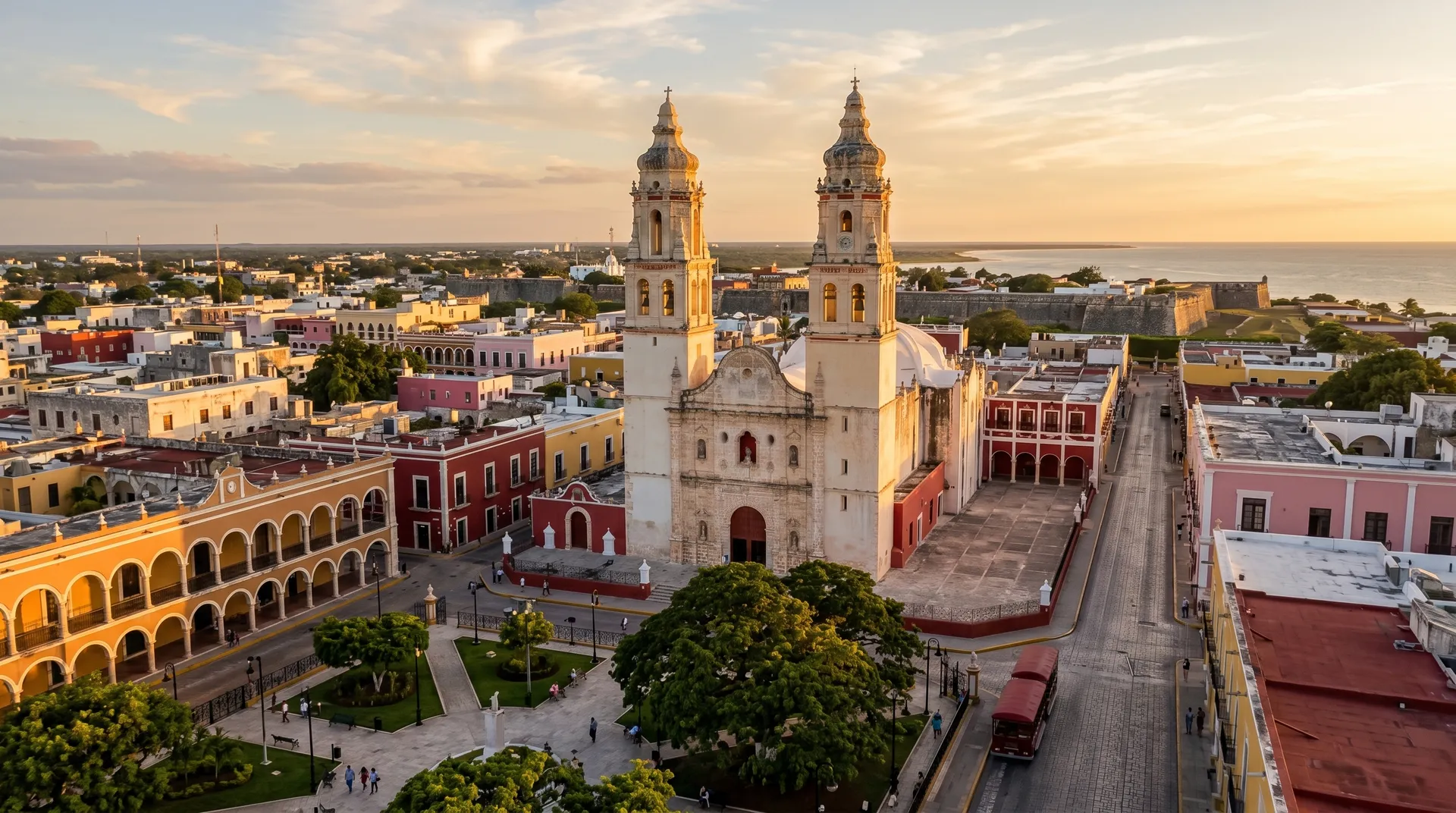
Campeche, located on Mexico's Gulf coast, serves as a strategic logistics gateway for the Yucatán Peninsula and surrounding regions. The city's port facilities and proximity to major industrial centers in southeastern Mexico make it an ideal origin point for freight transportation. Campeche's economy is driven by oil and gas operations, fishing industry, and growing manufacturing sectors. The region benefits from well-developed road infrastructure connecting to Mexico's federal highway system, including access to Highway 180D, which provides efficient connections to the northern border and beyond.
 Destination
Raleigh
Raleigh, North Carolina, stands as a crucial logistics and distribution center in the southeastern United States. The city's strategic location within the Research Triangle provides excellent access to major markets along the East Coast. Raleigh's economy is anchored by technology, research, education, and advanced manufacturing sectors, creating consistent demand for reliable freight transportation. The region boasts sophisticated transportation infrastructure, including proximity to major interstate highways (I-40, I-85, I-95) and access to the Port of Wilmington, facilitating efficient distribution throughout the eastern United States.










