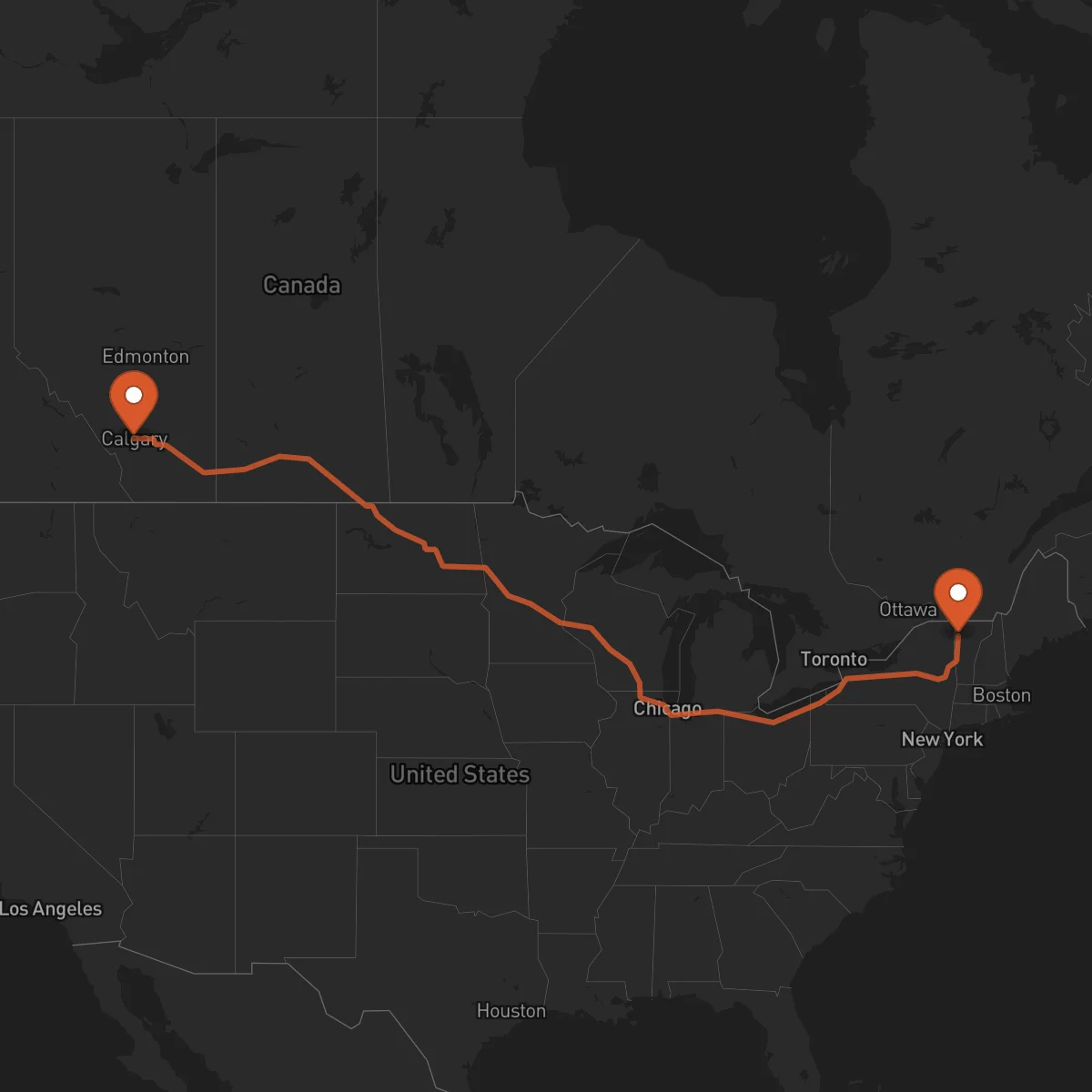
Calgary to Burlington
Burlington → CalgaryFTL freight transportation service between Calgary and Burlington. Reliable logistics solutions for your business.
Route Description
Everything you need to know about the corridor Calgary - Burlington
The Calgary to Burlington corridor represents a vital cross-border freight route connecting the energy and industrial powerhouse of Alberta with the northeastern United States. This 3,098 km journey traverses the Canadian Rockies, the Great Plains, and the densely populated regions of the U.S. Northeast, serving as a critical link for businesses operating between these two dynamic markets. The corridor's strategic importance has grown significantly with increasing trade between Canada and the United States, particularly in energy products, manufactured goods, and agricultural commodities.
The economic context of this route reflects the complementary strengths of both regions. Calgary, as the heart of Canada's energy sector, produces vast quantities of oil, natural gas, and related products that flow south to U.S. markets. Meanwhile, Burlington and the surrounding Vermont region serve as gateways to the northeastern U.S., with strong manufacturing, technology, and agricultural sectors. The corridor facilitates the movement of specialized equipment, industrial machinery, and value-added products between these complementary economies.
Key industries utilizing this corridor include energy and petrochemicals, heavy manufacturing, agricultural products, and specialized industrial equipment. The route primarily follows major transportation arteries including the Trans-Canada Highway (Highway 1) through Alberta and Saskatchewan, connecting to U.S. Interstate highways such as I-94 and I-89. The main border crossing at Coutts/Sweet Grass provides efficient customs processing for commercial freight, while alternative crossings at other points along the border offer flexibility for time-sensitive shipments.
Control Terrestre specializes in managing the complexities of this cross-border corridor, ensuring seamless freight movement through our network of certified carriers. Our expertise in customs documentation, border procedures, and regulatory compliance helps clients navigate the challenges of international shipping. With dedicated FTL services, real-time tracking, and experienced logistics professionals, we ensure your cargo moves efficiently and reliably between Calgary and Burlington, regardless of the season or market conditions.
Services for this Route
Available services for the corridor Calgary - Burlington
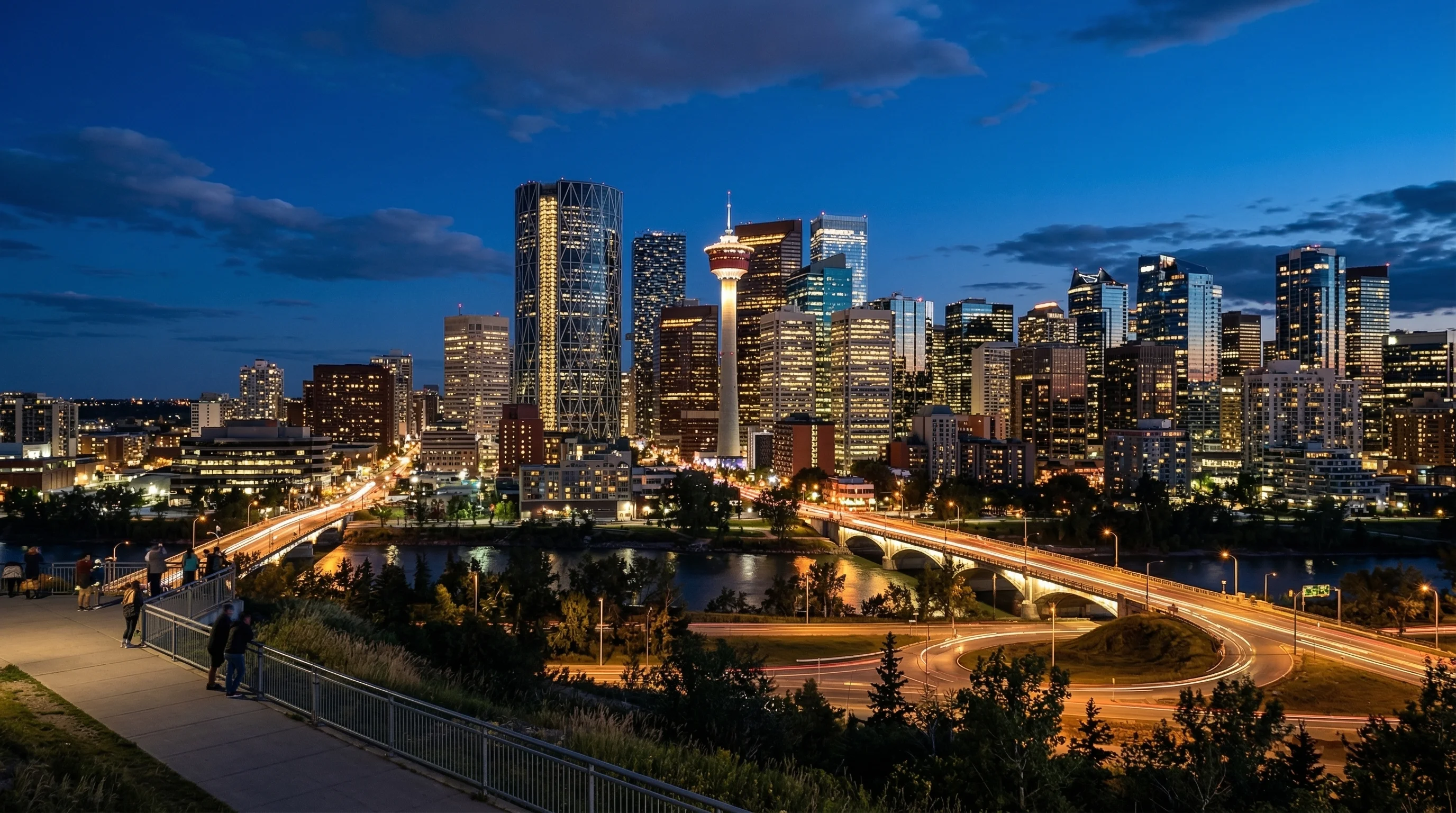 Origin
Calgary stands as a strategic logistics hub in western Canada, serving as the gateway to the vast energy resources of Alberta and the broader Canadian Prairies. Located at the intersection of major transportation routes, including the Trans-Canada Highway and key rail corridors, Calgary provides excellent connectivity to both domestic and international markets. The city's logistics infrastructure includes modern warehousing facilities, intermodal yards, and a well-developed network of trucking companies specializing in various freight types.
The economic foundation of Calgary is built on the energy sector, with oil and gas extraction, processing, and related industries forming the backbone of the local economy. Beyond energy, the city has diversified into technology, manufacturing, and professional services, creating a dynamic business environment. The Calgary International Airport and extensive rail networks complement the road transportation system, providing multiple options for freight movement. The region's industrial parks and specialized logistics zones are equipped to handle everything from standard palletized goods to oversized equipment and hazardous materials.
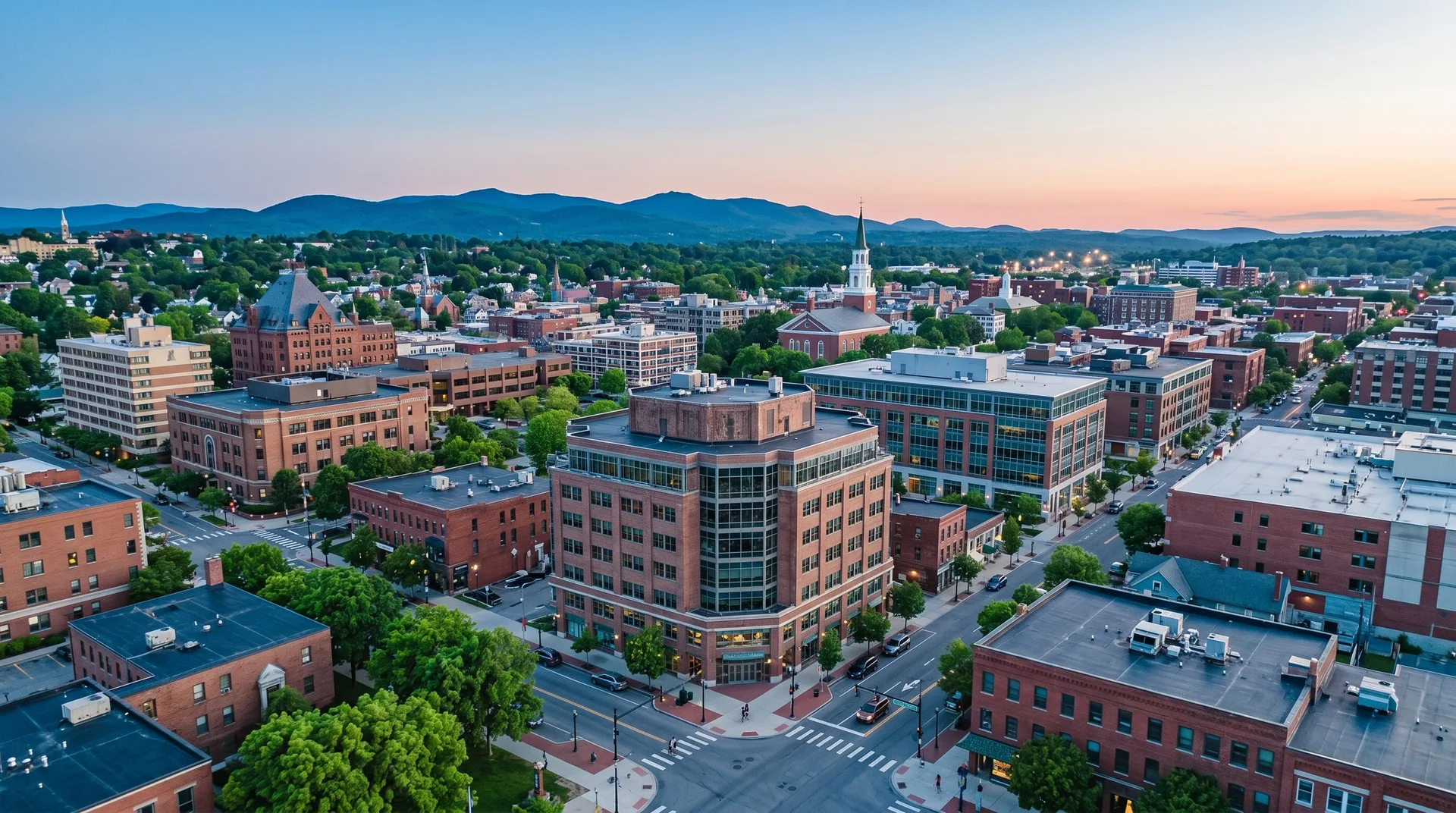 Destination
Burlington
Burlington occupies a strategic position in the northeastern United States, serving as a vital logistics node for Vermont and the broader New England region. Located on the eastern shore of Lake Champlain and in proximity to major population centers like Montreal, Boston, and New York City, Burlington offers excellent connectivity through multiple transportation modes. The city's logistics infrastructure includes the Burlington International Airport, rail connections via the New England Central Railroad, and well-maintained highway networks that facilitate efficient freight movement.
The economic landscape of Burlington and the surrounding region is characterized by a mix of traditional and emerging industries. Manufacturing remains strong, particularly in precision instruments, electronics, and food processing. The area has also developed significant capabilities in healthcare, education, and technology sectors. Vermont's agricultural heritage continues to play a role, with dairy products, specialty foods, and craft beverages being important cargo types. The region's commitment to sustainability and green initiatives has also fostered growth in renewable energy and environmental technologies, creating unique logistics requirements for specialized and sometimes oversized equipment.










