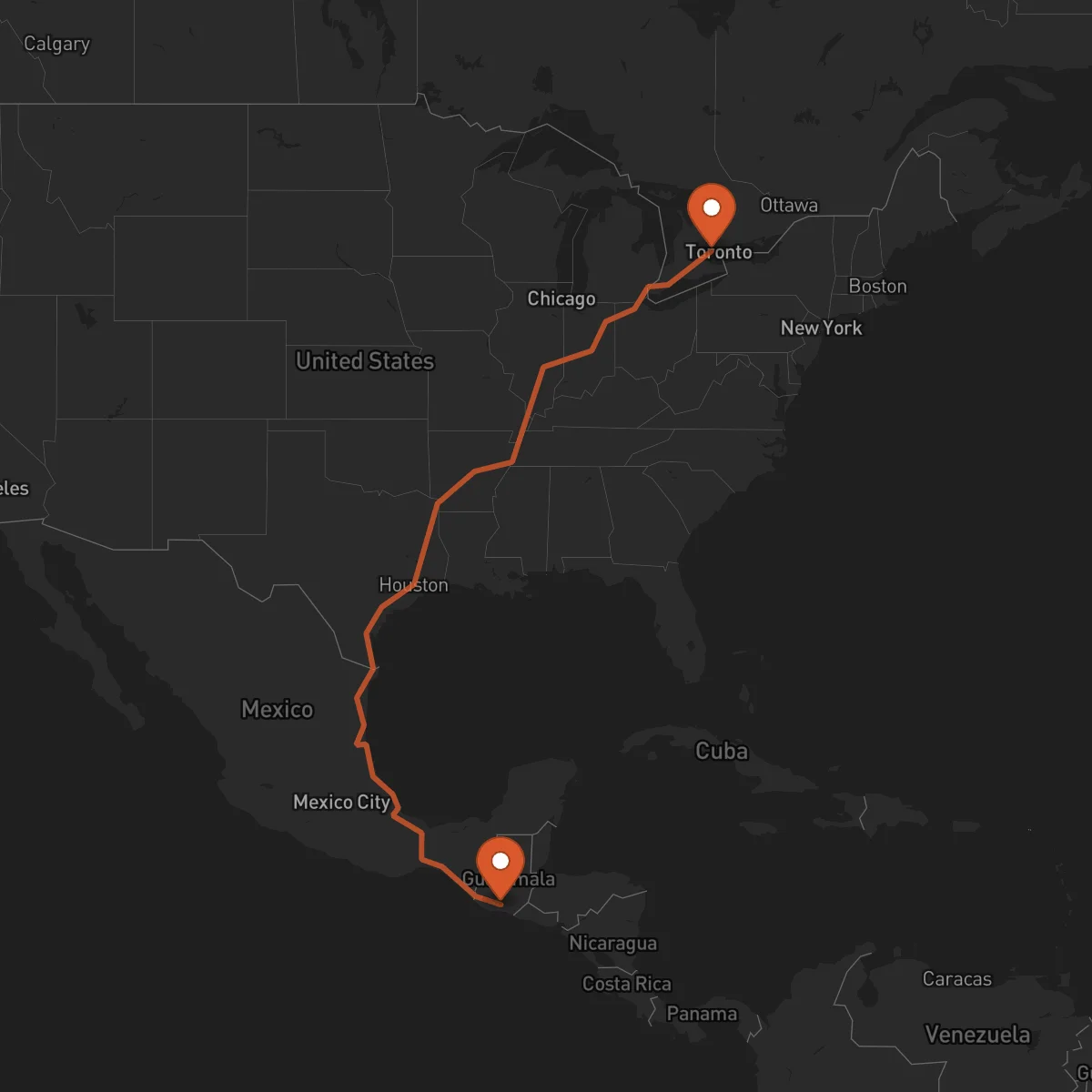
Brampton to Escuintla
Escuintla → BramptonFTL freight transportation service between Brampton and Escuintla. Reliable logistics solutions for your business.
Route Description
Everything you need to know about the corridor Brampton - Escuintla
This cross-border corridor connects Brampton, Ontario, with Escuintla, Guatemala, serving as a vital link for North American trade. Its strategic importance lies in facilitating the efficient movement of full truckload cargo between Canada and Central America, integrating major industrial hubs. The economic context is driven by manufacturing and agricultural sectors, with industries such as automotive parts, electronics, and fresh produce relying heavily on this route. Key transportation infrastructure includes Ontario Highways 410 and 401, transitioning to Mexican Federal Highways like 150 and 190, leading to Guatemalan national routes. Border crossings through Laredo or Nogales require careful customs compliance, including documentation for agricultural and manufactured goods. Control Terrestre leverages our network of certified providers and expertise in cross-border FTL transportation to manage the complexities of this corridor, ensuring streamlined operations for specialized cargo.
Services for this Route
Available services for the corridor Brampton - Escuintla
 Origin
Brampton is a strategic logistics hub in Ontario, offering excellent connectivity to major Canadian and US markets. Its central location within the Greater Toronto Area provides efficient access to national transportation networks. Key economic sectors include advanced manufacturing, logistics distribution, and technology, generating consistent freight volume. The region benefits from proximity to Ontario’s primary highways, enabling swift domestic transport before cross-border transit. This infrastructure supports the timely movement of full truckload shipments, making Brampton an ideal origin point for businesses requiring reliable FTL services to Central America.
 Destination
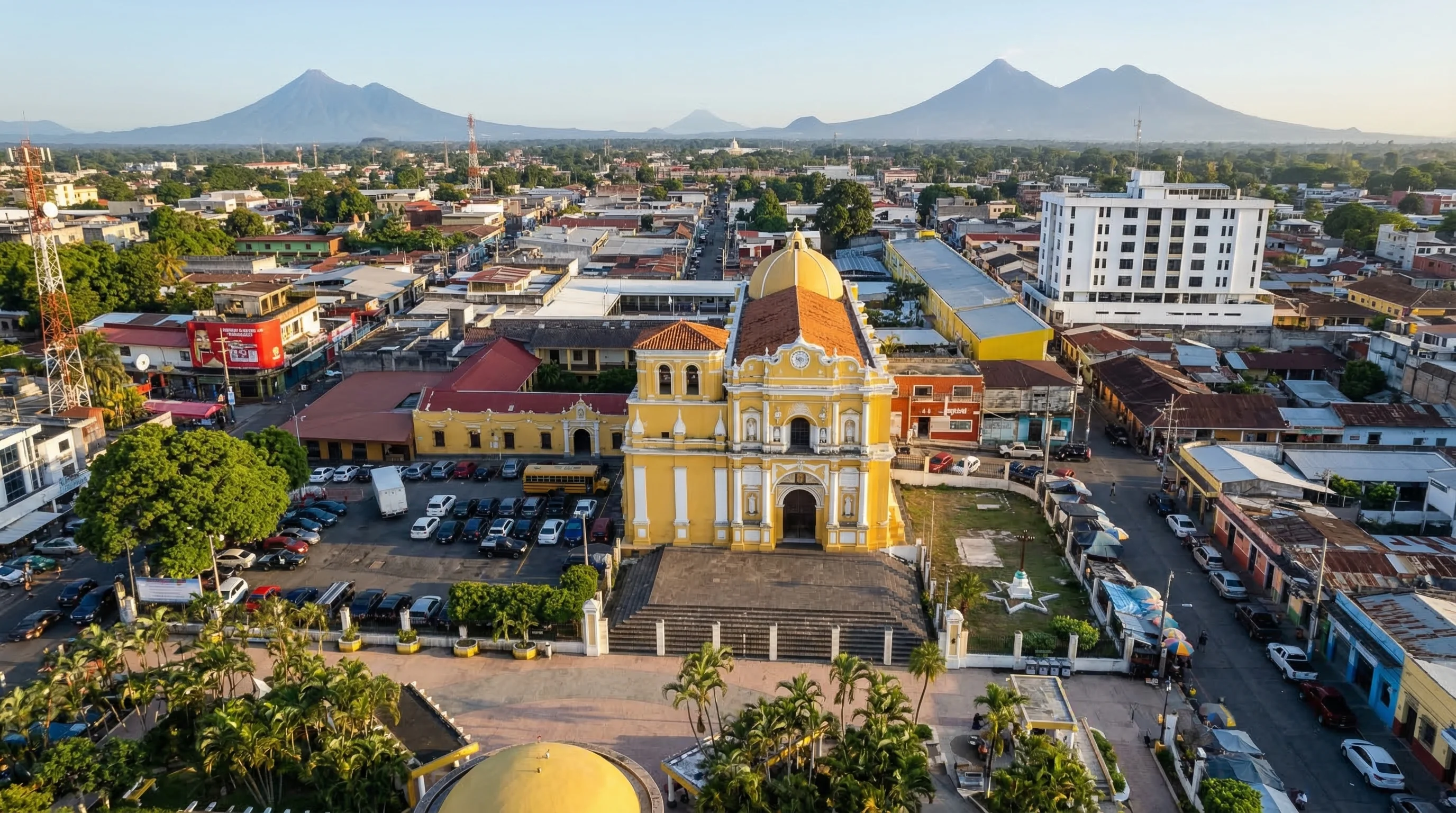
Escuintla holds significant logistical importance as a gateway to Guatemala’s Pacific coast and interior markets. Its strategic location supports key industries such as agriculture, particularly coffee and banana production, along with manufacturing and port-related activities. The region is served by national highways connecting to the Port of San José, enhancing distribution capabilities for Central America. Available infrastructure includes roads facilitating the movement of oversized and specialized cargo. Control Terrestre’s presence through allied providers ensures that shipments arriving here can be handled with expertise in refrigerated, hazardous, and dedicated FTL services, optimizing the final leg of the journey.










