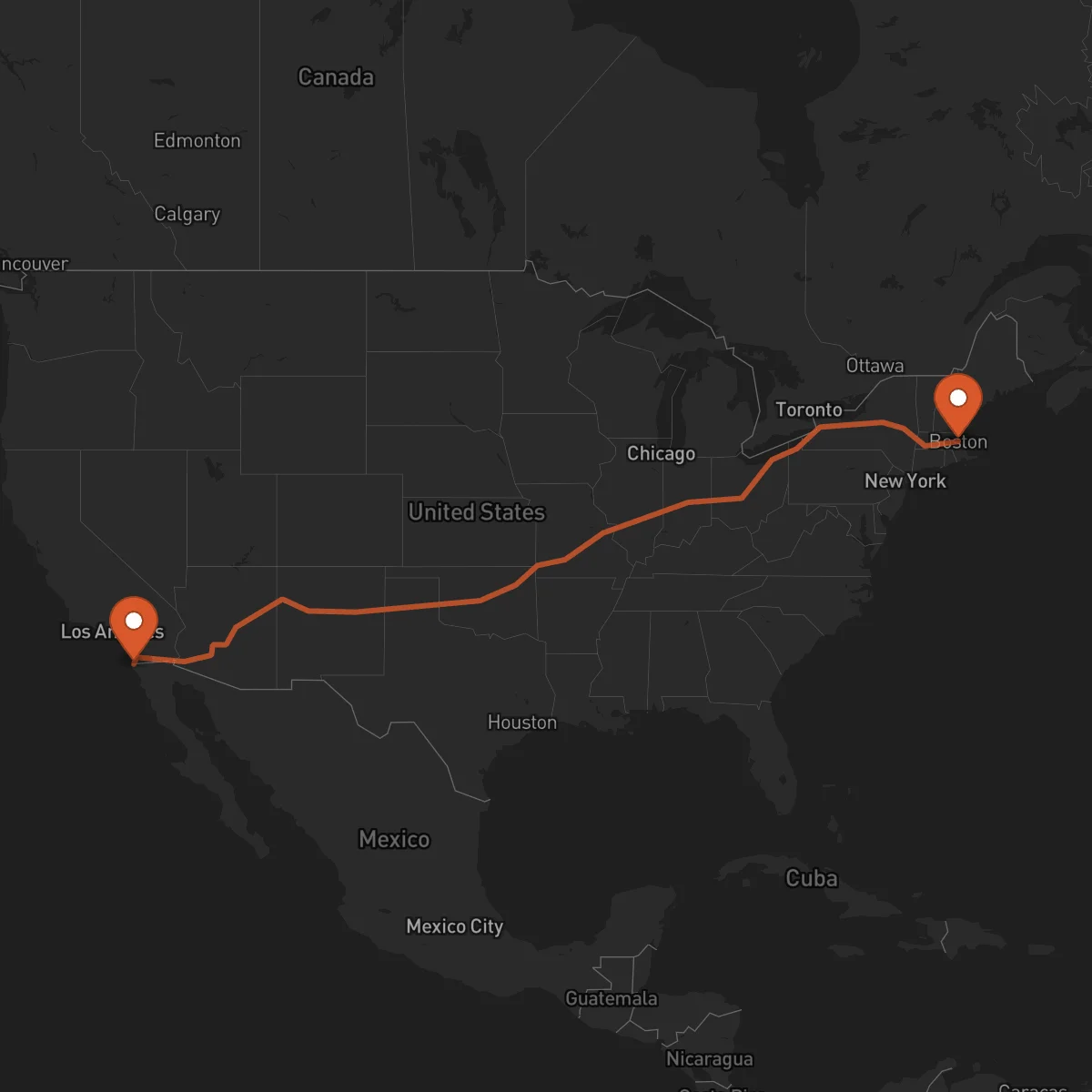
Boston to Tijuana
Tijuana → BostonFTL freight transportation service between Boston and Tijuana. Reliable logistics solutions for your business.
Route Description
Everything you need to know about the corridor Boston - Tijuana
The Boston-Tijuana logistics corridor represents a vital trade link between the northeastern United States and Mexico's most important border city. This 4,148 km route connects Massachusetts' industrial powerhouse with Baja California's manufacturing and export hub, facilitating the movement of goods across North America's integrated supply chain. The corridor serves as a crucial artery for companies operating in the automotive, aerospace, electronics, and medical device sectors, where just-in-time delivery and supply chain reliability are paramount.
The transportation infrastructure along this route includes major interstate highways such as I-95, I-10, and Mexico's Federal Highway 2, providing multiple routing options for freight movement. The corridor's busiest border crossing is at San Ysidro/Tecate, where advanced customs facilities and C-TPAT-certified lanes expedite cross-border operations. Control Terrestre's extensive network of certified carriers ensures seamless freight movement through these critical checkpoints, with specialized knowledge of customs documentation, duty regulations, and compliance requirements for both USMCA and Mexican trade regulations.
This cross-border corridor is particularly significant for companies engaged in maquiladora operations, where components manufactured in Boston's advanced manufacturing clusters are shipped to Tijuana for assembly and export. The route also supports reverse logistics, allowing finished products to return north for distribution. Control Terrestre facilitates these complex operations through dedicated FTL services, ensuring cargo security, temperature control when needed, and real-time tracking capabilities throughout the entire journey.
Services for this Route
Available services for the corridor Boston - Tijuana
 Origin
Boston
Boston serves as a strategic logistics hub on the East Coast, with its location providing access to major ports, airports, and interstate highway networks. The city's Logan International Airport and Port of Boston facilitate multimodal freight operations, while I-90 and I-95 connect directly to national freight corridors. Boston's advanced manufacturing sector, particularly in biotechnology, medical devices, and aerospace, generates high-value, time-sensitive freight that requires specialized transportation services. The region's concentration of research institutions and technology companies creates a steady demand for reliable cross-border logistics to support international supply chains and export operations.
 Destination
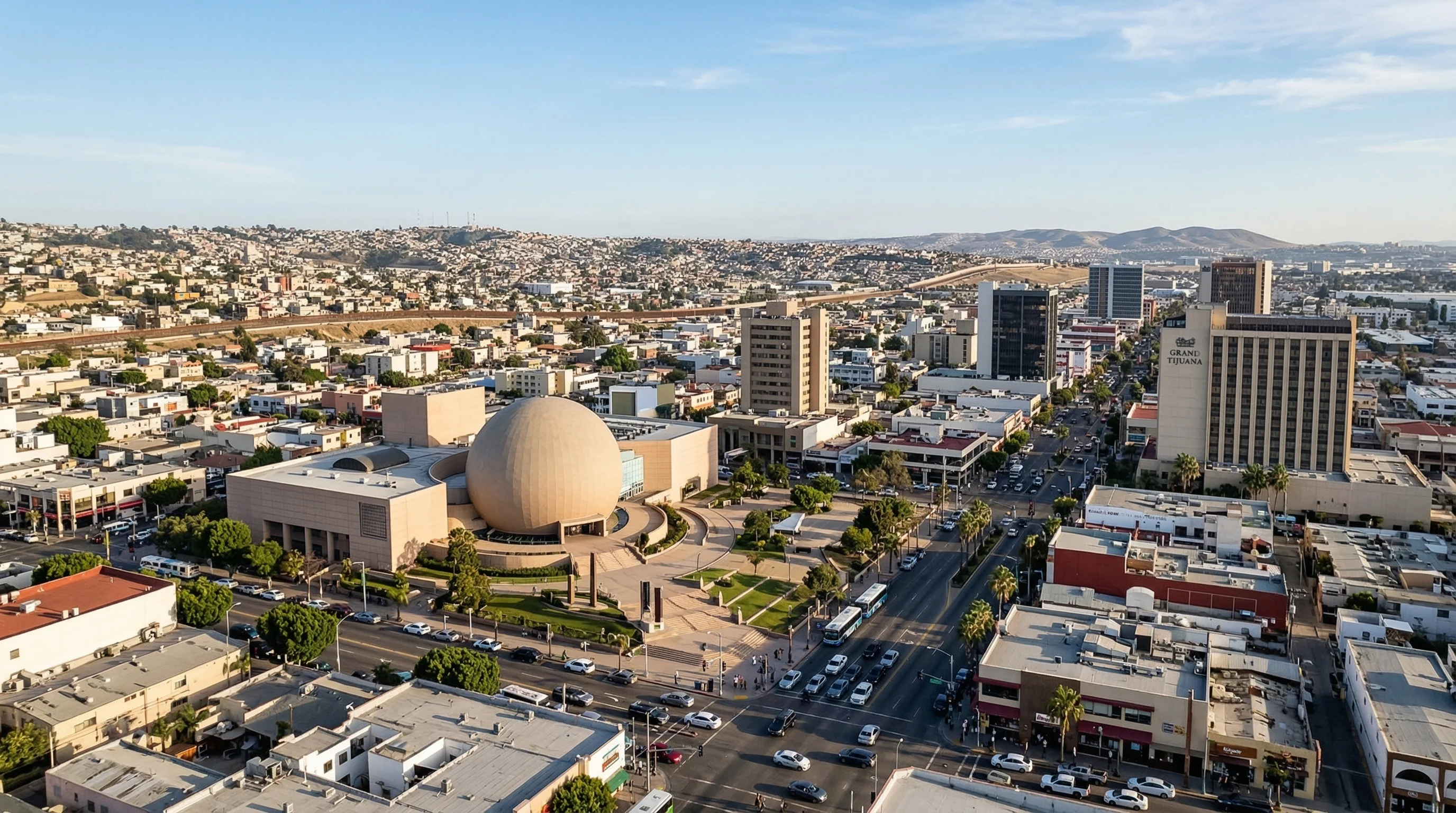
Tijuana
Tijuana's strategic location on the US-Mexico border makes it a critical logistics and manufacturing center, particularly for companies serving both North American markets. The city's proximity to San Diego provides seamless integration with US transportation networks, while its industrial parks house numerous maquiladoras and manufacturing facilities. Tijuana's infrastructure includes the Tijuana International Airport, major highway connections to the US border, and the Port of Ensenada for maritime freight. The city's specialization in medical device manufacturing, electronics assembly, and automotive components creates a robust demand for cross-border freight services, with many companies requiring just-in-time delivery and specialized handling for sensitive cargo.










