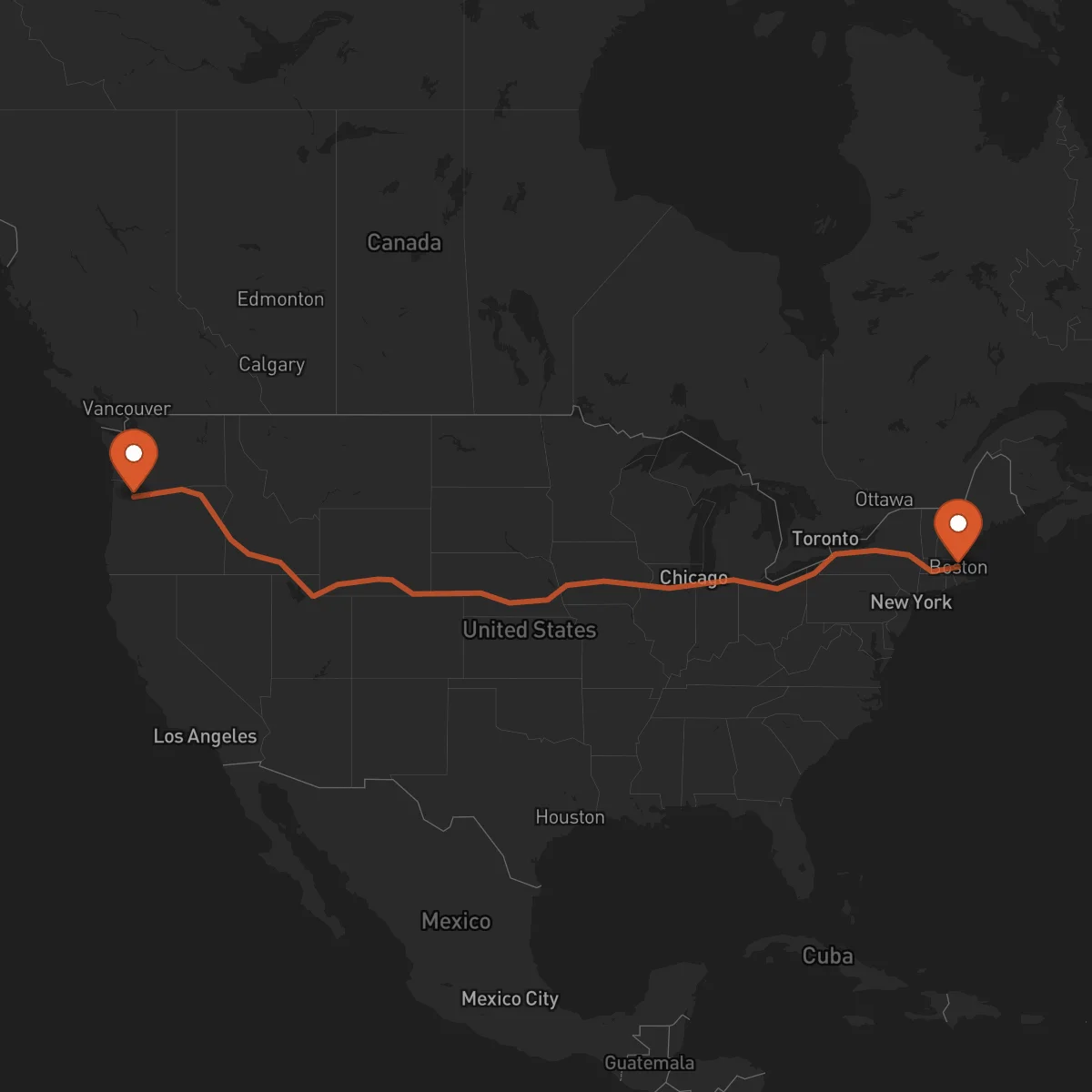
Boston to Portland
Portland → BostonFTL freight transportation service between Boston and Portland. Reliable logistics solutions for your business.
Route Description
Everything you need to know about the corridor Boston - Portland
The Boston-Portland corridor represents one of the most significant domestic freight transportation routes in the United States, connecting the historic East Coast with the dynamic Pacific Northwest. This extensive corridor spans over 4,000 kilometers, traversing diverse landscapes and connecting major industrial and commercial centers. The route facilitates the movement of goods between two of America's most influential economic regions, supporting a complex network of supply chains that drive the national economy.
The transportation infrastructure along this corridor is robust, primarily utilizing Interstate 90 and Interstate 84, which provide efficient connectivity between the two cities. These major highways offer reliable transit options for full truckload (FTL) freight, with multiple rest areas, truck stops, and maintenance facilities strategically positioned along the route. The corridor passes through key states including Massachusetts, New York, Pennsylvania, Ohio, Indiana, Illinois, Wisconsin, Minnesota, South Dakota, Wyoming, and Oregon, each contributing to the economic vitality of this transportation artery.
Control Terrestre facilitates seamless operations on this corridor through our extensive network of certified transportation providers. Our expertise in full truckload services ensures that cargo moves efficiently between Boston and Portland, whether it's manufacturing equipment, retail inventory, or specialized freight. We understand the unique challenges of this long-haul route and provide dedicated solutions that optimize transit times while maintaining the highest standards of cargo security and safety.
Services for this Route
Available services for the corridor Boston - Portland
 Origin
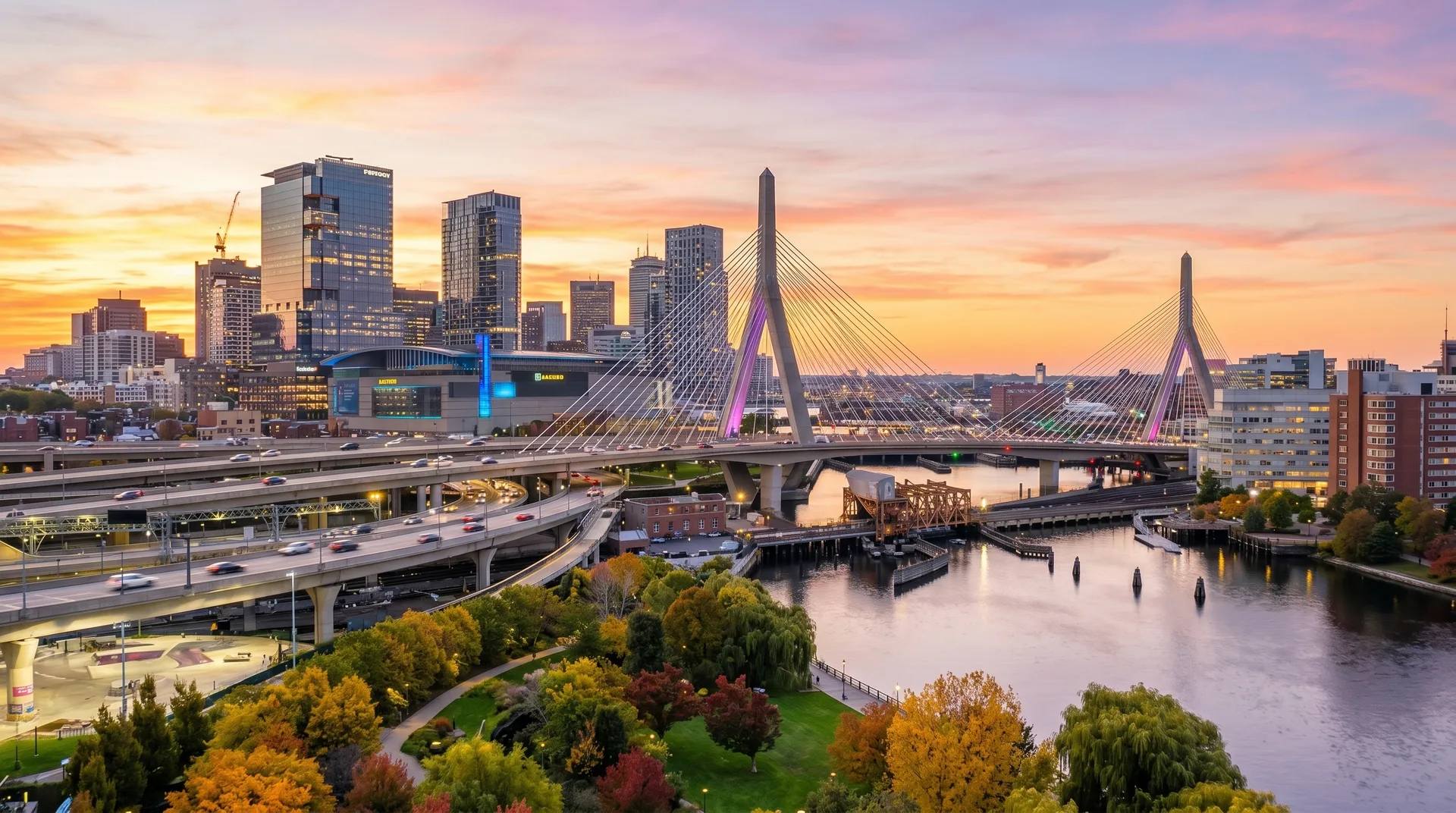
Boston
Boston serves as a critical logistics hub on the East Coast, leveraging its strategic coastal location and proximity to major Northeast markets. The city's Logan International Airport and Port of Boston provide multimodal transportation options, while its extensive highway network connects to major interstates. Boston's economy is driven by education, healthcare, technology, and financial services, with a growing manufacturing and biotechnology sector that requires reliable freight transportation solutions.
The city's transportation infrastructure includes Interstate 90 (Massachusetts Turnpike) and Interstate 93, providing direct access to the national highway system. Boston's logistics ecosystem benefits from its proximity to other major Northeast cities, creating a dense network of distribution centers and warehouses. The region's skilled workforce and technological innovation make it an ideal origin point for high-value, time-sensitive freight shipments heading west across the country.
 Destination
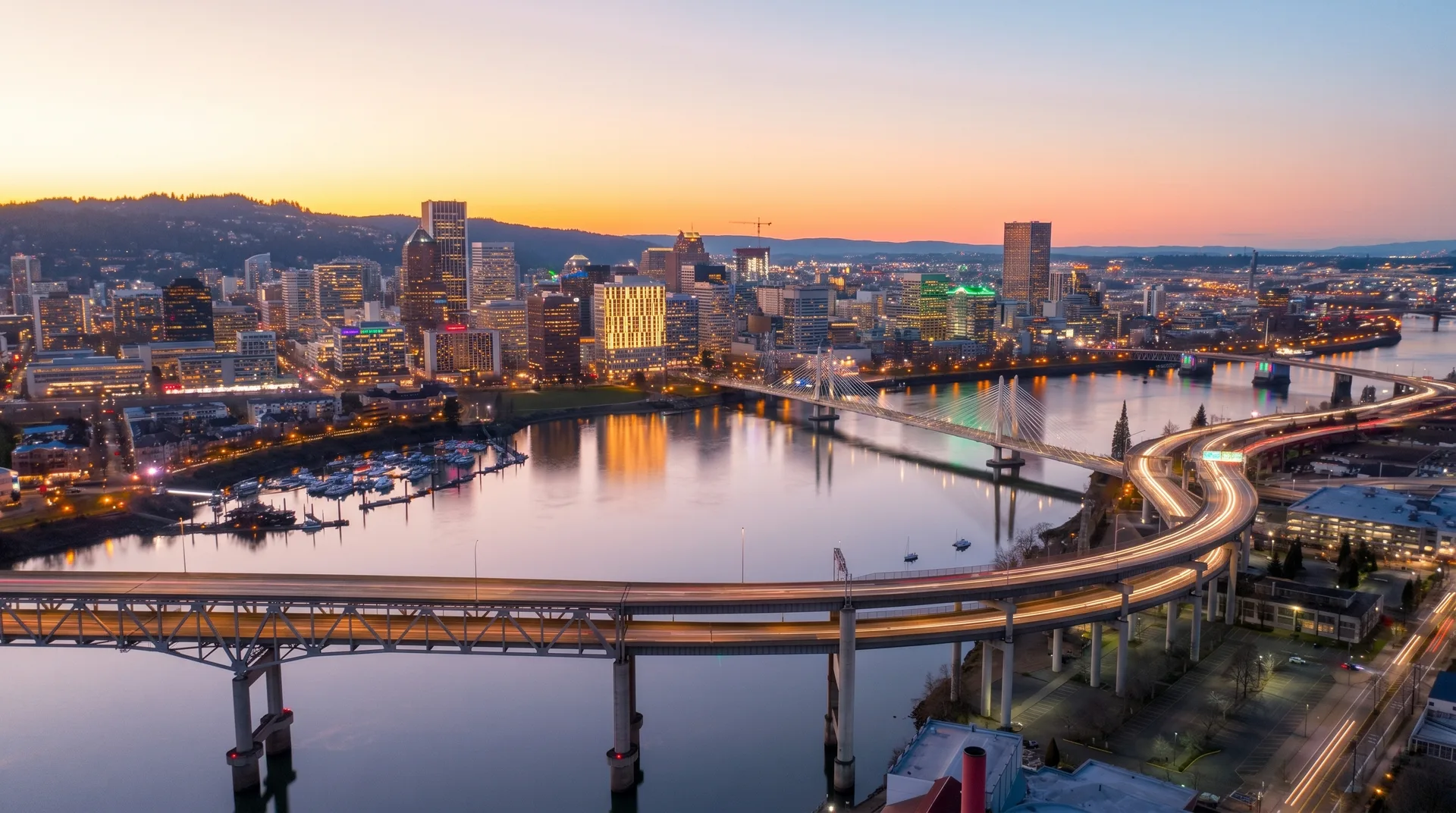
Portland
Portland stands as a vital logistics gateway to the Pacific Northwest, strategically positioned at the confluence of the Willamette and Columbia Rivers. The city's Port of Portland and Portland International Airport create a multimodal transportation hub that connects the region to global markets. Portland's economy is diverse, with strong sectors in technology, manufacturing, agriculture, and outdoor recreation industries, all requiring efficient freight transportation solutions.
The city's transportation infrastructure includes Interstate 5 and Interstate 84, providing direct connections to major West Coast markets and the broader national highway system. Portland's location offers unique advantages for companies seeking to reach both coastal and inland destinations in the Pacific Northwest. The region's commitment to sustainability and green logistics aligns with modern supply chain requirements, making it an attractive destination for companies focused on environmental responsibility.










