
Boston to Managua
Managua → BostonFTL freight transportation service between Boston and Managua. Reliable logistics solutions for your business.
Route Description
Everything you need to know about the corridor Boston - Managua
The Boston-Managua corridor represents a vital logistics connection between the northeastern United States and Central America's largest country. This cross-border route spans approximately 3,669 kilometers, linking one of America's most important industrial and technological hubs with Nicaragua's capital and economic center. The corridor facilitates the movement of goods between two distinct economic regions, supporting trade relationships that benefit both nations.
The route traverses diverse terrain and crosses multiple international borders, requiring specialized logistics expertise to navigate customs procedures and regulatory requirements. Control Terrestre's extensive network of certified carriers ensures seamless freight transportation along this corridor, with strategic partnerships that guarantee reliable service from origin to destination. Our providers' certifications including C-TPAT and FAST streamline cross-border operations, reducing transit times and enhancing security.
This corridor serves industries ranging from manufacturing and technology to agricultural products and consumer goods. The route primarily utilizes major interstate highways connecting Boston to southern ports and border crossings, then continues through Mexico and Central America via established trade routes. Control Terrestre's dedicated FTL services provide exclusive use of equipment, ensuring your cargo moves directly without stops or transfers, maintaining the integrity and security of your shipments throughout the entire journey.
Services for this Route
Available services for the corridor Boston - Managua
 Origin
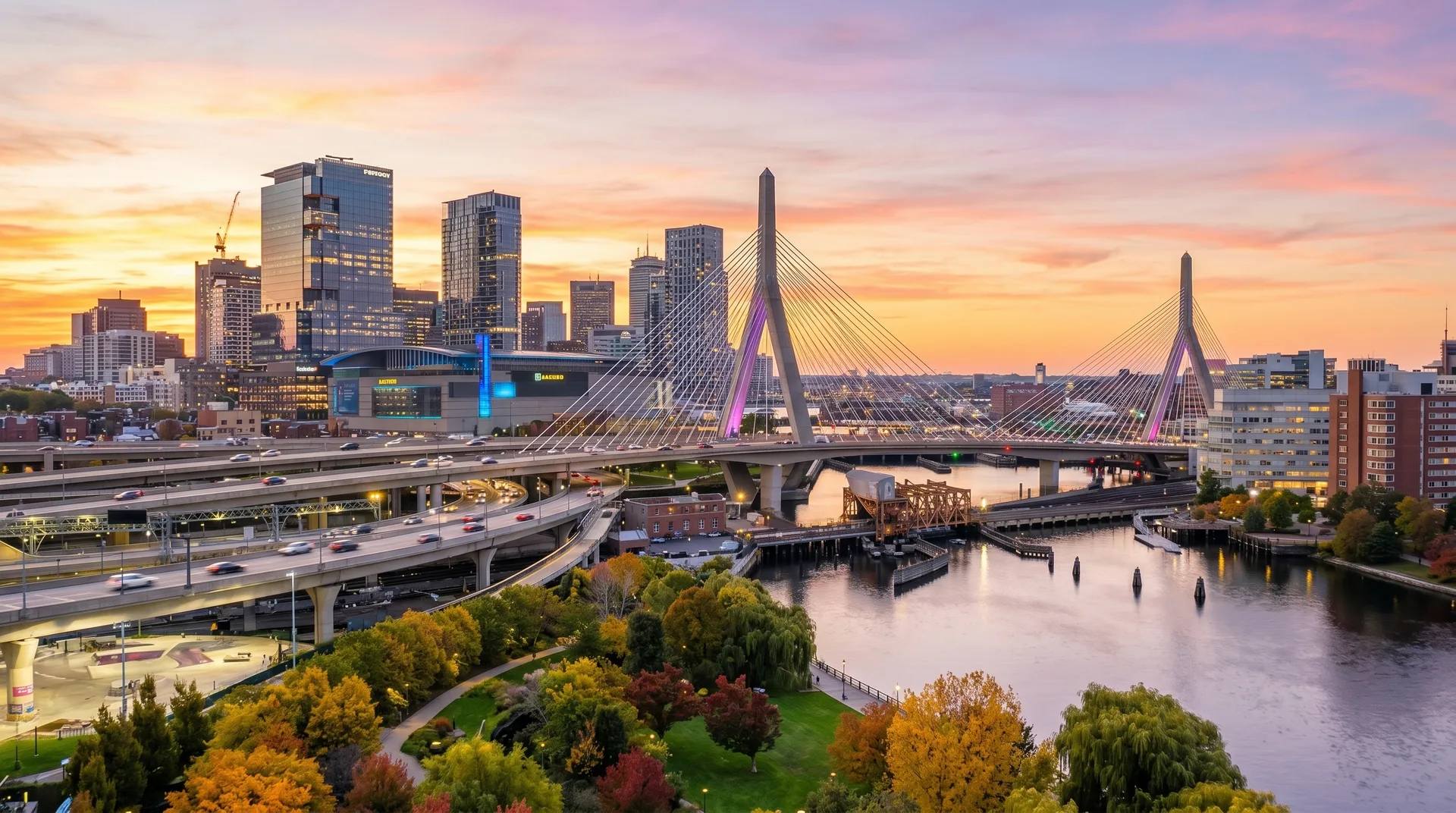
Boston
Boston stands as a major logistics hub on the northeastern coast of the United States, offering strategic access to both domestic and international markets. The city's location provides excellent connectivity through the Port of Boston, Logan International Airport, and an extensive network of interstate highways including I-90 and I-95. Boston's economy is driven by technology, education, healthcare, biotechnology, and financial services, creating consistent demand for freight transportation services. The region's advanced infrastructure supports efficient cargo movement, with modern warehousing facilities and distribution centers strategically located throughout the metropolitan area.
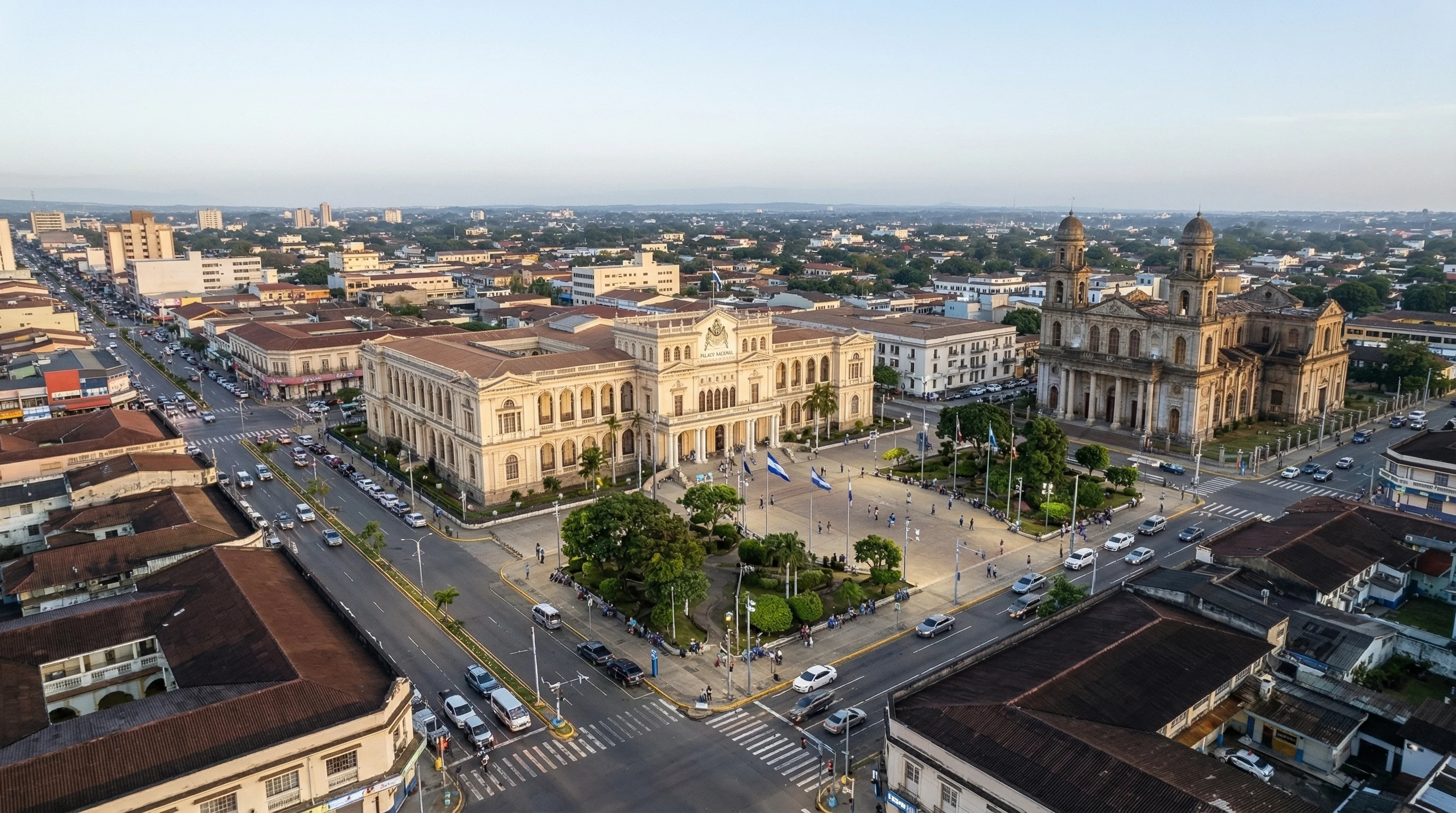 Destination
Managua serves as Nicaragua's primary economic center and gateway for international trade, located in the country's central region with access to both Pacific and Atlantic trade routes. The city's strategic position makes it an ideal distribution point for goods throughout Central America. Nicaragua's economy relies heavily on agriculture, textiles, and manufacturing, with growing sectors in technology and services. The capital features developing logistics infrastructure including the Augusto C. Sandino International Airport and access to major highways connecting to neighboring countries. Managua's central location facilitates distribution throughout the region, making it a crucial point for cross-border freight operations.










