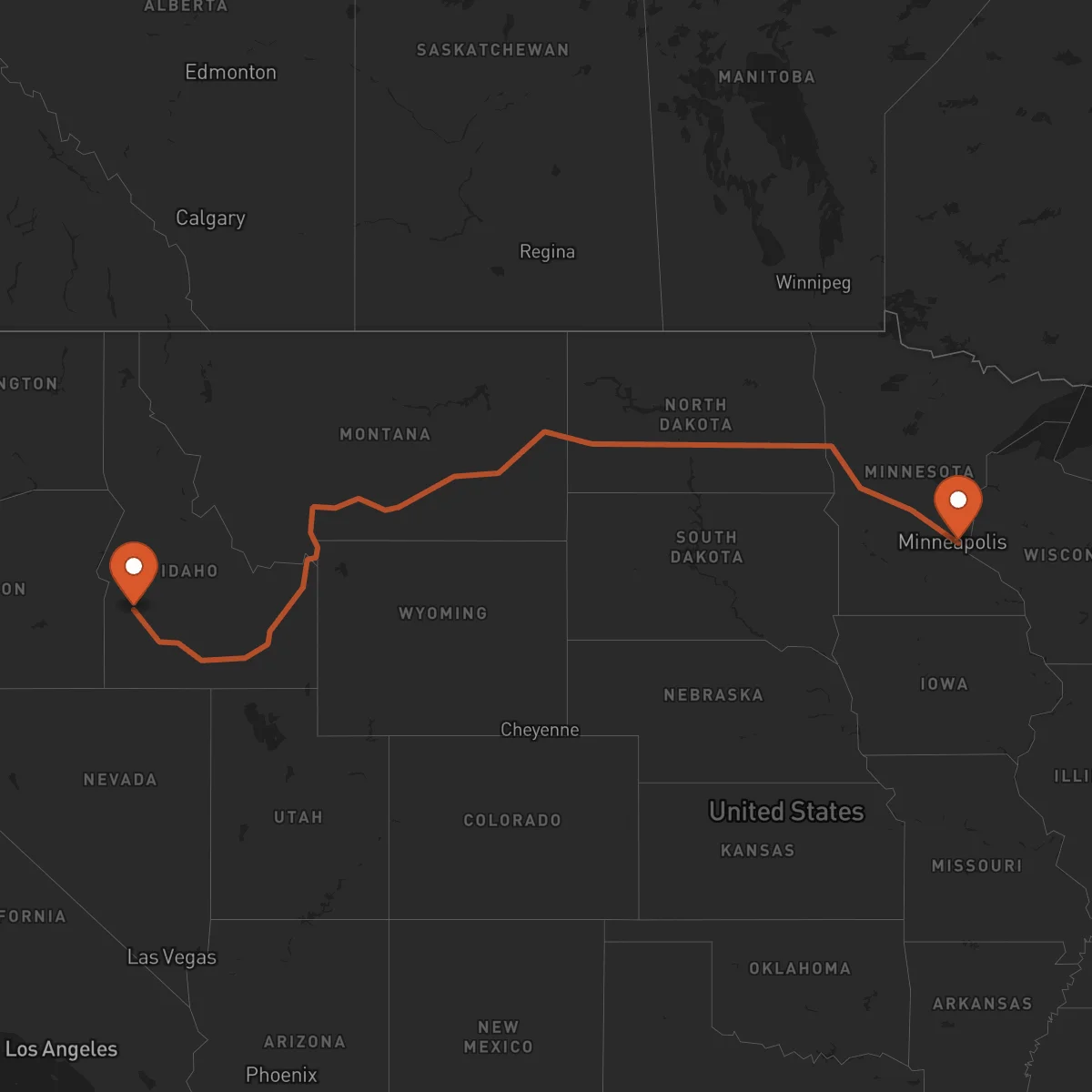
Boise to Saint Paul
Saint Paul → BoiseFTL freight transportation service between Boise and Saint Paul. Reliable logistics solutions for your business.
Route Description
Everything you need to know about the corridor Boise - Saint Paul
The freight transportation corridor between Boise, Idaho, and Saint Paul, Minnesota, represents a vital logistics link spanning approximately 1,840 kilometers across the American Midwest. This domestic route connects the Rocky Mountain region with the Upper Midwest, facilitating the movement of goods between two economically significant metropolitan areas. The corridor traverses diverse terrain and multiple states, requiring specialized knowledge of regional regulations and optimal routing strategies.
The route primarily utilizes Interstate 90 and Interstate 94, two of the most important freight corridors in the United States. These highways provide reliable access through Montana, Wyoming, and the Dakotas before reaching Minnesota. The infrastructure along this path is well-maintained and designed to handle heavy freight traffic, with numerous truck stops, weigh stations, and maintenance facilities strategically positioned to support the logistics industry.
This corridor serves a diverse range of industries including agriculture, manufacturing, technology, and retail distribution. Boise's growing tech sector and agricultural exports complement Saint Paul's manufacturing base and distribution networks. Companies along this route benefit from the ability to move full truckloads efficiently between these complementary economic regions.
Control Terrestre specializes in optimizing freight movements along this corridor, leveraging our extensive network of certified carriers and deep understanding of regional logistics requirements. Our expertise ensures that shipments move seamlessly from origin to destination, with real-time tracking and dedicated support throughout the journey.
Services for this Route
Available services for the corridor Boise - Saint Paul
 Origin
Boise
Boise, Idaho, serves as a strategic logistics hub in the Pacific Northwest, positioned at the crossroads of major transportation routes connecting the western United States. The city's location provides access to both coastal ports and inland distribution networks, making it an ideal origin point for freight shipments. Boise's growing economy is driven by technology, agriculture, and manufacturing sectors, creating consistent demand for reliable freight transportation services.
The city benefits from excellent transportation infrastructure, including Interstate 84, which connects directly to major freight corridors heading east. Boise International Airport and the nearby Port of Lewiston provide additional multimodal options for shippers. The region's logistics providers are well-equipped to handle various freight types, from agricultural products to high-tech equipment, ensuring efficient movement of goods to destinations nationwide.
 Destination
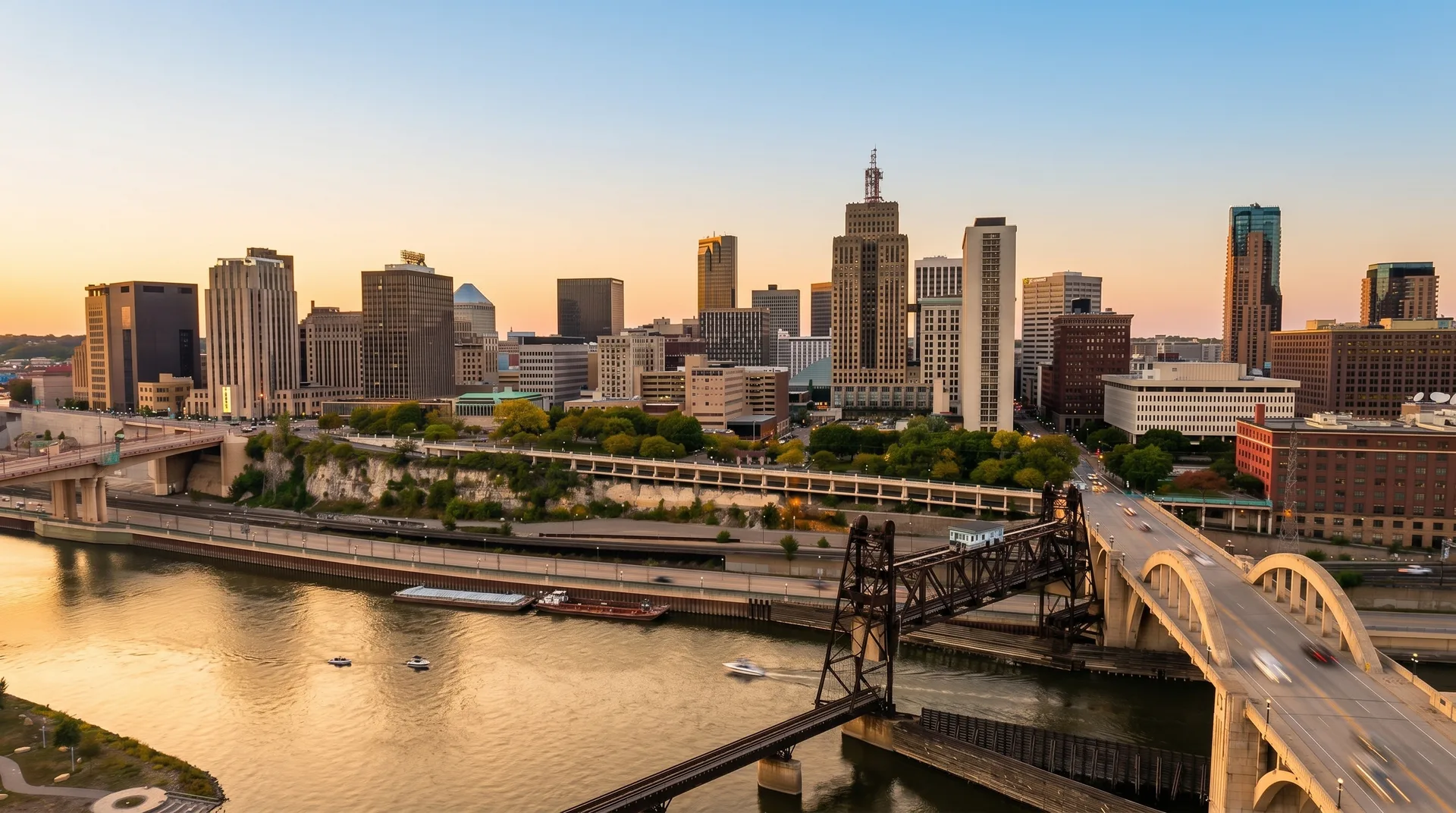
Saint Paul
Saint Paul, Minnesota, stands as a crucial logistics center in the Upper Midwest, offering exceptional connectivity to major markets across the northern United States. The city's strategic location provides access to the Great Lakes shipping routes, extensive rail networks, and a comprehensive highway system. As part of the Minneapolis-Saint Paul metropolitan area, it serves as a major distribution point for goods moving throughout the region.
The area's strong manufacturing base, particularly in medical devices, food processing, and machinery, creates consistent demand for inbound and outbound freight services. Saint Paul benefits from its proximity to major transportation hubs, including the Port of Duluth and extensive rail connections. The city's logistics infrastructure includes modern warehousing facilities, cross-docking operations, and a skilled workforce experienced in handling complex supply chain requirements.










