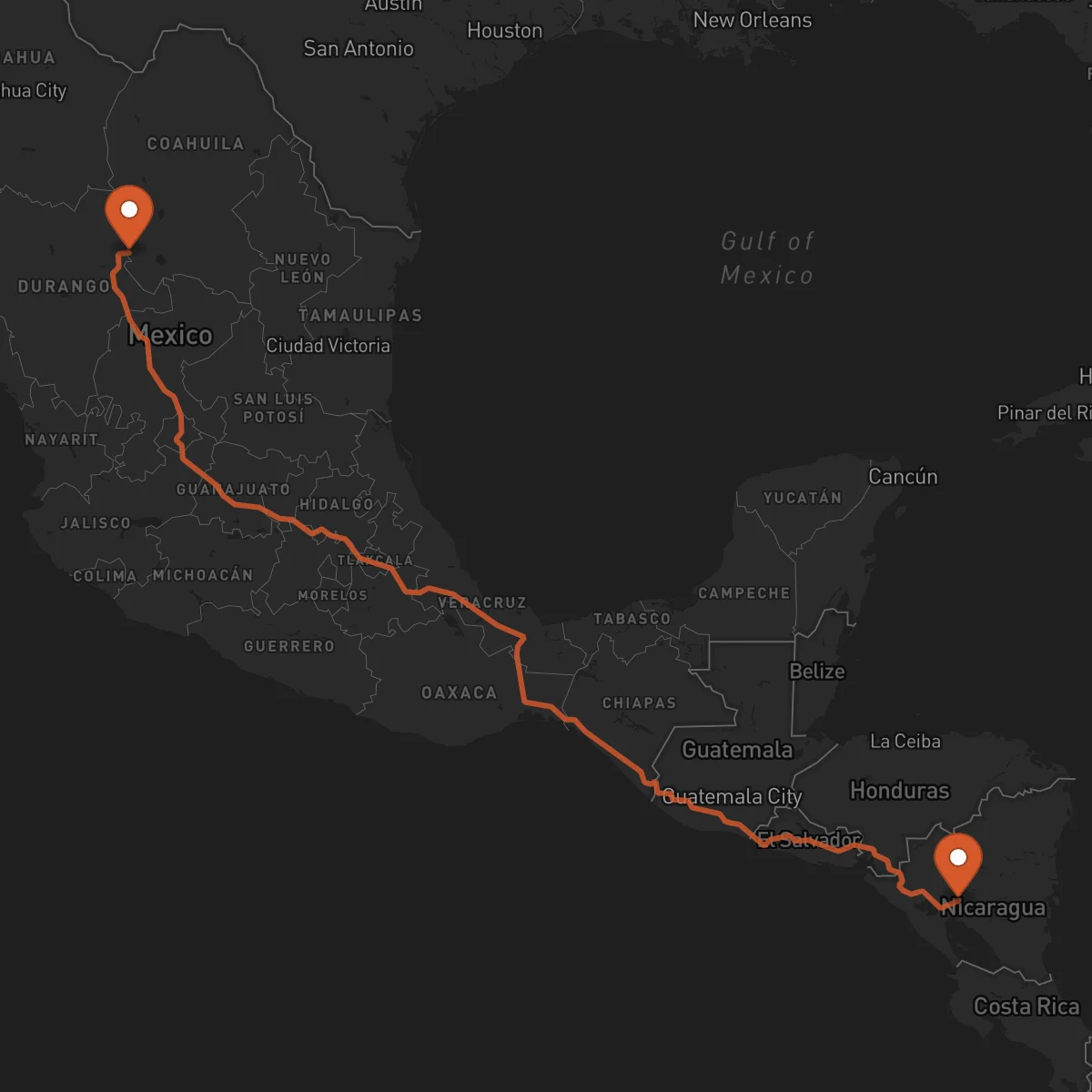
Boaco to Torreón
Torreón → BoacoFTL freight transportation service between Boaco and Torreón. Reliable logistics solutions for your business.
Route Description
Everything you need to know about the corridor Boaco - Torreón
The logistics corridor between Boaco, Nicaragua and Torreón, Mexico spans approximately 2,360 kilometers, connecting the productive heartland of Nicaragua's central highlands with one of northern Mexico's most dynamic industrial hubs. This cross-border route serves as a vital trade link for companies seeking to move full truckload freight across Central America and into the North American market. The corridor traverses multiple countries, requiring careful coordination of customs procedures, documentation, and carrier management at each border crossing.
Boaco, located in Nicaragua's central region, is an area with growing agricultural and livestock production, while Torreón in Coahuila stands as a major industrial and manufacturing center with strong connections to the U.S. border. The main industries utilizing this corridor include agriculture, textiles, automotive parts, and general manufacturing goods. Key highways along this route include Nicaragua's primary road network connecting through Honduras and Guatemala before reaching Mexico's Federal Highway system, particularly routes leading into the Comarca Lagunera region.
Border crossings along this corridor require proper documentation and compliance with customs regulations in each country. Companies must ensure their shipments meet all requirements for international freight movement, including proper commercial invoices, bills of lading, and any necessary permits for the cargo being transported. The complexity of multi-country transit makes experienced logistics coordination essential for smooth operations.
At Control Terrestre, we facilitate operations on this corridor through our alliance of experienced transportation providers with certifications including C-TPAT, FAST, and BASC. We offer full truckload (FTL) services with equipment options including 48' and 53' dry vans, refrigerated units, and flatbeds. Our team manages the coordination of cross-border freight transportation, ensuring your cargo moves efficiently from origin to destination with dedicated service throughout the journey.
Services for this Route
Available services for the corridor Boaco - Torreón
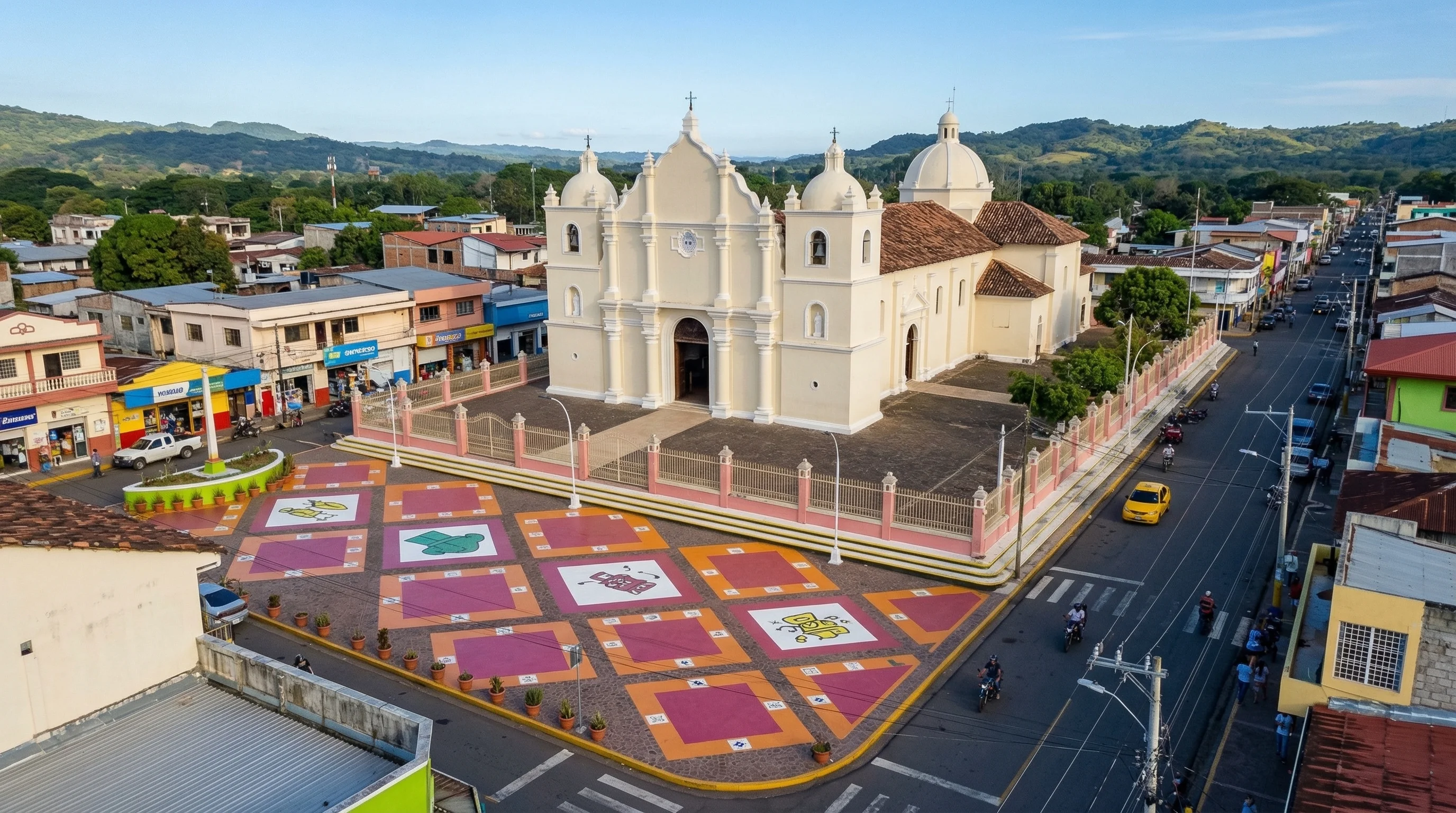 Origin
Boaco is the capital of the Boaco department in central Nicaragua, strategically positioned within the country's agricultural and livestock production zone. The region's main economic sectors include cattle ranching, dairy farming, and crop production, particularly beans, corn, and coffee. These industries generate consistent freight transportation needs for moving goods to domestic markets and export destinations.
The transportation infrastructure in Boaco connects to Nicaragua's primary highway network, providing access to major routes heading north toward the Hondan border and ultimately the broader Central American trade corridors. The region's road connections allow for efficient consolidation of freight before entering the international transit process. Companies shipping from Boaco benefit from experienced logistics partners who understand the local infrastructure and can optimize loading and dispatch operations.
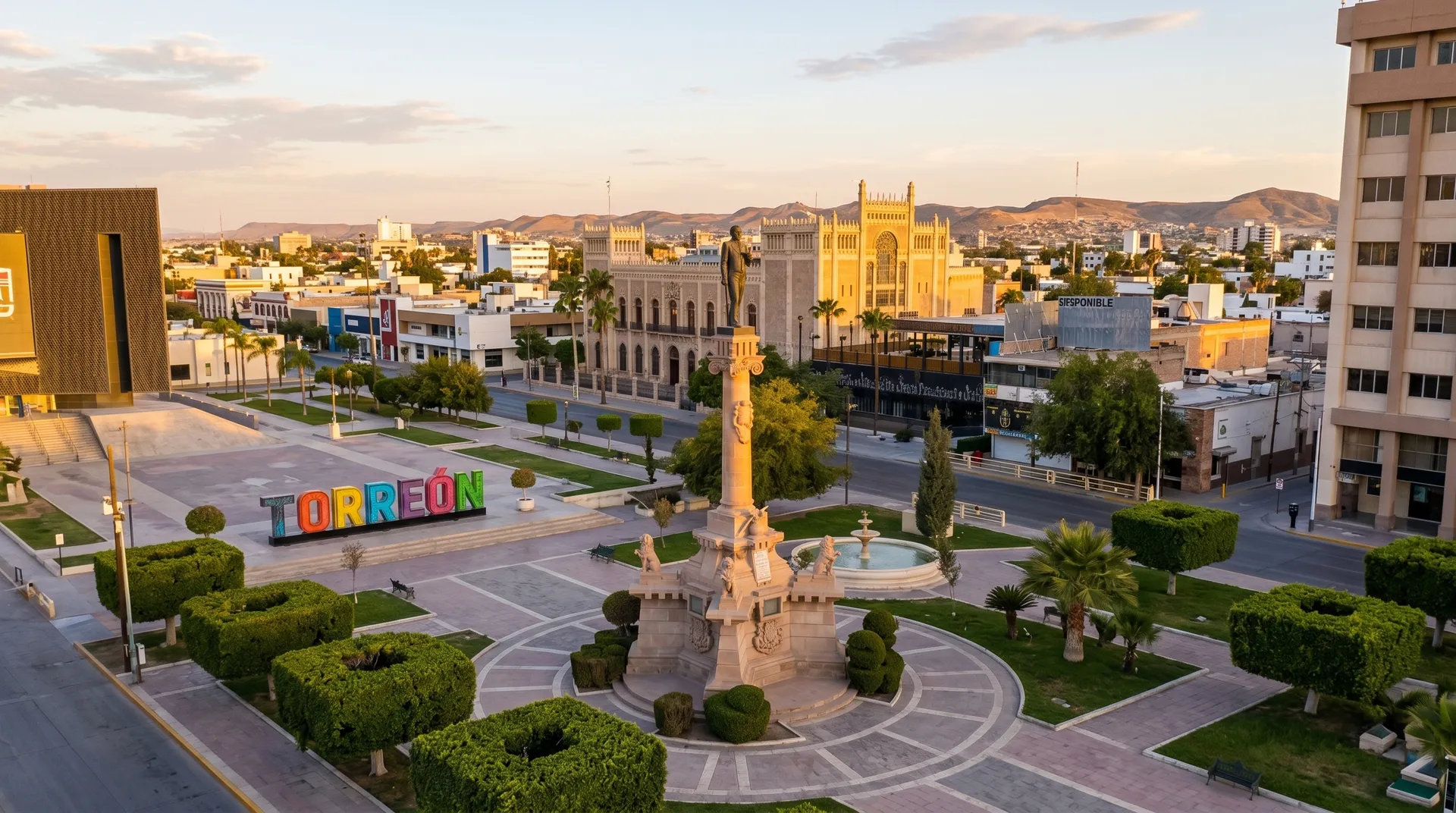 Destination
Torreón, located in the state of Coahuila in northern Mexico, is a key industrial and logistics hub within the Comarca Lagunera metropolitan area. The city's main industries include automotive manufacturing, steel production, textiles, and agriculture, particularly cotton and dairy products. Its proximity to major U.S. border crossings makes it a strategic destination for cross-border freight operations.
Torreón's transportation infrastructure is well-developed, with access to Mexico's federal highway system and rail connections that link to border cities such as Ciudad Juárez and Piedras Negras. The region's industrial parks and distribution centers support efficient cargo handling and final delivery. Companies receiving freight at Torreón benefit from the city's established logistics networks and its role as a gateway for goods entering the broader North American market.










