
Boaco to Saint Paul
Saint Paul → BoacoFTL freight transportation service between Boaco and Saint Paul. Reliable logistics solutions for your business.
Route Description
Everything you need to know about the corridor Boaco - Saint Paul
The logistics corridor connecting Boaco, Nicaragua to Saint Paul, Minnesota represents a vital cross-border transportation route spanning approximately 3,680 kilometers through Central America and into the United States. This corridor serves as a critical link between Central American manufacturing and agricultural sectors with North American distribution networks. The route traverses diverse terrain and crosses multiple international borders, requiring expert coordination and specialized knowledge of customs procedures. Control Terrestre's extensive experience in cross-border operations ensures seamless freight movement through this complex corridor, managing everything from documentation requirements to regulatory compliance at each border crossing.
Services for this Route
Available services for the corridor Boaco - Saint Paul
 Origin
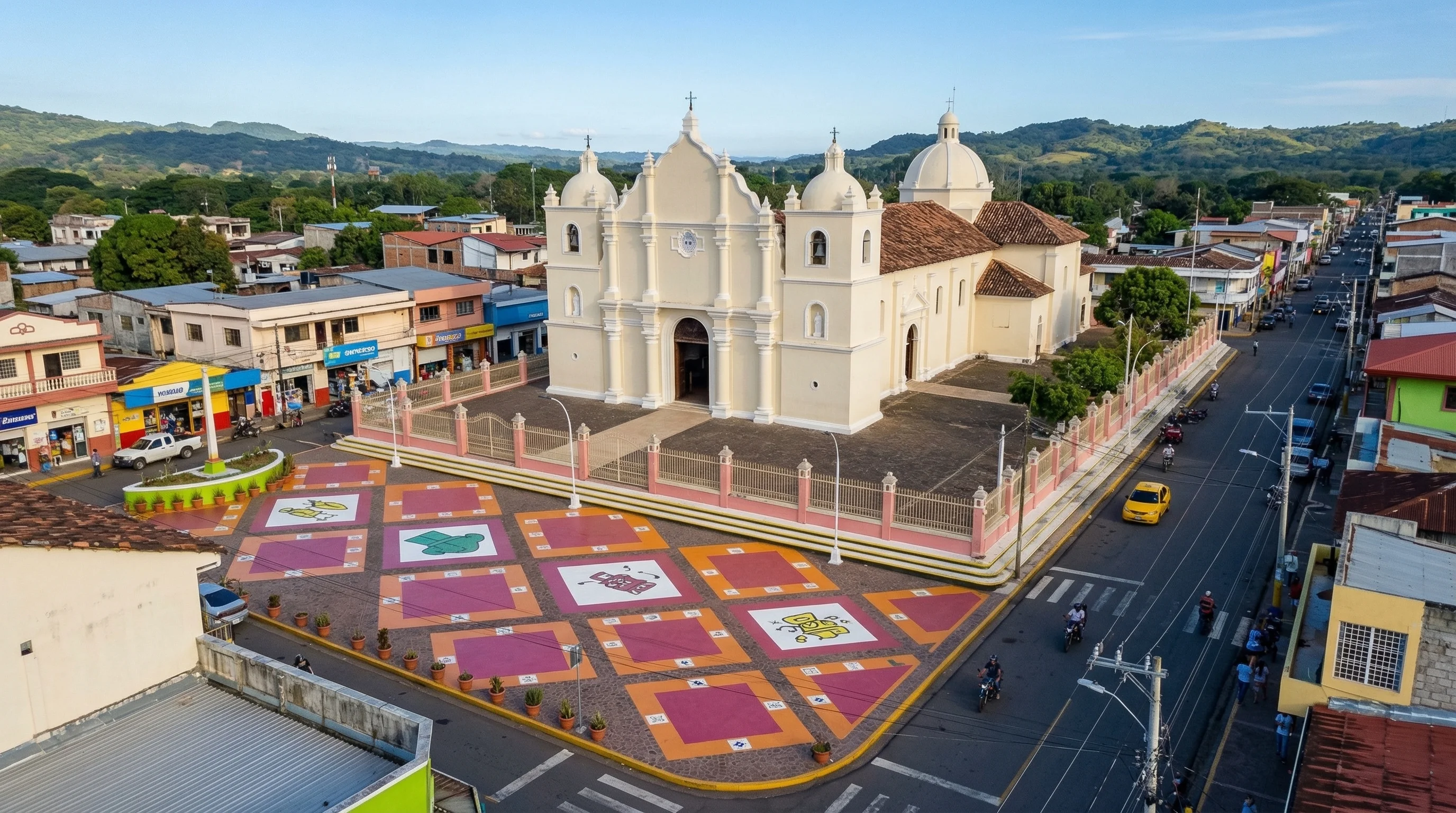
Boaco, located in central Nicaragua, serves as a strategic logistics hub for the country's agricultural and manufacturing sectors. The city's location provides access to major highways connecting to Pacific ports and neighboring countries. Boaco's economy is driven by agriculture, including coffee, tobacco, and dairy production, along with light manufacturing industries. The region benefits from improving transportation infrastructure, including paved roads connecting to the Pan-American Highway, facilitating efficient freight movement to international markets.
 Destination
Saint Paul
Saint Paul, Minnesota stands as a major logistics and distribution center in the Upper Midwest United States. The city's strategic location at the intersection of major interstate highways (I-35, I-94, and I-90) provides excellent connectivity to national markets. Saint Paul's economy encompasses diverse industries including food processing, medical technology, and advanced manufacturing. The metropolitan area features extensive warehousing and distribution facilities, along with robust intermodal transportation options connecting to rail networks and the Mississippi River for additional shipping alternatives.










