
Bismarck to Liberia
Liberia → BismarckFTL freight transportation service between Bismarck and Liberia. Reliable logistics solutions for your business.
Route Description
Everything you need to know about the corridor Bismarck - Liberia
The logistics corridor connecting Bismarck, North Dakota, to Liberia, Costa Rica, represents a vital cross-border transportation route spanning approximately 4,274 kilometers. This corridor links the industrial heartland of the American Midwest with the growing economic hub of northwestern Costa Rica, facilitating the movement of diverse cargo types between North and Central America. The route traverses multiple states and countries, requiring expert coordination to ensure seamless freight movement across international borders.
The corridor's strategic importance stems from the complementary economic activities of both regions. Bismarck serves as a key distribution center for agricultural products, manufacturing goods, and energy-related materials, while Liberia functions as a critical gateway to Costa Rica's tourism industry and agricultural exports. The route passes through major transportation hubs including Kansas City, Dallas, and Mexico City, utilizing a combination of interstate highways and international routes that connect seamlessly across borders.
Control Terrestre specializes in managing the complexities of this cross-border corridor, providing comprehensive FTL services that ensure your cargo moves efficiently from origin to destination. Our experienced team handles all customs documentation, border clearance procedures, and regulatory compliance requirements, eliminating the administrative burden for our clients. We coordinate with trusted transportation partners throughout the journey, maintaining consistent communication and providing real-time tracking to ensure your freight arrives safely and on schedule.
Services for this Route
Available services for the corridor Bismarck - Liberia
 Origin
Bismarck
Bismarck, the capital city of North Dakota, serves as a strategic logistics hub in the American Midwest. Located along the Missouri River, Bismarck offers excellent connectivity through Interstate 94, which provides direct access to major markets in both the eastern and western United States. The city's central location makes it an ideal origin point for freight distribution across the North American continent. Bismarck's economy is anchored by government services, healthcare, and retail, but also benefits from significant agricultural activity in the surrounding region, including grain production and livestock operations.
The city's transportation infrastructure includes the Bismarck Municipal Airport for air freight, the BNSF Railway for rail cargo, and a well-developed road network that connects to major interstate highways. The Port of Bismarck on the Missouri River provides additional multimodal transportation options, particularly for bulk commodities and oversized equipment. Local warehousing and distribution facilities support the efficient handling of freight destined for international markets, making Bismarck an excellent starting point for cross-border shipments to Central America.
 Destination
Liberia
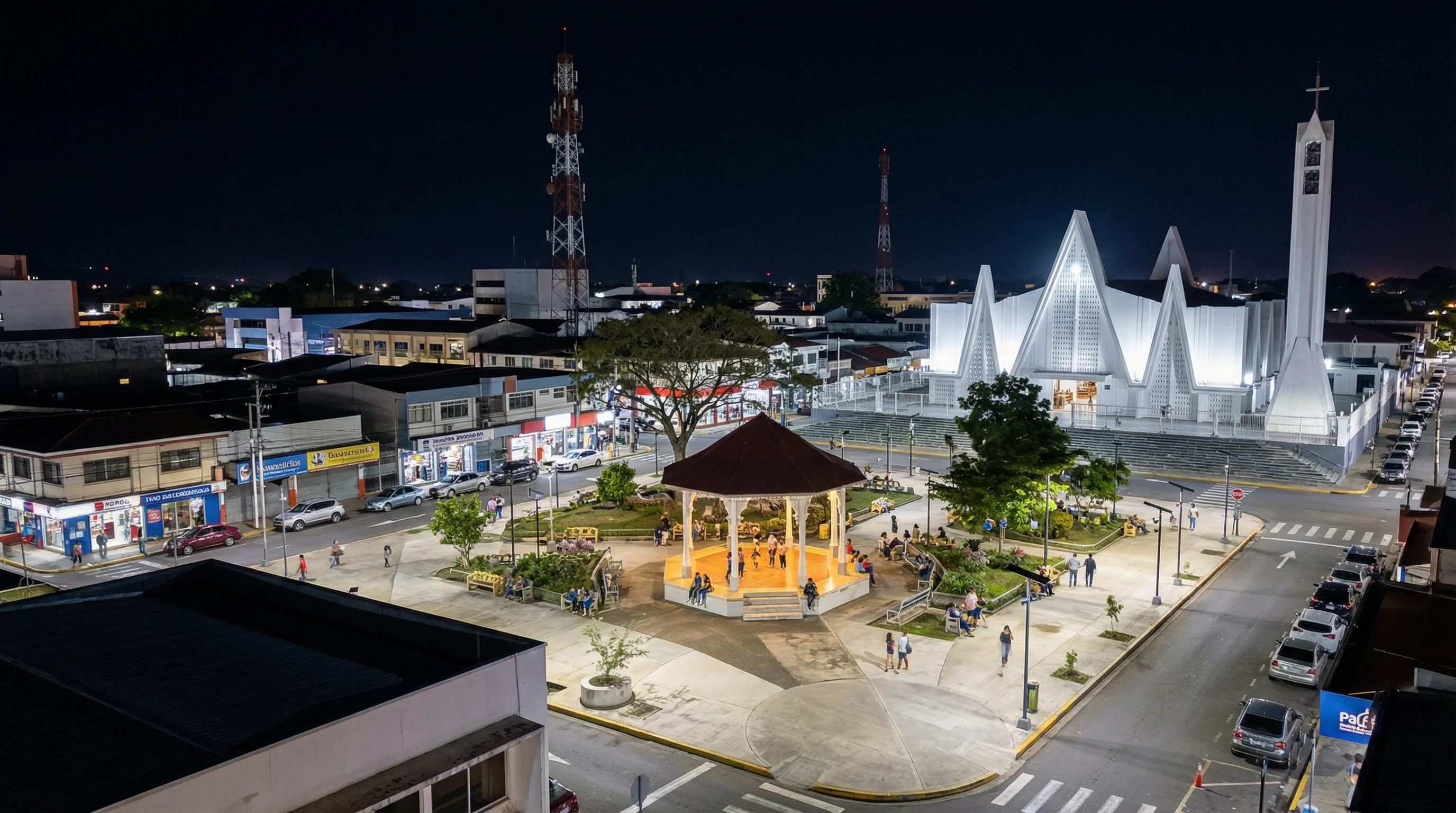
Liberia, located in the Guanacaste province of Costa Rica, serves as a crucial logistics gateway to the country's northwestern region and beyond. As the capital of Guanacaste, Liberia provides strategic access to Costa Rica's growing tourism industry, agricultural exports, and manufacturing sectors. The city's Daniel Oduber Quirós International Airport offers air cargo services, while the well-maintained road network connects Liberia to major ports and border crossings. Liberia's proximity to the Nicaraguan border also makes it an important transshipment point for regional trade.
The region surrounding Liberia is characterized by significant agricultural production, including cattle ranching, sugarcane, and tropical fruits. The growing tourism industry, centered around nearby beaches and natural attractions, drives demand for imported goods and equipment. Liberia's infrastructure includes modern warehousing facilities and distribution centers that support efficient cargo handling. The city's location provides relatively quick access to Pacific ports for ocean freight connections, making it an ideal destination for cross-border shipments arriving from North America.










