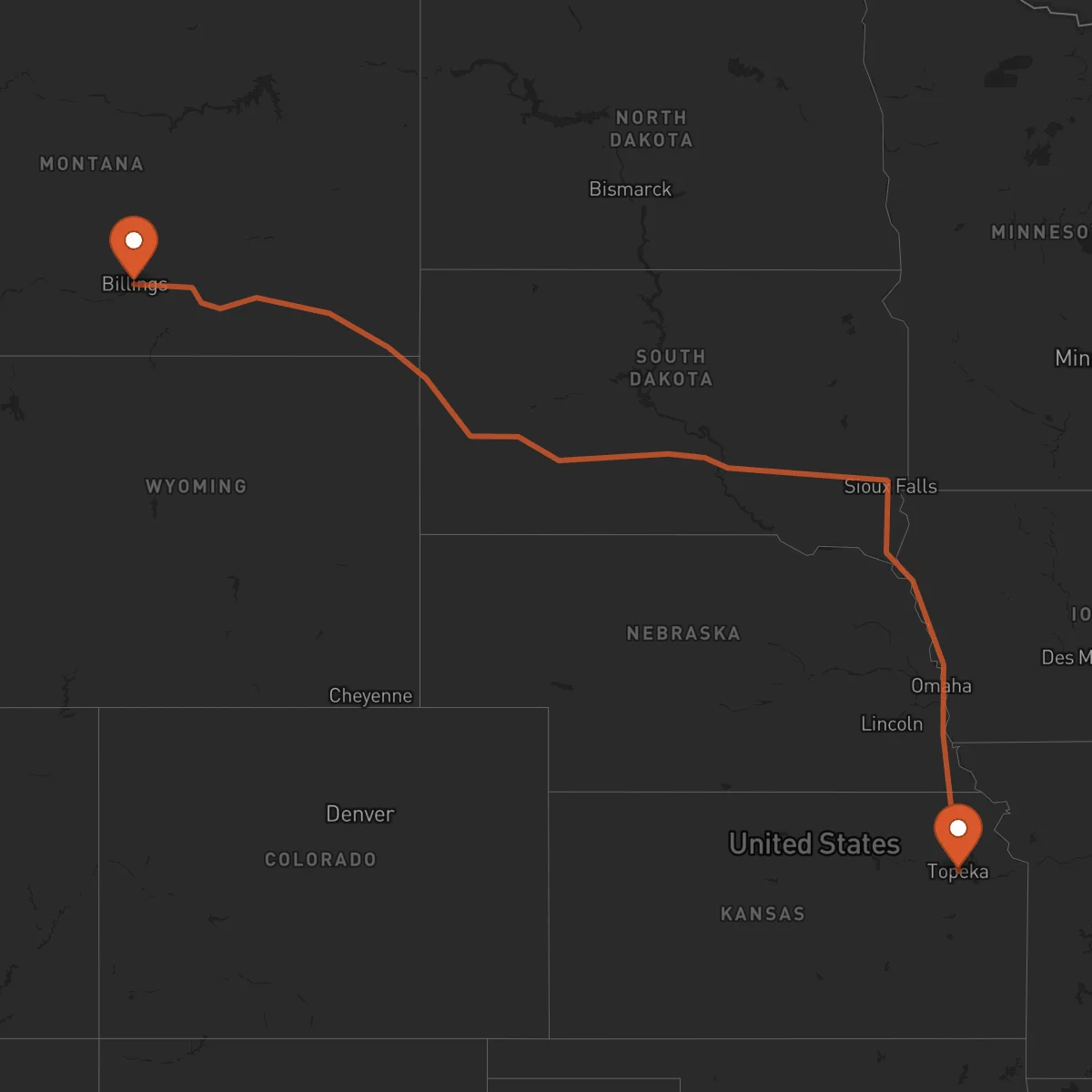
Billings to Topeka
Topeka → BillingsFTL freight transportation service between Billings and Topeka. Reliable logistics solutions for your business.
Route Description
Everything you need to know about the corridor Billings - Topeka
The Billings to Topeka corridor represents a vital logistics route connecting the industrial heart of Montana with the agricultural and manufacturing center of Kansas. This 1,290 km domestic corridor traverses diverse terrain across the American Midwest, serving as a critical link for freight movement between the Northern Rockies and the Central Plains. The route facilitates the efficient transport of goods between two states with complementary economic profiles, where Montana's resource extraction and agricultural output meets Kansas's manufacturing and food processing industries.
The corridor's strategic importance is amplified by its connection to major interstate highways, including I-90 and I-94 westbound from Billings, transitioning to I-70 eastbound toward Topeka. This infrastructure supports the movement of diverse cargo types, from Montana's wheat, barley, and beef products to Kansas's aircraft components, machinery, and processed foods. The route serves as a backbone for regional supply chains, enabling just-in-time inventory management and supporting the economic vitality of both states.
Control Terrestre specializes in optimizing freight operations along this corridor through our network of certified transportation providers. Our full truckload (FTL) services ensure dedicated capacity for your shipments, eliminating the delays and handling risks associated with consolidated freight. We provide real-time tracking, temperature-controlled options for sensitive cargo, and specialized equipment for oversized or hazardous materials. Our experienced logistics team coordinates seamless door-to-door delivery, navigating the complexities of interstate transport to deliver your freight safely and efficiently between Billings and Topeka.
Services for this Route
Available services for the corridor Billings - Topeka
 Origin
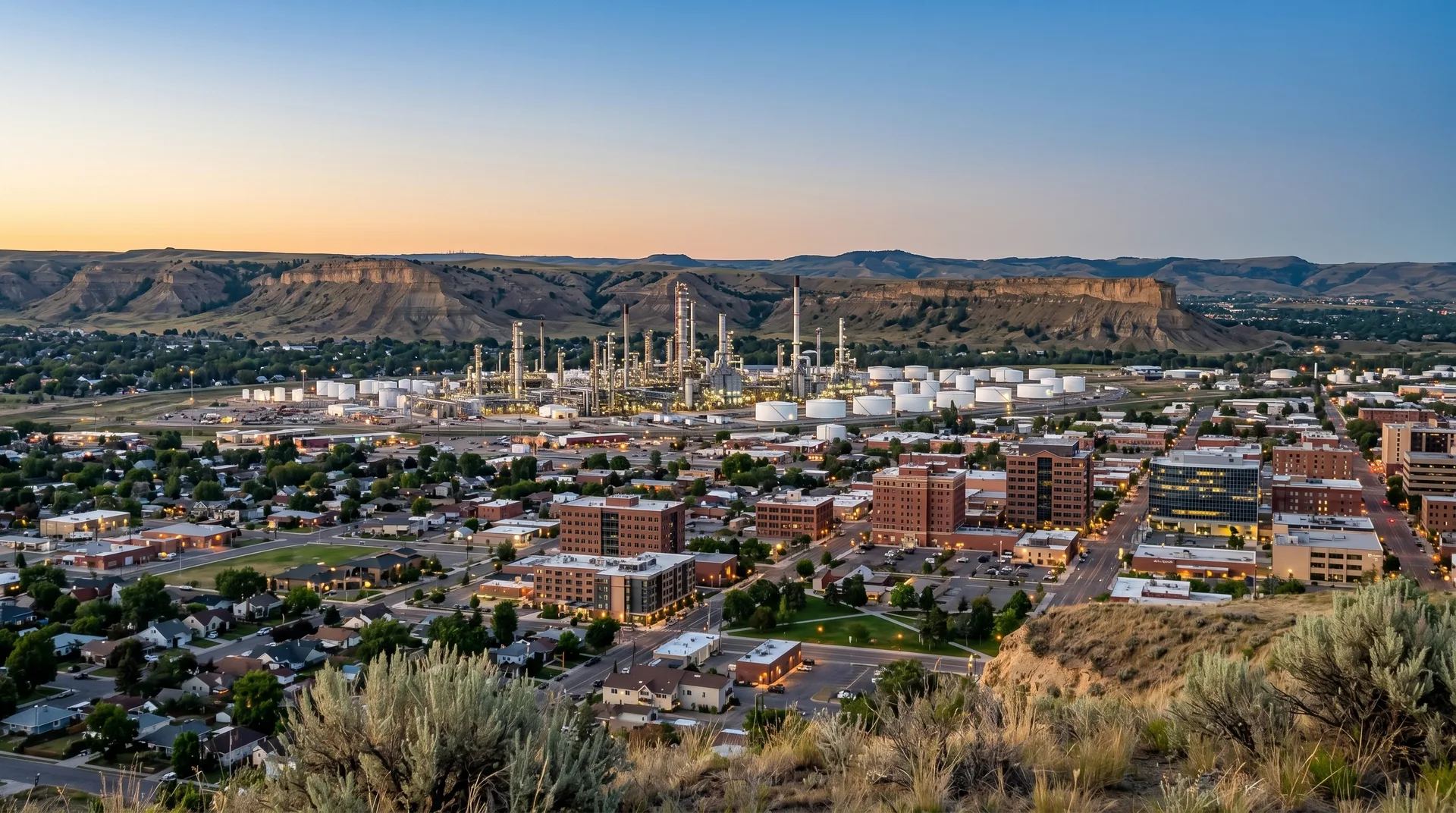
Billings
Billings, Montana serves as a strategic logistics hub at the crossroads of major freight routes in the Northern Rockies. As Montana's largest city and economic center, Billings offers unparalleled access to the state's abundant natural resources, including coal, oil, natural gas, and agricultural products. The city's location provides direct connections to I-90, the primary east-west corridor across the northern United States, making it an ideal origin point for freight distribution throughout the Midwest and beyond.
The region's economy is anchored by agriculture, energy production, and manufacturing sectors, creating consistent demand for reliable freight transportation. Billings benefits from excellent transportation infrastructure, including Billings Logan International Airport for air cargo, the BNSF Railway for intermodal services, and extensive highway networks. The city's logistics ecosystem includes warehousing facilities, freight consolidation centers, and a skilled workforce specializing in supply chain management, making it an optimal starting point for shipments heading to markets across the country.
 Destination
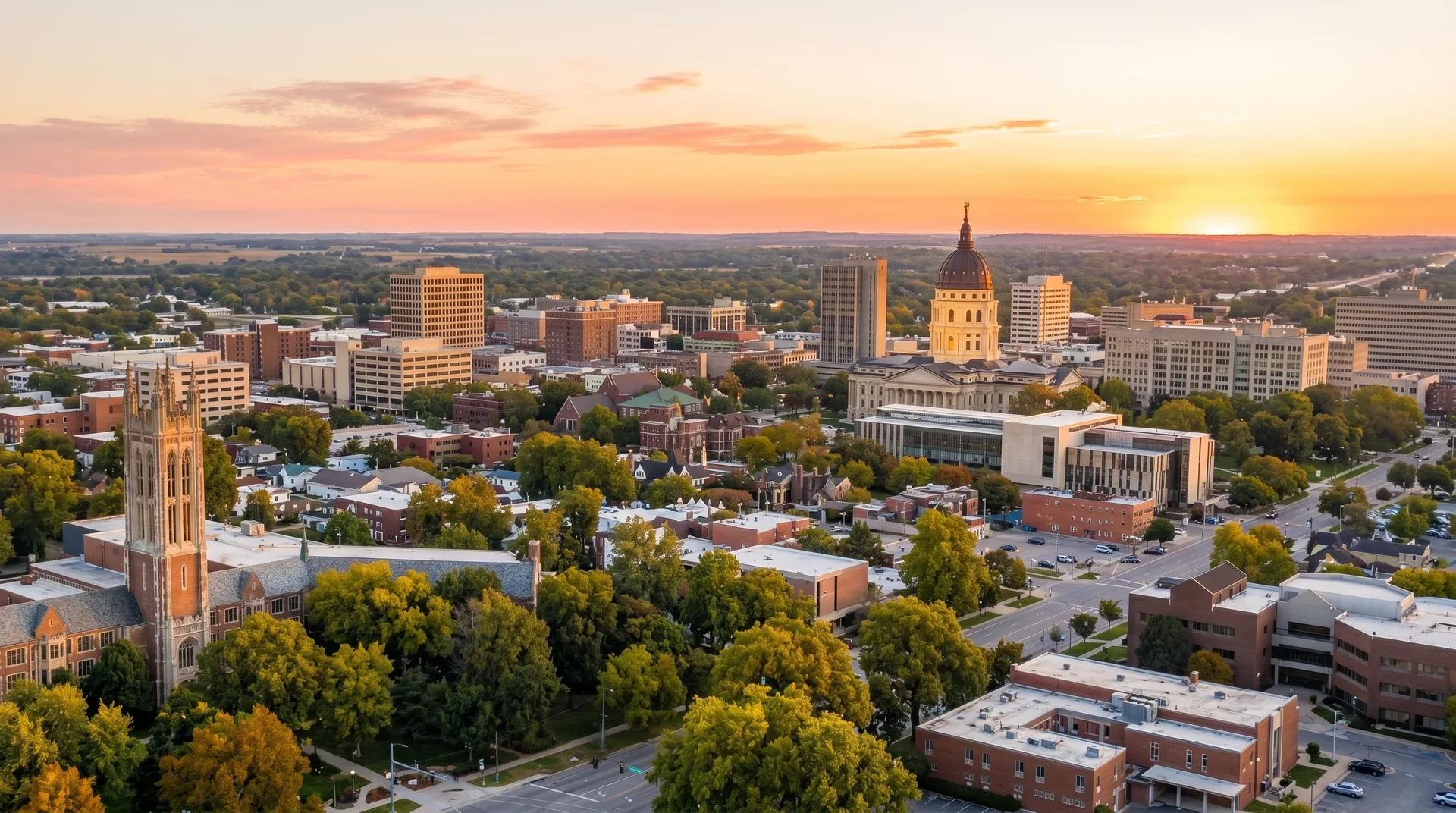
Topeka
Topeka, Kansas stands as a strategic logistics destination in the heart of America's agricultural and manufacturing belt. Located along the I-70 corridor, Topeka provides seamless access to major markets across the Midwest and Eastern United States. The city's central geographic position makes it an ideal distribution point for reaching both coastal regions within 24-48 hours, while its robust infrastructure supports efficient freight handling and distribution operations.
The Topeka metropolitan area boasts a diverse economic base, with significant contributions from food processing, manufacturing, healthcare, and government sectors. The region is home to numerous food processing facilities, aircraft component manufacturers, and agricultural equipment producers, all requiring reliable inbound and outbound freight services. Topeka's transportation infrastructure includes multiple interstate highways, the Topeka Regional Airport, and rail connections through Union Pacific and BNSF, creating a comprehensive logistics network. The city's strategic location, combined with its industrial diversity, makes it a critical destination for freight moving from resource-rich regions like Montana, supporting the continuous flow of goods that powers the American economy.










