Billings to New Orleans
New Orleans → BillingsFTL freight transportation service between Billings and New Orleans. Reliable logistics solutions for your business.
Route Description
Everything you need to know about the corridor Billings - New Orleans
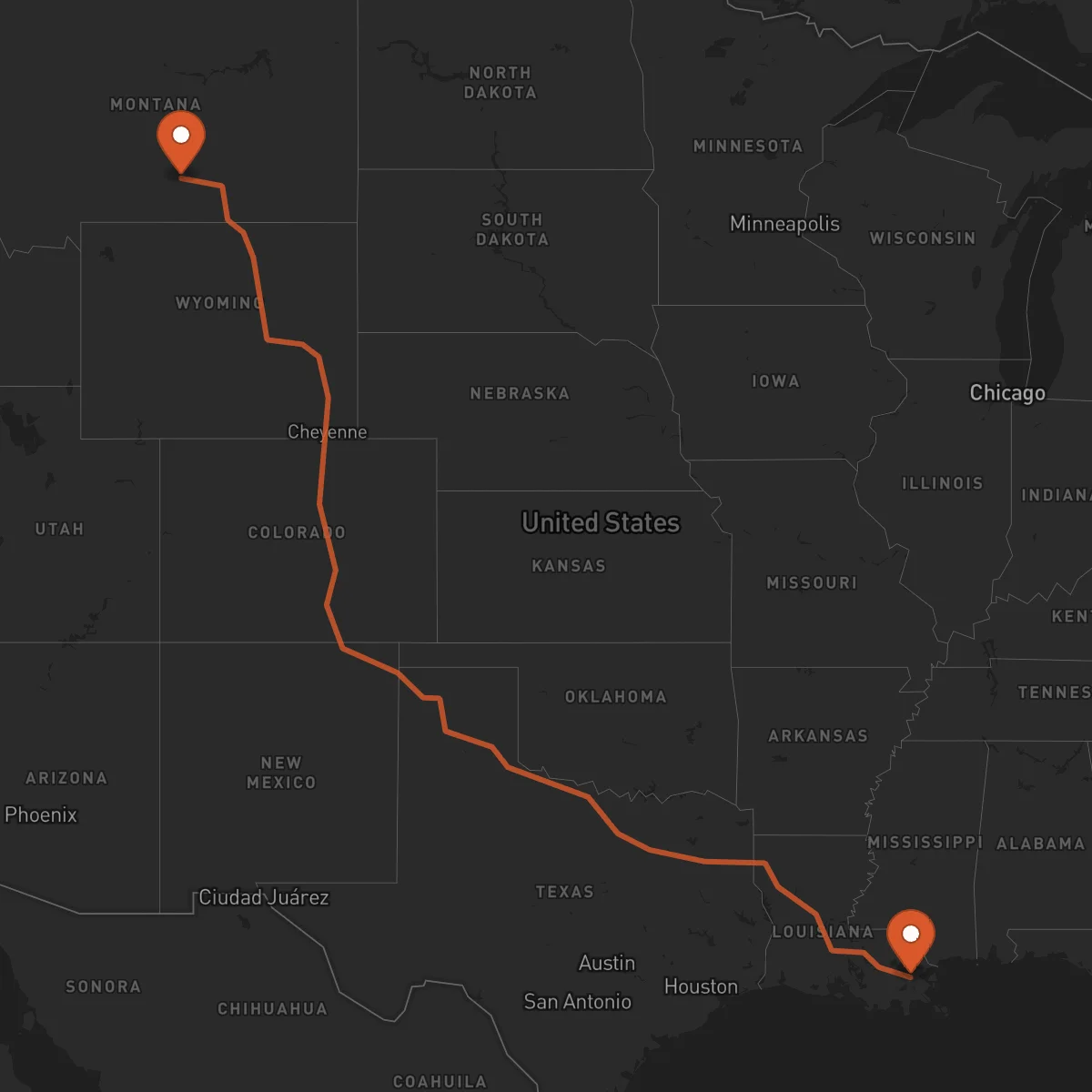
The Billings to New Orleans corridor represents a vital logistics connection between the northern Rocky Mountain region and the Gulf Coast, spanning approximately 2,379 kilometers across the heart of the United States. This route traverses diverse geographical and economic landscapes, connecting Montana's energy and agricultural heartland with Louisiana's petrochemical and maritime industries. The corridor serves as a crucial supply chain link for industries requiring efficient north-south transportation between these distinct economic regions.
The route follows major interstate highways including I-90 and I-25 southward through Wyoming and Colorado, then transitions to I-35 through Texas before connecting to I-10 for the final leg into Louisiana. This well-established transportation infrastructure supports consistent freight movement throughout the year, with Control Terrestre's network of certified carriers ensuring reliable full truckload service across all segments of this extensive corridor.
Key industries utilizing this corridor include energy production and distribution, agricultural commodities, industrial equipment, and manufactured goods. Montana's mining, timber, and agricultural sectors require efficient connections to Gulf Coast ports and refineries, while Louisiana's petrochemical and agricultural processing industries depend on reliable inbound supply chains from northern regions. Control Terrestre facilitates seamless operations on this corridor through our specialized FTL services, providing dedicated equipment, experienced drivers, and comprehensive logistics support to ensure your cargo moves efficiently from origin to destination.
Services for this Route
Available services for the corridor Billings - New Orleans
 Origin
Billings
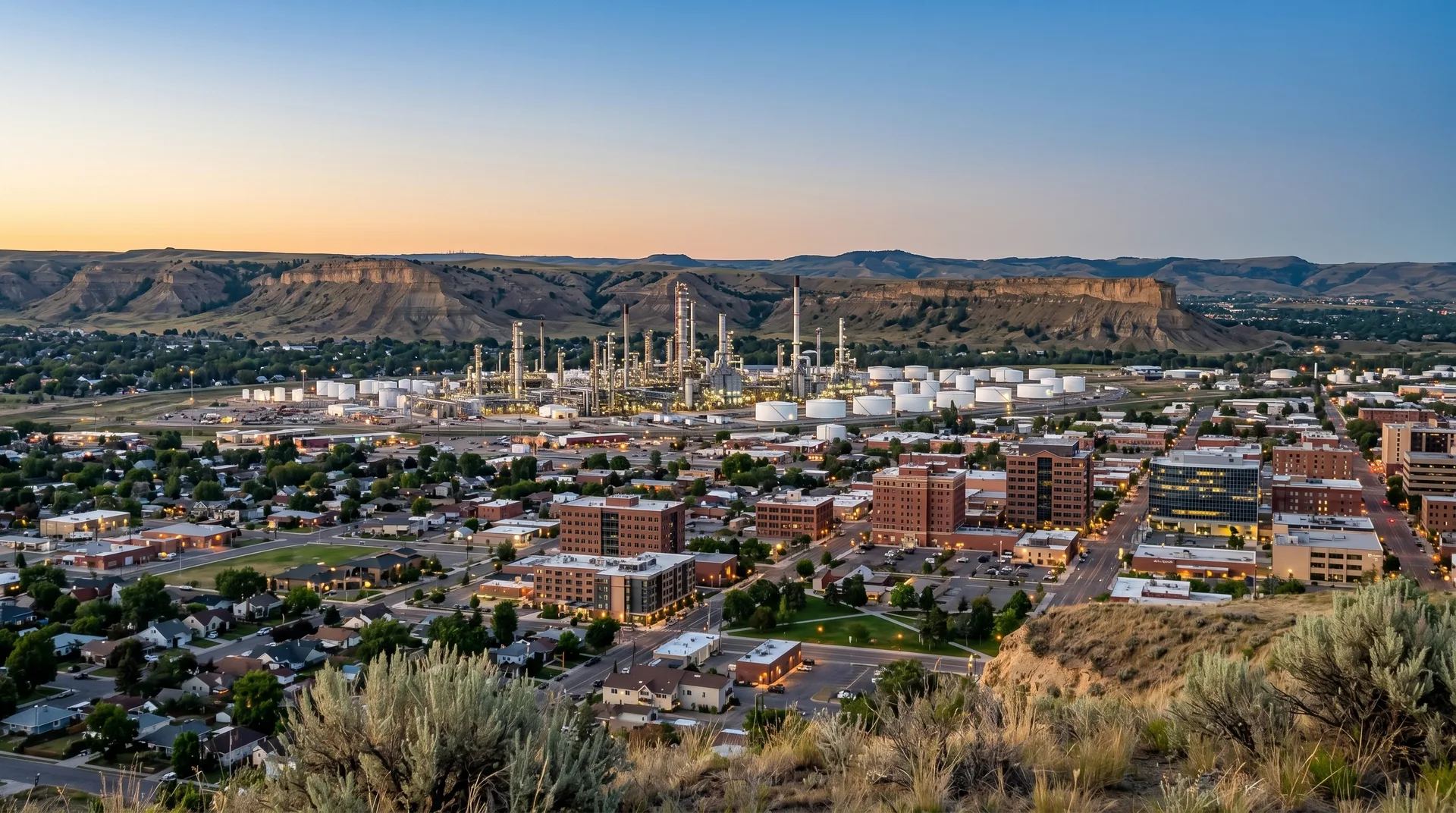
Billings, Montana serves as a strategic logistics hub for the northern Rocky Mountain region, positioned at the intersection of major transportation routes connecting the Pacific Northwest with the central United States. The city's location provides access to key interstate highways and rail connections, making it an ideal origin point for freight distribution across multiple western states. Billings benefits from its proximity to major energy resources, agricultural production areas, and industrial centers throughout Montana and neighboring states.
The economic foundation of Billings centers on energy production, agriculture, mining, and manufacturing. The region is a significant producer of coal, natural gas, and crude oil, while also supporting extensive wheat farming, cattle ranching, and timber operations. Billings hosts major distribution centers for national retailers and serves as a regional headquarters for various industrial companies. The city's transportation infrastructure includes Billings Logan International Airport, extensive rail service through BNSF Railway, and direct access to Interstate 90, providing multiple options for freight movement and logistics operations.
 Destination
New Orleans
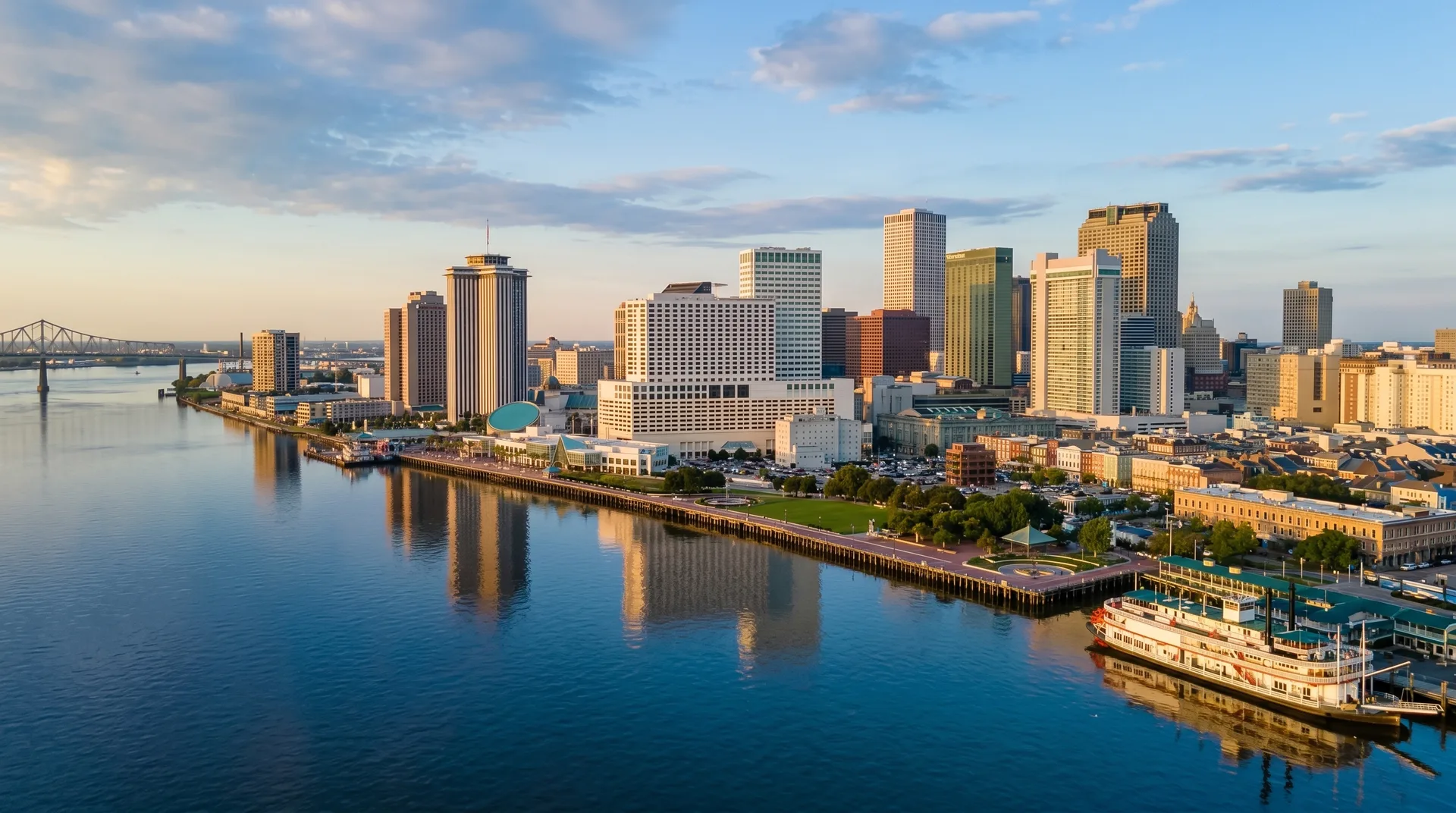
New Orleans, Louisiana stands as a premier logistics gateway on the Gulf Coast, strategically positioned at the mouth of the Mississippi River with access to international maritime trade routes. The city's location makes it an essential hub for both domestic and international freight movement, serving as a critical link between inland U.S. markets and global supply chains. New Orleans benefits from its extensive port facilities, rail connections, and highway networks that facilitate efficient cargo distribution throughout the southeastern United States and beyond.
The New Orleans metropolitan area is anchored by its dominant energy, petrochemical, and maritime industries. The region hosts numerous refineries, chemical plants, and industrial facilities that form the backbone of Louisiana's economy. Additionally, New Orleans serves as a major agricultural processing center, with facilities for sugar refining, coffee roasting, and grain processing. The Port of New Orleans, combined with the city's extensive rail network operated by Class I railroads and direct access to Interstate 10 and Interstate 55, provides comprehensive transportation infrastructure supporting diverse freight operations and logistics activities.


Ready to ship your cargo?
Get a personalized quote for your freight.
Quote Now Billings - New Orleans








