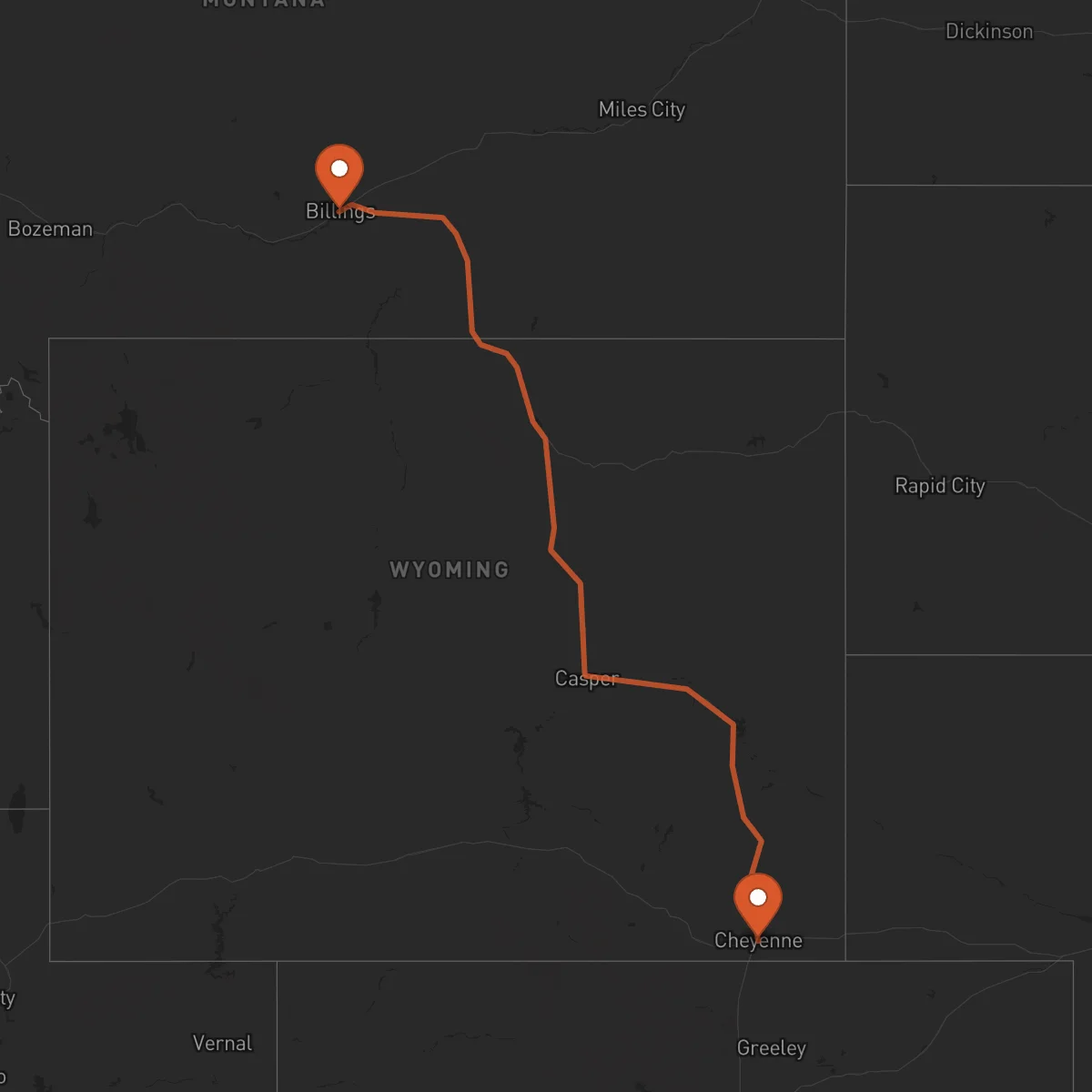
Billings to Cheyenne
Cheyenne → BillingsFTL freight transportation service between Billings and Cheyenne. Reliable logistics solutions for your business.
Route Description
Everything you need to know about the corridor Billings - Cheyenne
The logistics corridor connecting Billings, Montana, to Cheyenne, Wyoming, represents a vital transportation route in the Northern Plains region of the United States. Spanning approximately 596 kilometers, this domestic corridor links two important economic centers through a network of well-maintained highways that facilitate the efficient movement of goods across state lines. This route traverses diverse landscapes, from the mountainous terrain of Montana to the high plains of Wyoming, requiring specialized knowledge and equipment to ensure reliable freight transportation.
The economic significance of this corridor is substantial, as it connects regions with complementary industrial strengths. Billings serves as a major energy and agricultural hub, while Cheyenne functions as a key distribution center for the Rocky Mountain region. The corridor supports critical industries including energy production, agricultural commodities, manufacturing, and retail distribution. Companies operating along this route benefit from the strategic positioning that allows for both north-south and east-west distribution capabilities.
Control Terrestre provides comprehensive freight transportation solutions along the Billings-Cheyenne corridor, leveraging our network of certified carriers and specialized equipment. Our full truckload (FTL) services ensure dedicated transportation for your cargo, whether you're shipping energy equipment, agricultural products, or industrial materials. With our expertise in navigating this specific route and our commitment to safety and reliability, we facilitate seamless logistics operations that keep your supply chain moving efficiently between these two important economic centers.
Services for this Route
Available services for the corridor Billings - Cheyenne
 Origin
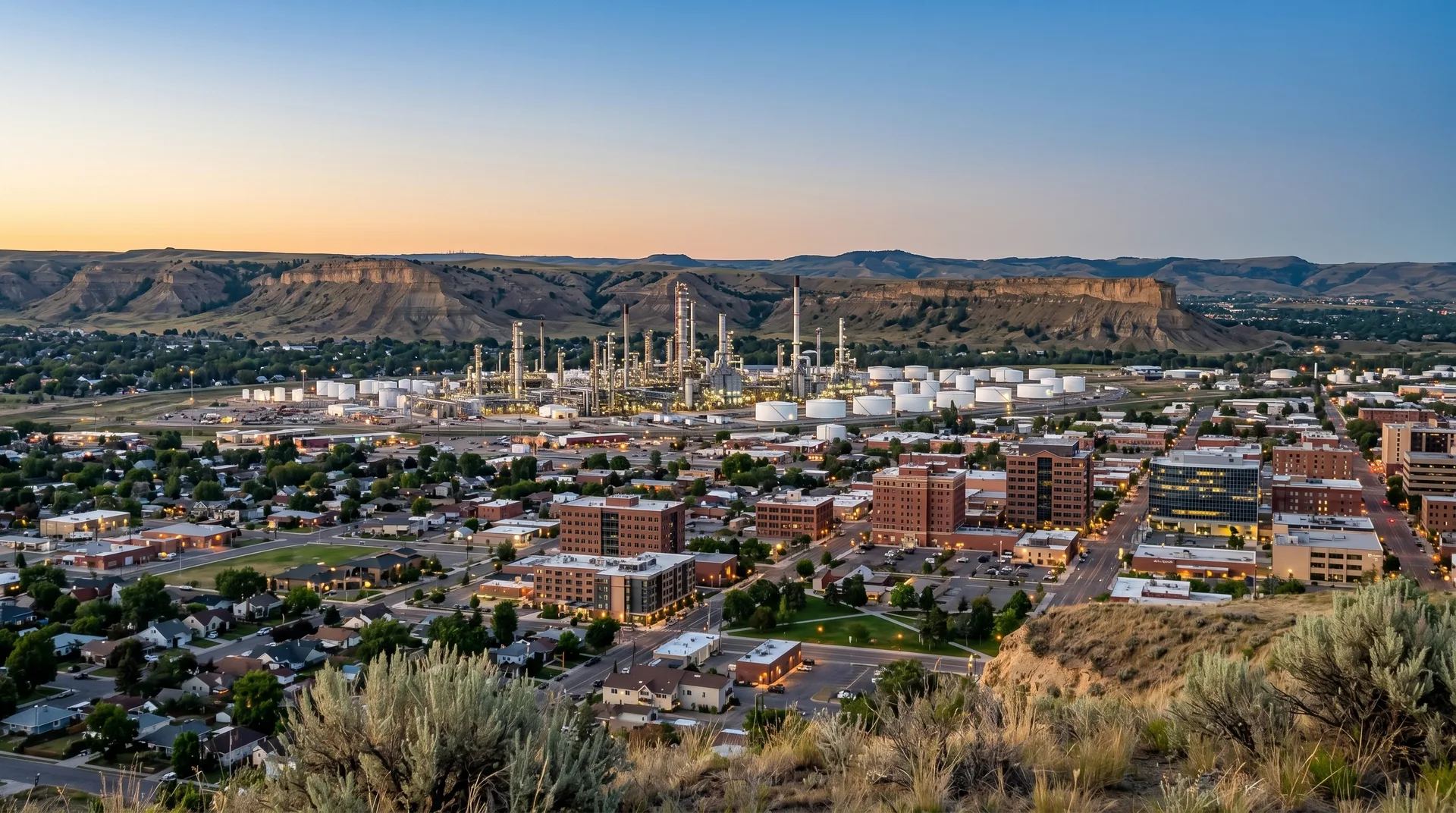
Billings
Billings, Montana, serves as a strategic logistics hub in the Northern Plains, positioned at the intersection of major transportation routes. The city's location provides access to key highways including I-90, which connects to both coasts, and I-94, facilitating east-west movement. Billings benefits from its proximity to major energy resources, including oil fields in eastern Montana and the Bakken formation, making it a critical point for energy-related logistics operations. The city's infrastructure includes multiple rail connections, a modern airport, and extensive warehousing facilities that support its role as a regional distribution center.
The economy of Billings is anchored by the energy sector, agriculture, and healthcare industries. The city processes significant agricultural commodities from Montana's vast farming regions, including wheat, barley, and livestock products. Manufacturing and retail distribution also play important roles in the local economy, creating diverse freight transportation needs. Billings' strategic position as Montana's largest city and its role as a gateway to Yellowstone National Park further enhance its importance as a logistics center for both commercial and tourism-related freight.
 Destination
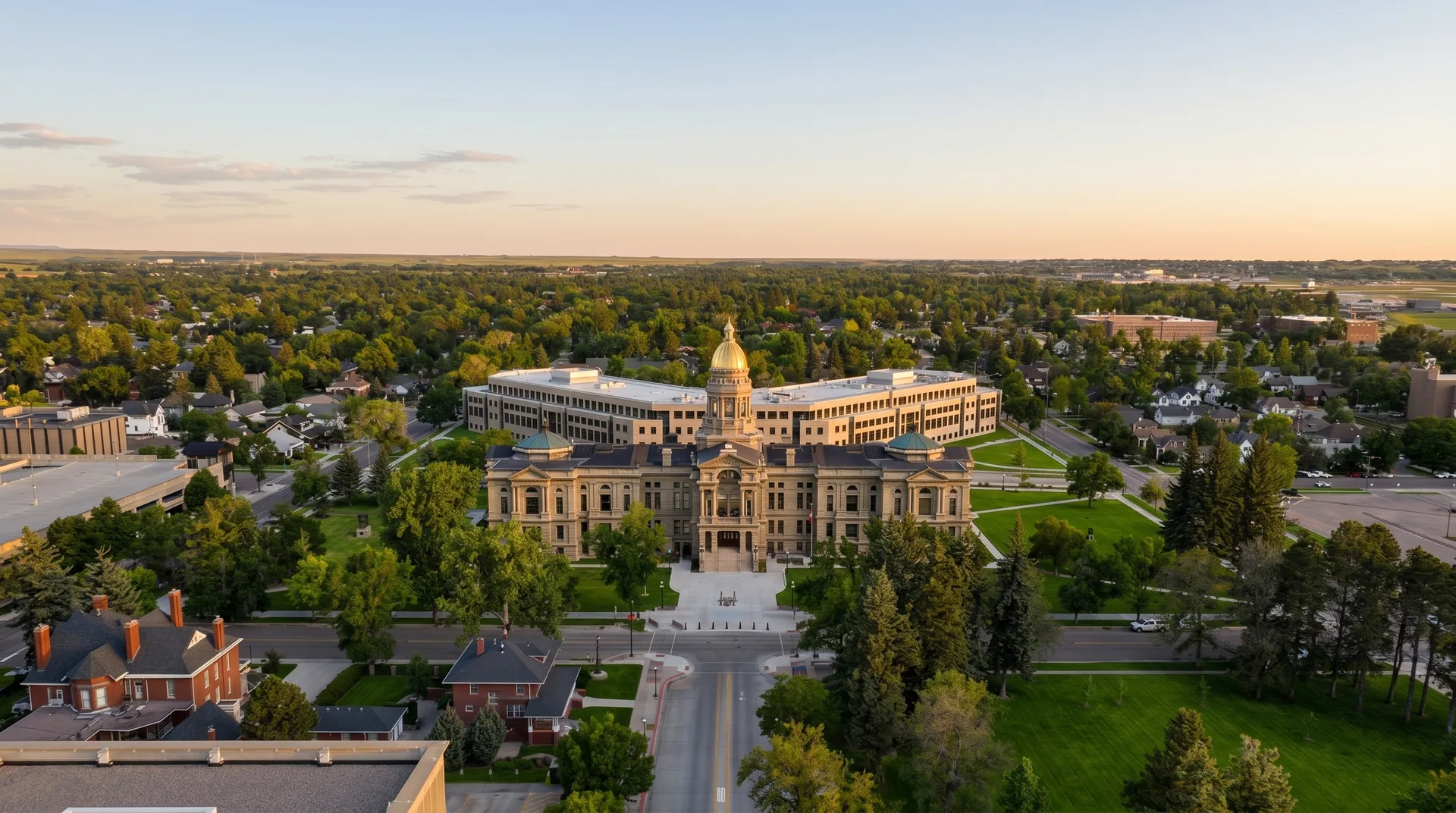
Cheyenne
Cheyenne, Wyoming, stands as a crucial logistics hub in the Rocky Mountain region, strategically positioned at the intersection of major transportation corridors. The city's location at the junction of I-25, I-80, and I-90 provides exceptional connectivity for freight movement across the western United States. Cheyenne's infrastructure includes a major interstate highway system, rail connections, and the nearby Warren Air Force Base, which contributes to its significance in military and government logistics operations. The city's elevation and central location make it an ideal distribution point for regional freight networks.
The economy of Cheyenne is diverse, with strong representation from government services, energy, and logistics sectors. The city serves as Wyoming's capital and hosts numerous state government operations, creating consistent freight transportation demands. The energy sector, particularly coal and natural gas, drives significant industrial activity, while the logistics industry has grown substantially due to Cheyenne's strategic position. The city's proximity to Denver and other major Colorado markets, combined with its role as a gateway to the western states, makes it an essential node in the regional supply chain network.










