
Baton Rouge to Colón
Colón → Baton RougeFTL freight transportation service between Baton Rouge and Colón. Reliable logistics solutions for your business.
Route Description
Everything you need to know about the corridor Baton Rouge - Colón
The logistics corridor connecting Baton Rouge, Louisiana, with Colón, Panama, represents a vital trade link between the United States and Central America. This 2,621 km cross-border route facilitates the movement of goods between the industrial heartland of the Gulf Coast and one of Panama's most important commercial hubs. Baton Rouge serves as a strategic gateway to the U.S. market, while Colón stands as Panama's primary Atlantic port city, home to the Zona Libre de Colón (Colon Free Zone), the largest free trade zone in the Americas.
The corridor's strategic importance stems from its role in connecting major industrial and commercial centers. Baton Rouge's petrochemical industry, manufacturing facilities, and agricultural exports find their way to Panama's diverse market, while Colón's free zone serves as a distribution center for goods throughout Central America. This route is particularly crucial for companies engaged in international trade, e-commerce, and regional distribution networks.
Key transportation infrastructure along this corridor includes major U.S. interstate highways leading to the Gulf Coast ports, followed by maritime transport through the Panama Canal or Caribbean routes to Colón. The route typically involves coordination between road, sea, and sometimes rail transport to ensure efficient delivery. Control Terrestre specializes in managing these complex cross-border operations, providing seamless door-to-door service that includes customs clearance, documentation handling, and real-time tracking throughout the journey.
Services for this Route
Available services for the corridor Baton Rouge - Colón
 Origin
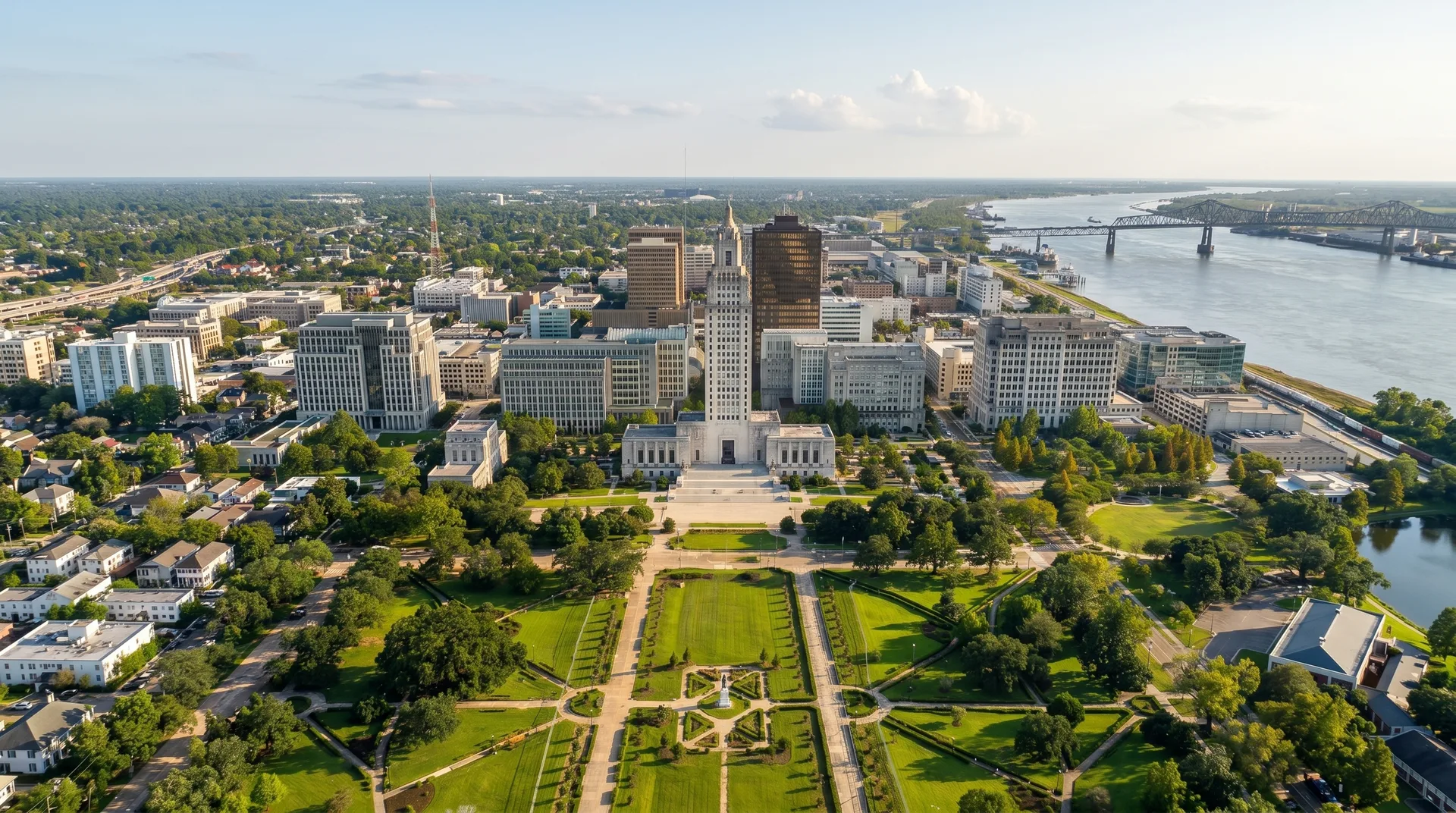
Baton Rouge
Baton Rouge, Louisiana, serves as a strategic logistics hub on the Gulf Coast, offering excellent connectivity to major U.S. markets and international shipping routes. The city's location along the Mississippi River provides access to one of North America's most important waterways, while its proximity to the Gulf of Mexico facilitates maritime shipping. Baton Rouge's transportation infrastructure includes extensive highway networks (I-10, I-12, I-59), rail connections through Class I railroads, and the Port of Greater Baton Rouge, which handles bulk commodities and containerized cargo.
The city's economy is anchored by the petrochemical industry, with numerous refineries and chemical plants operating in the area. Additionally, Baton Rouge has a growing manufacturing sector, including advanced manufacturing and technology companies. The agricultural industry also plays a significant role, with the region producing rice, soybeans, and other commodities that require efficient transportation solutions. This diverse industrial base creates consistent demand for reliable freight transportation services, particularly for full truckload shipments moving to international destinations.
 Destination
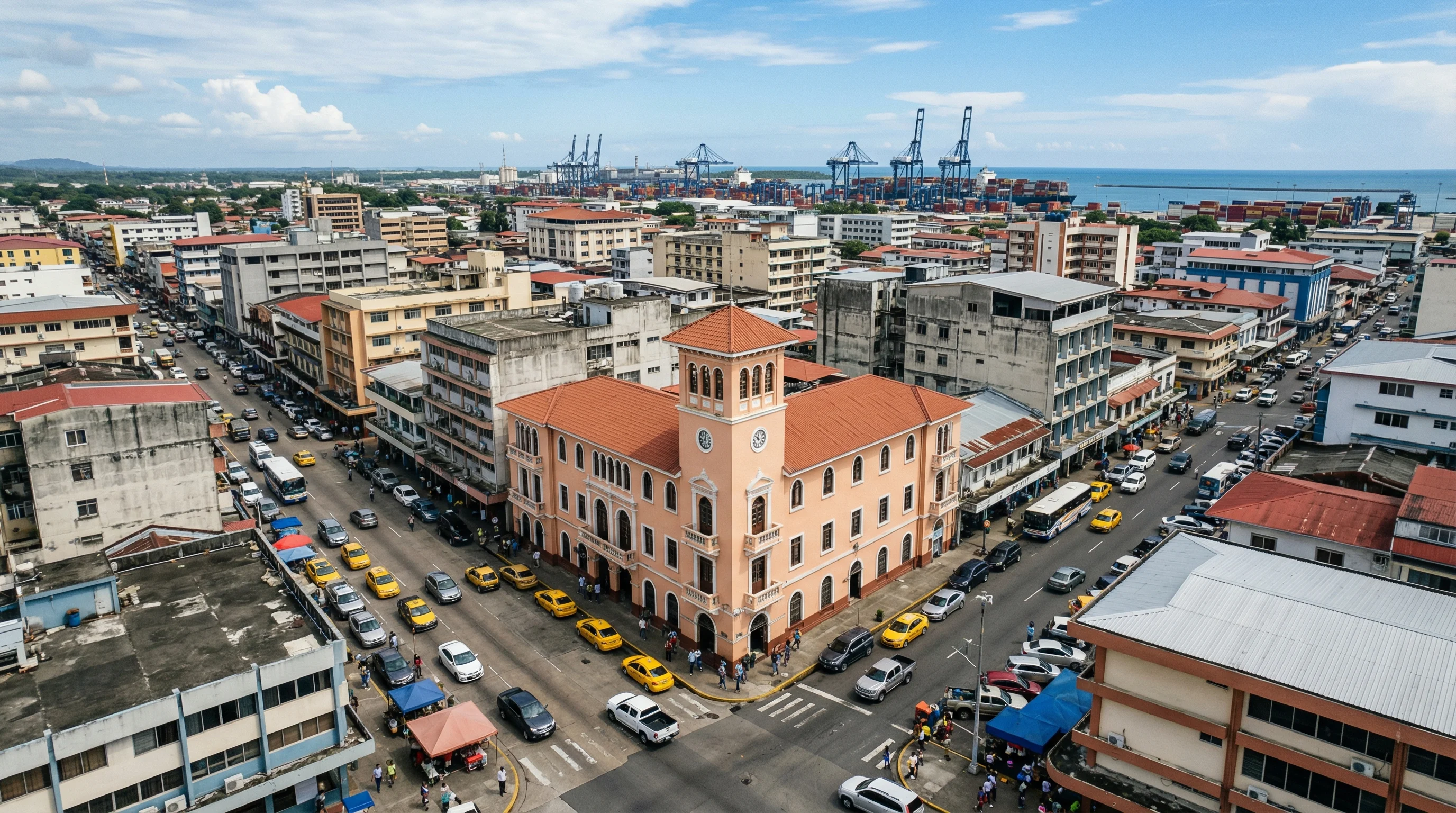
Colón, Panama, is strategically positioned on the Caribbean coast as the Atlantic gateway to the Panama Canal, making it one of the most important logistics hubs in Latin America. The city is home to the Zona Libre de Colón, the largest free trade zone in the Western Hemisphere, which processes billions of dollars in annual trade and serves as a distribution center for goods throughout Central America and the Caribbean. Colón's port facilities are among the most modern in the region, with deep-water ports capable of handling large vessels and containerized cargo.
The economic activity in Colón centers around international trade, logistics, and maritime services. The free zone hosts thousands of companies engaged in import-export operations, warehousing, and distribution. The city's transportation infrastructure includes modern port facilities, highway connections to Panama City and the rest of the country, and rail links to the Pacific side via the Panama Canal Railway. Colón's role as a commercial hub creates significant demand for freight transportation services, particularly for companies looking to distribute products throughout Central America or import goods from North American markets.










