
Atlanta to San Miguel
San Miguel → AtlantaFTL freight transportation service between Atlanta and San Miguel. Reliable logistics solutions for your business.
Route Description
Everything you need to know about the corridor Atlanta - San Miguel
The Atlanta-San Miguel corridor represents a vital logistics connection between the United States and Central America, spanning approximately 2,286 kilometers. This cross-border route connects one of the most important logistics hubs in the southeastern United States with a key industrial center in El Salvador, facilitating the flow of goods between North and Central America.
The corridor traverses a diverse economic landscape, passing through major industrial zones in the southeastern United States before crossing into Mexico and continuing through Guatemala to reach El Salvador. Atlanta serves as a crucial gateway for international trade, with its extensive transportation infrastructure and proximity to major ports. San Miguel, located on El Salvador's eastern coast, is a strategic industrial and commercial center that connects to regional markets throughout Central America.
This route primarily serves industries including automotive, electronics, consumer goods, and agricultural products. The transportation infrastructure includes major highways such as I-20 and I-85 in the United States, connecting to Mexican federal highways and continuing through Guatemala's CA-1 highway system. The corridor utilizes key border crossings at Laredo-Nuevo Laredo and Ciudad Hidalgo- Tecún Umán, with final customs clearance in El Salvador.
Control Terrestre facilitates seamless operations on this corridor through our network of certified transportation providers. Our expertise in cross-border logistics ensures efficient customs clearance, regulatory compliance, and reliable delivery. We provide dedicated FTL services with real-time tracking, experienced drivers familiar with international routes, and comprehensive documentation management to ensure your cargo moves smoothly from Atlanta to San Miguel.
Services for this Route
Available services for the corridor Atlanta - San Miguel
 Origin
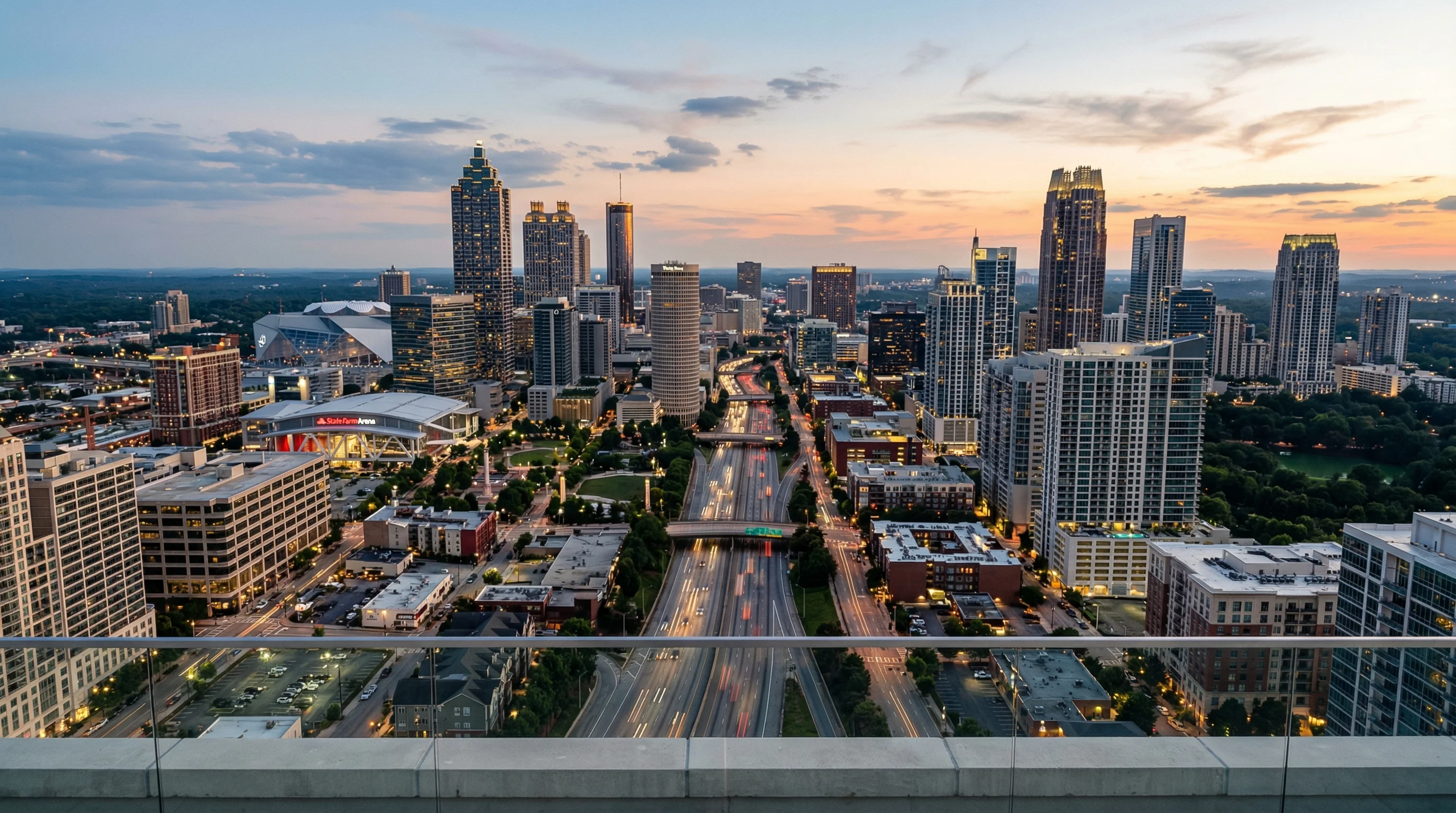
Atlanta
Atlanta stands as a premier logistics hub in the southeastern United States, offering exceptional strategic advantages for freight transportation. The city's location provides direct access to major interstate highways, including I-20 and I-85, which connect to the broader national transportation network. Atlanta's Hartsfield-Jackson International Airport, one of the busiest in the world, complements its ground transportation capabilities, while nearby ports in Savannah and Charleston provide ocean freight options.
The region hosts a diverse industrial base, including automotive manufacturing, aerospace, telecommunications, and consumer goods production. Major corporations have established distribution centers in the Atlanta area, taking advantage of its central location within the eastern United States. The city's robust infrastructure includes multiple intermodal facilities, warehousing districts, and a highly developed road network that supports efficient freight movement in all directions.
 Destination
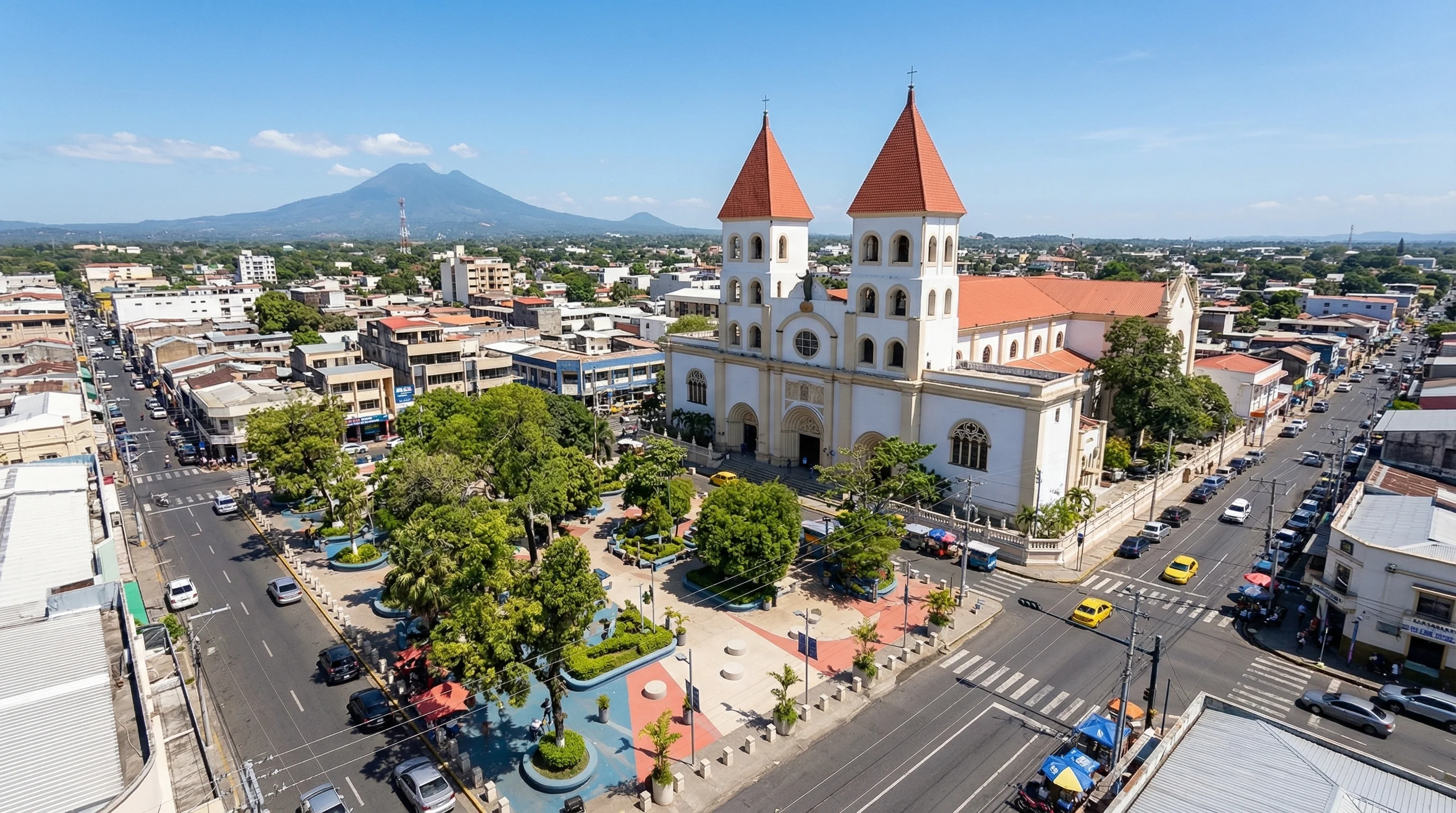
San Miguel
San Miguel serves as a strategic industrial and commercial center in eastern El Salvador, offering unique advantages for logistics operations in Central America. The city's location near the Gulf of Fonseca provides access to maritime shipping routes, while its position connects to the Pan-American Highway system that links El Salvador with neighboring countries. San Miguel's proximity to major industrial zones and free trade areas makes it an ideal destination for cross-border freight operations.
The region's economy is characterized by diverse industries including food processing, textiles, chemicals, and manufacturing. San Miguel's industrial parks host numerous international companies that benefit from El Salvador's trade agreements and strategic location within Central America. The city's transportation infrastructure includes well-maintained highways connecting to the capital, San Salvador, and other regional centers, facilitating efficient distribution throughout the country and to neighboring nations.










