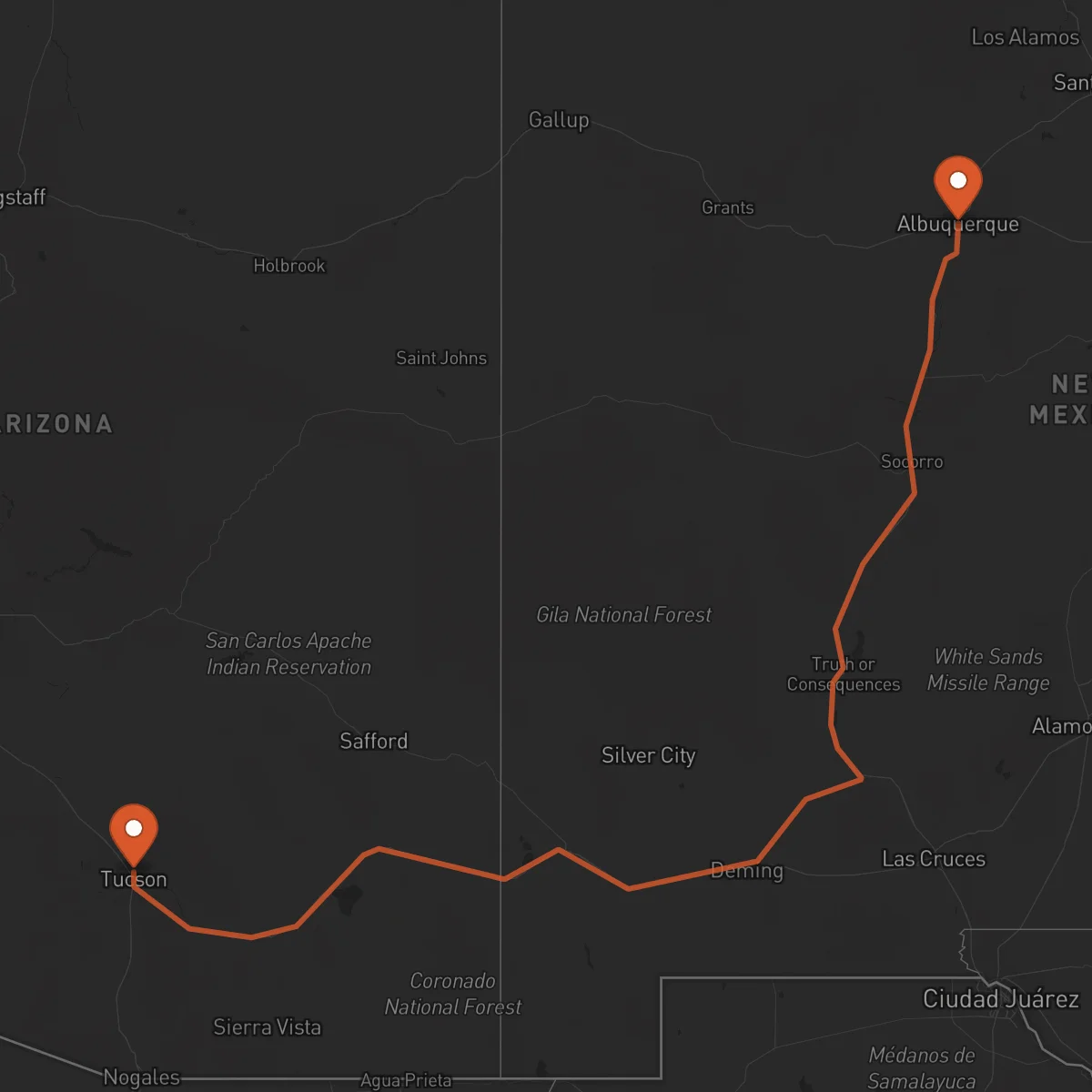
Albuquerque to Tucson
Tucson → AlbuquerqueFTL freight transportation service between Albuquerque and Tucson. Reliable logistics solutions for your business.
Route Description
Everything you need to know about the corridor Albuquerque - Tucson
The Albuquerque-Tucson corridor is a key domestic route connecting two strategic cities in the southwestern United States. This 509 km route traverses the states of New Mexico and Arizona, crossing diverse landscapes that include desert plains and mountain ranges. The corridor is vital for freight transportation between the Mountain and Pacific regions, facilitating the movement of goods between major economic centers and international trade routes.
The region is characterized by a strong industrial presence, with Albuquerque serving as a major logistics hub in New Mexico and Tucson being a key distribution center in Arizona. Key industries utilizing this corridor include aerospace, electronics, automotive, mining, and agriculture. The presence of major manufacturing facilities, research centers, and military installations along the route underscores its economic importance.
Transportation infrastructure along this corridor is robust, primarily relying on Interstate 10 (I-10) and Interstate 25 (I-25) for north-south and east-west connectivity. These highways provide efficient access to major ports of entry, rail terminals, and intermodal facilities. Control Terrestre leverages this infrastructure to offer reliable full truckload (FTL) services, ensuring timely and secure delivery of goods between Albuquerque and Tucson. Our experienced carriers and strategic partnerships enable us to navigate this corridor efficiently, providing tailored solutions for diverse freight needs.
Services for this Route
Available services for the corridor Albuquerque - Tucson
 Origin
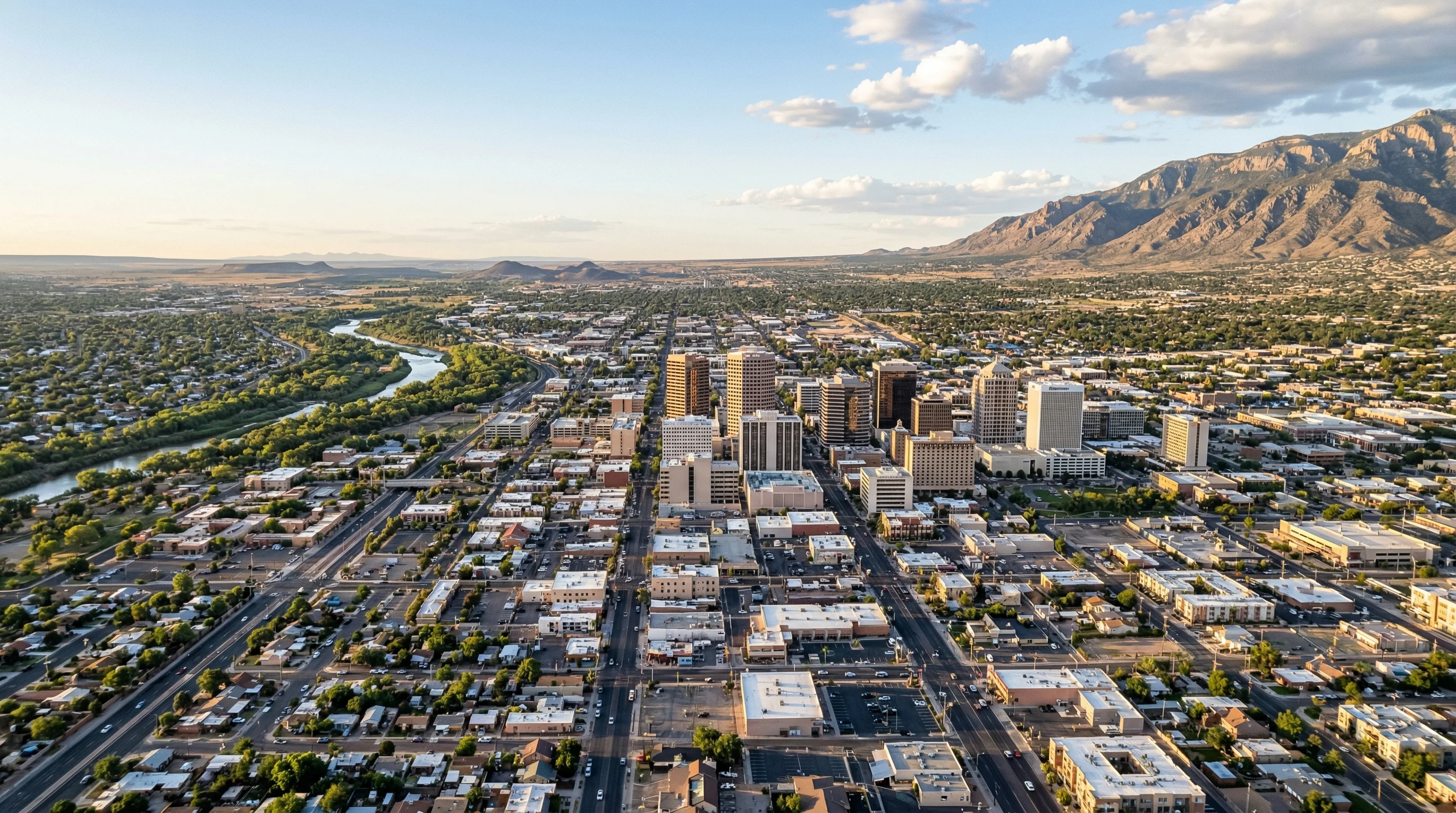
Albuquerque
Albuquerque, New Mexico, is a strategic logistics hub in the southwestern United States, offering excellent connectivity to major markets. Its location at the crossroads of I-25 and I-40 provides seamless access to the Mountain and Pacific regions. The city is home to a diverse industrial base, including aerospace, renewable energy, and technology sectors. Albuquerque's economic landscape is further enhanced by its proximity to major distribution centers and manufacturing facilities. The city's transportation infrastructure includes a major international airport, extensive rail networks, and a well-maintained highway system, making it an ideal origin point for freight transportation.
 Destination
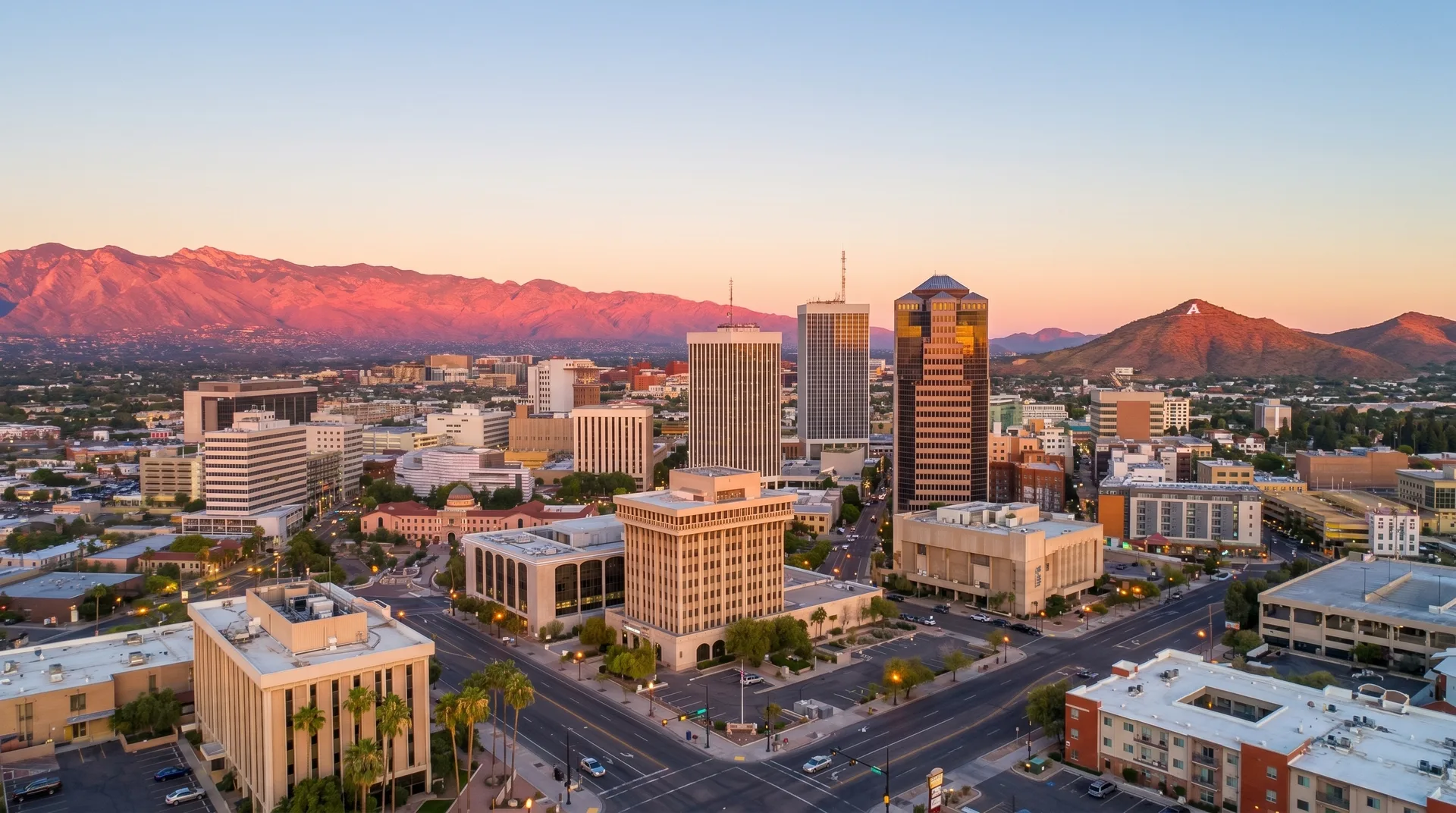
Tucson
Tucson, Arizona, is a vital logistics and distribution center in the southwestern United States, strategically positioned near the U.S.-Mexico border. Its location along I-10 provides direct access to major markets in California, Texas, and beyond. Tucson's economy is driven by industries such as aerospace, defense, mining, and agriculture. The city is home to significant manufacturing and research facilities, as well as a growing technology sector. Tucson's transportation infrastructure includes a major international airport, rail connections, and a robust highway network, ensuring efficient movement of goods to and from the region.










