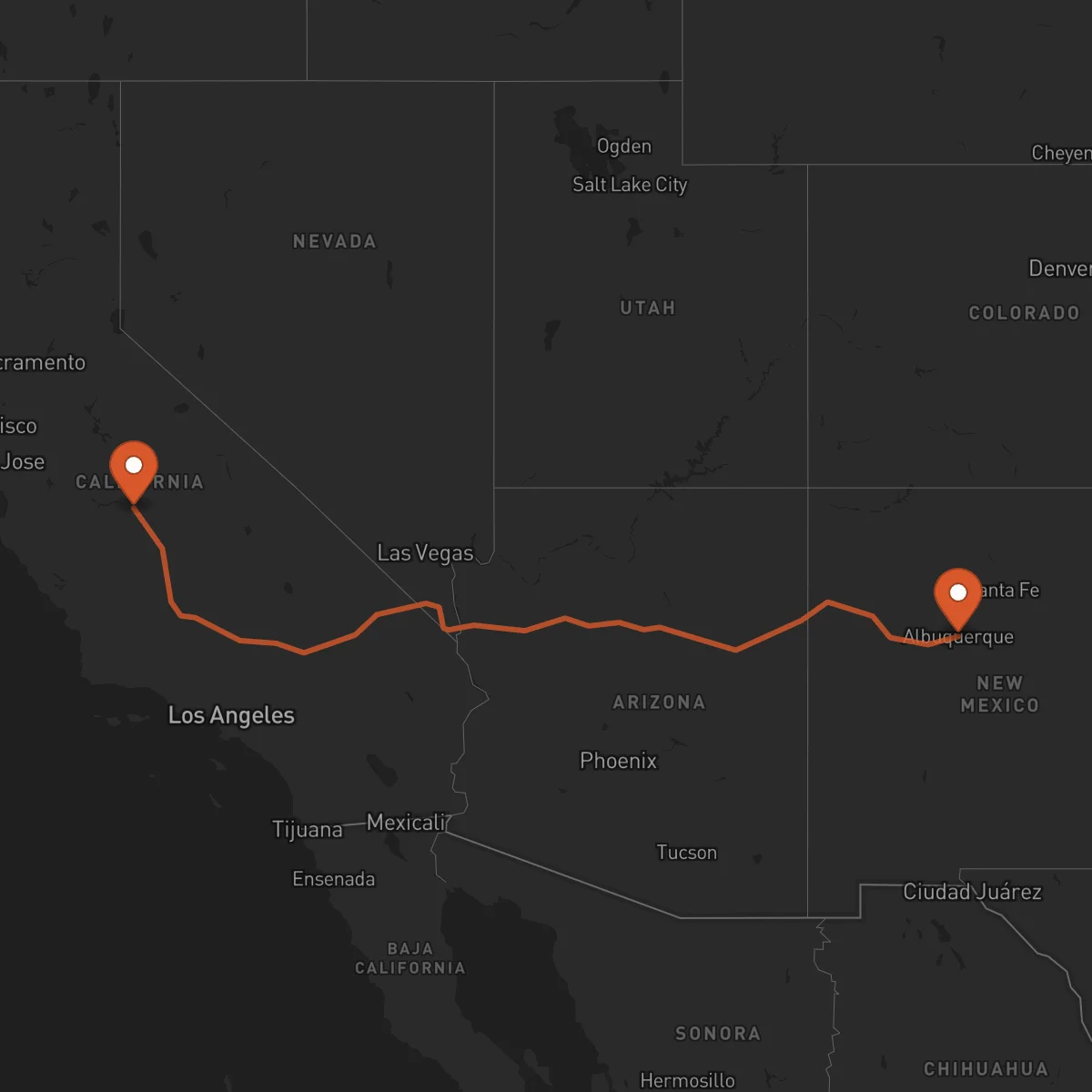
Albuquerque to Fresno
Fresno → AlbuquerqueFTL freight transportation service between Albuquerque and Fresno. Reliable logistics solutions for your business.
Route Description
Everything you need to know about the corridor Albuquerque - Fresno
The logistics corridor between Albuquerque and Fresno represents a vital freight transportation route connecting the heart of New Mexico with California's Central Valley. This 1196 km route traverses diverse terrain and crosses multiple state lines, making it essential for businesses that need to move goods between these two important economic regions. The corridor facilitates the movement of products from Albuquerque's industrial and manufacturing sectors to Fresno's agricultural and distribution hubs, supporting the supply chain needs of companies throughout the southwestern United States.
The route primarily follows major interstate highways, including I-40 and I-5, providing reliable and efficient transportation infrastructure. This strategic pathway enables freight forwarders to optimize transit times while maintaining the integrity of cargo throughout the journey. The corridor's significance has grown alongside the expansion of e-commerce and the increasing demand for just-in-time delivery services, making it a critical component of North American logistics networks.
Control Terrestre leverages this corridor to provide comprehensive FTL (Full Truckload) transportation services, offering dedicated solutions for businesses that require consistent and reliable freight movement. Our expertise in navigating this route ensures that cargo moves efficiently between these key markets, whether transporting industrial equipment from Albuquerque or agricultural products to Fresno. We understand the unique challenges of this corridor and provide the specialized equipment and experienced drivers necessary to handle diverse freight requirements along the way.
Services for this Route
Available services for the corridor Albuquerque - Fresno
 Origin
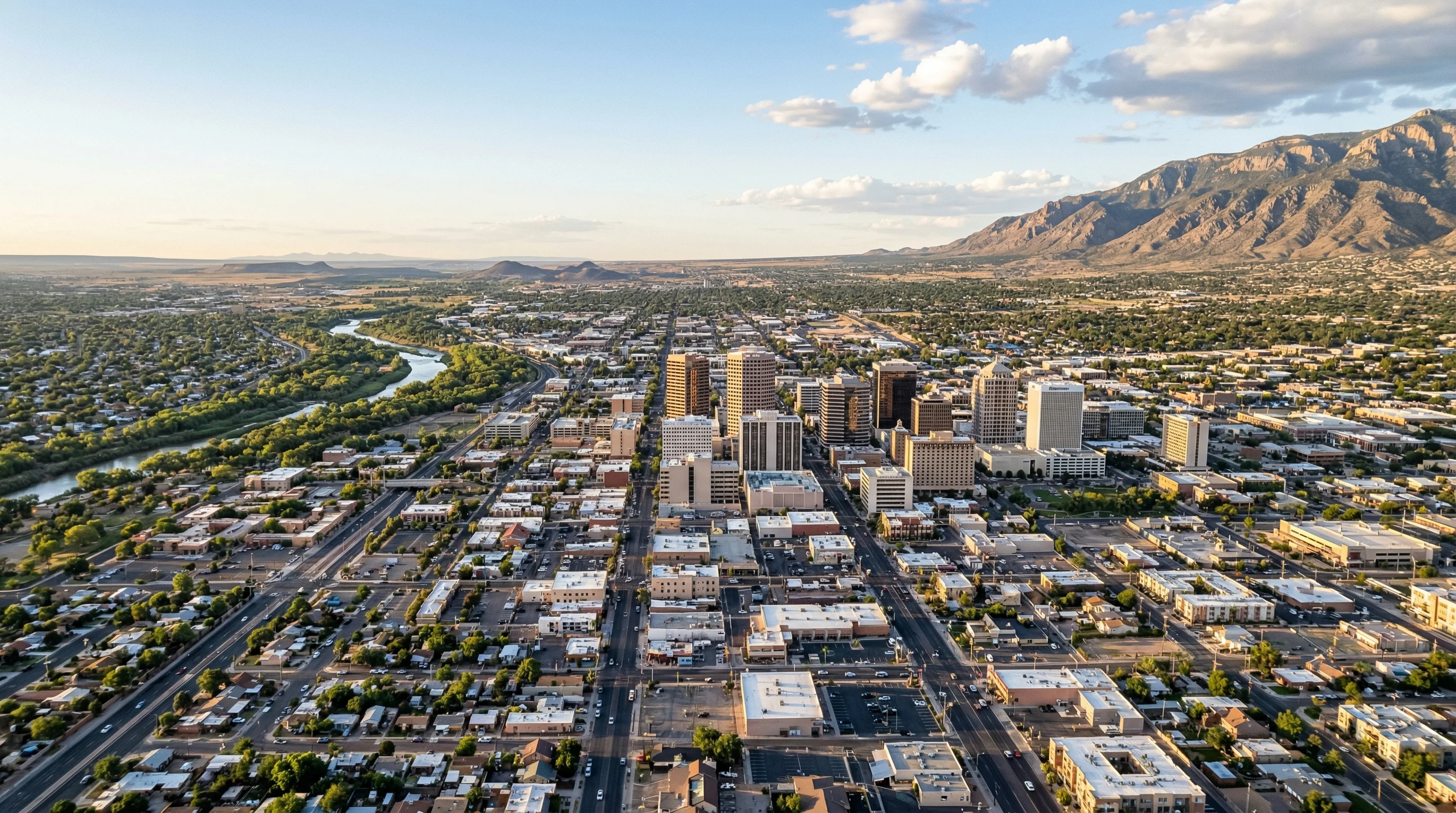
Albuquerque
Albuquerque serves as a strategic logistics hub in the southwestern United States, offering exceptional connectivity for freight transportation. Located at the intersection of major interstate highways, the city provides direct access to both east-west and north-south freight corridors. The metropolitan area boasts a strong industrial base, including aerospace manufacturing, renewable energy components, and high-tech industries that generate substantial freight volume. Albuquerque's elevation and geographic position make it a natural distribution center for goods moving throughout the Mountain West region.
The city's transportation infrastructure includes the Albuquerque International Sunport, extensive rail connections through BNSF Railway, and direct access to Interstate 40, which facilitates efficient ground transportation. The industrial parks surrounding Albuquerque are equipped with modern warehousing and distribution facilities, supporting the city's role as a logistics center. Additionally, the city's proximity to the Mexican border and its position within the NAFTA/USMCA trade corridor enhance its importance for cross-border freight operations.
 Destination
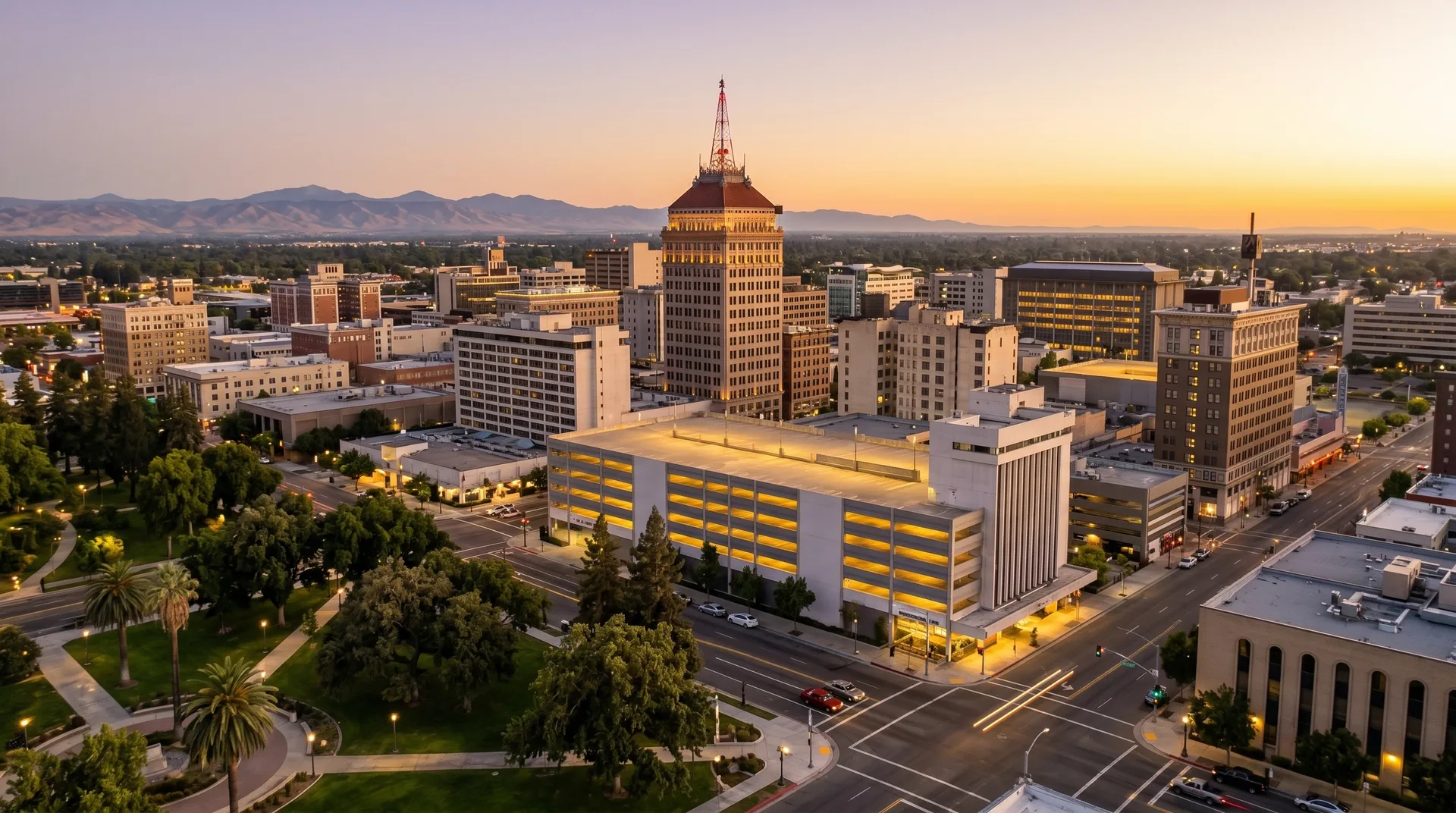
Fresno
Fresno stands as a crucial logistics and economic center in California's Central Valley, strategically positioned to serve one of the nation's most productive agricultural regions. The city's location provides direct access to major transportation arteries, including State Route 99 and Interstate 5, facilitating efficient movement of goods throughout California and beyond. Fresno's economy is deeply rooted in agriculture, food processing, and distribution, making it a vital link in the supply chain for fresh produce and agricultural products that move across the country.
The region's transportation infrastructure includes the Fresno Yosemite International Airport, extensive rail connections through Union Pacific and BNSF, and a network of highways that support heavy freight traffic. Fresno's proximity to major ports like Oakland and Los Angeles, combined with its central location within California, makes it an ideal distribution point for companies serving the western United States. The city's industrial parks and warehousing facilities are equipped to handle diverse freight requirements, from refrigerated goods to oversized agricultural equipment, supporting the region's role as a key logistics hub.










