
Albuquerque to Estelí
Estelí → AlbuquerqueFTL freight transportation service between Albuquerque and Estelí. Reliable logistics solutions for your business.
Route Description
Everything you need to know about the corridor Albuquerque - Estelí
The logistics corridor between Albuquerque, New Mexico, and Estelí, Nicaragua, represents a vital cross-border transportation route connecting the United States with Central America. This extensive corridor spans approximately 3,183 kilometers, traversing diverse terrains and crossing multiple international borders. The route serves as a crucial link for businesses engaged in North American and Central American trade, facilitating the movement of goods between manufacturing hubs, distribution centers, and consumer markets. Control Terrestre specializes in managing the complexities of this corridor, ensuring seamless freight transportation from origin to destination.
Services for this Route
Available services for the corridor Albuquerque - Estelí
 Origin
Albuquerque
Albuquerque, New Mexico, serves as a strategic logistics hub in the southwestern United States, offering excellent connectivity through major interstate highways including I-40 and I-25. The city's logistics infrastructure includes multiple warehousing facilities, distribution centers, and proximity to major transportation networks. Albuquerque's economy is diverse, with key industries including aerospace and defense, renewable energy, manufacturing, and technology sectors. The city's location provides access to both West Coast ports and inland markets, making it an ideal origin point for cross-border freight movements to Central America.
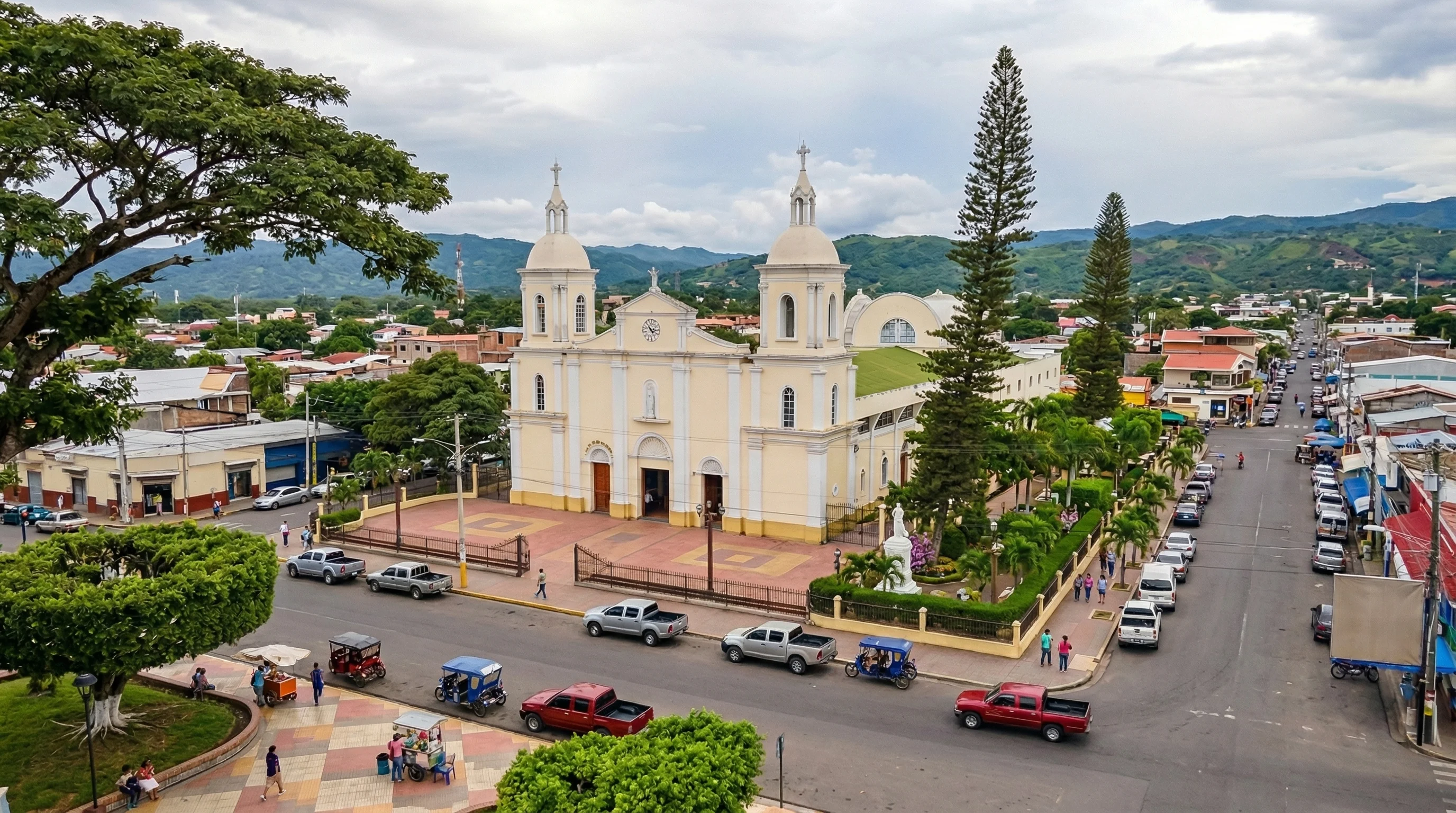 Destination
Estelí, Nicaragua, is strategically positioned in the northern highlands of the country, serving as an important commercial and industrial center. The city benefits from its location along the Pan-American Highway, providing crucial connectivity to other major cities and ports in Nicaragua. Estelí's economy is characterized by tobacco production, agricultural processing, and growing manufacturing sectors. The region's transportation infrastructure includes road networks connecting to Managua and other key destinations, facilitating efficient distribution of goods throughout Nicaragua and neighboring countries.










