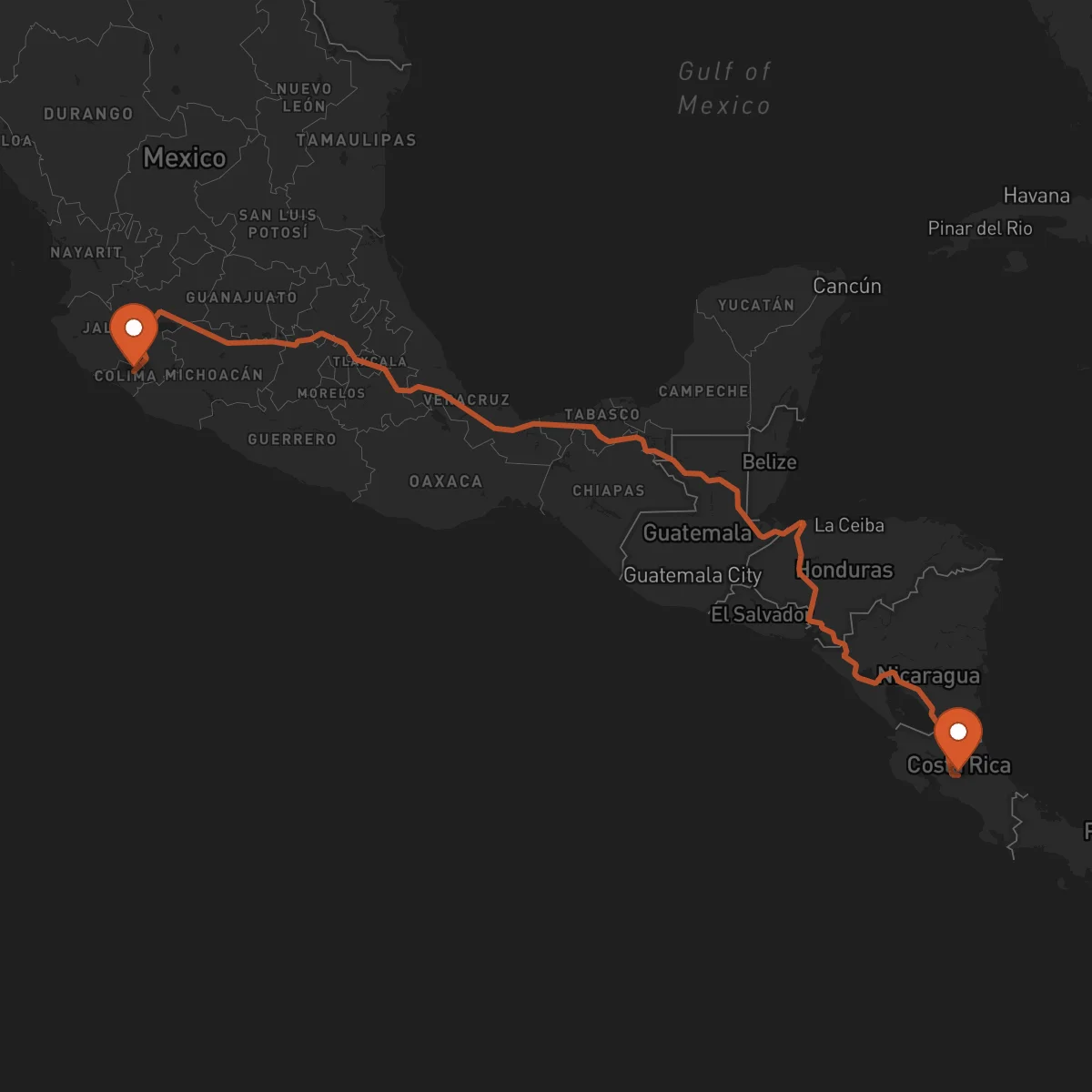
Alajuela to Colima
Colima → AlajuelaFTL freight transportation service between Alajuela and Colima. Reliable logistics solutions for your business.
Route Description
Everything you need to know about the corridor Alajuela - Colima
The Alajuela-Colima corridor represents a vital North-South trade artery connecting Costa Rica's industrial heartland with Mexico's strategic Pacific port region. Spanning approximately 2,333 km, this cross-border route is essential for the seamless movement of goods across Central America and into the United States via Mexico's extensive network. The economic context is driven by robust manufacturing sectors, agricultural exports, and growing consumer markets on both ends. Key industries utilizing this corridor include food and beverage processing, agricultural commodities, manufactured goods, and specialized cargo requiring dedicated transport solutions. The primary infrastructure relies on a network of major highways, including Costa Rica's Route 1 and Mexico's Federal Highway 200D, which provide the backbone for long-haul trucking. Critical border crossings, such as Paso Canoas (Costa Rica-Panama) and Ciudad Hidalgo (Mexico-Guatemala), involve complex customs procedures where expertise in documentation and compliance is paramount. At Control Terrestre, we facilitate operations on this corridor through our robust alliance of certified transportation providers. Our expertise in cross-border freight ensures efficient navigation of customs regulations, supported by provider certifications including C-TPAT, FAST, and BASC. We manage the full spectrum of FTL requirements—from standard dry van and refrigerated units to specialized equipment for oversized or hazardous materials—providing a single, human point of contact for your door-to-door logistics needs across this critical international route.
Services for this Route
Available services for the corridor Alajuela - Colima
 Origin
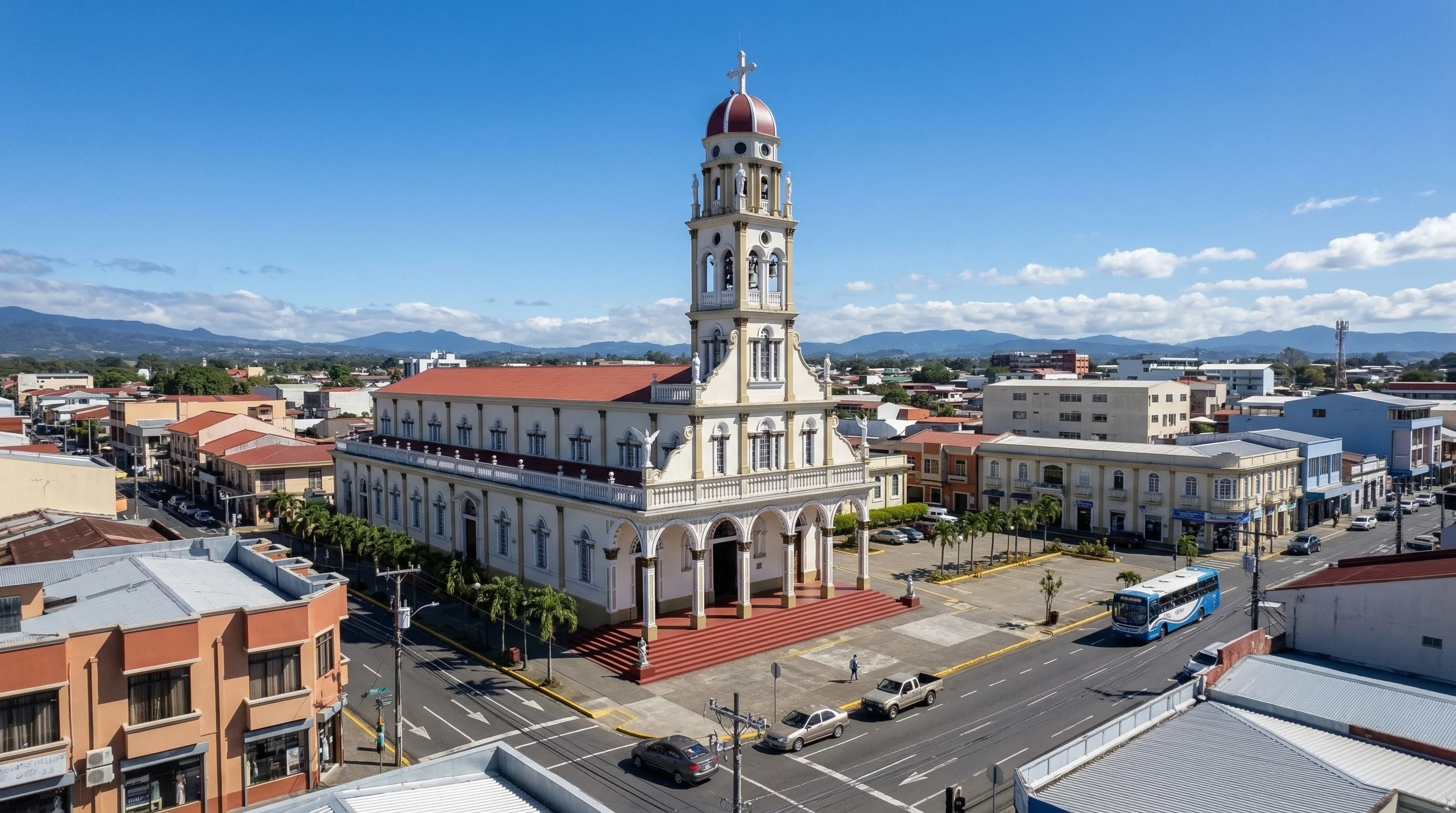
Alajuela
Alajuela, Costa Rica, serves as a pivotal logistics hub in Central America, strategically positioned just kilometers from the country's primary international airport (Juan Santamaría) and the key northern border crossing with Nicaragua. Its location provides direct access to the principal highway network connecting Costa Rica's northern provinces and the broader Central American corridor. The region's economy is anchored by diverse and high-value industries. The Alajuela province is a national leader in agriculture, particularly coffee, sugarcane, and tropical fruits, which demand reliable refrigerated transport. It also hosts significant manufacturing zones, including free-trade areas producing electronics, medical devices, and textiles for export. The available transportation infrastructure is comprehensive, featuring the aforementioned Route 1 as the main north-south artery, well-developed warehousing near the capital, and direct links to Pacific port facilities like Puerto Limón for multimodal options. This combination of agricultural output, manufacturing strength, and connectivity makes Alajuela a consistent origin for full truckload shipments heading north.
 Destination
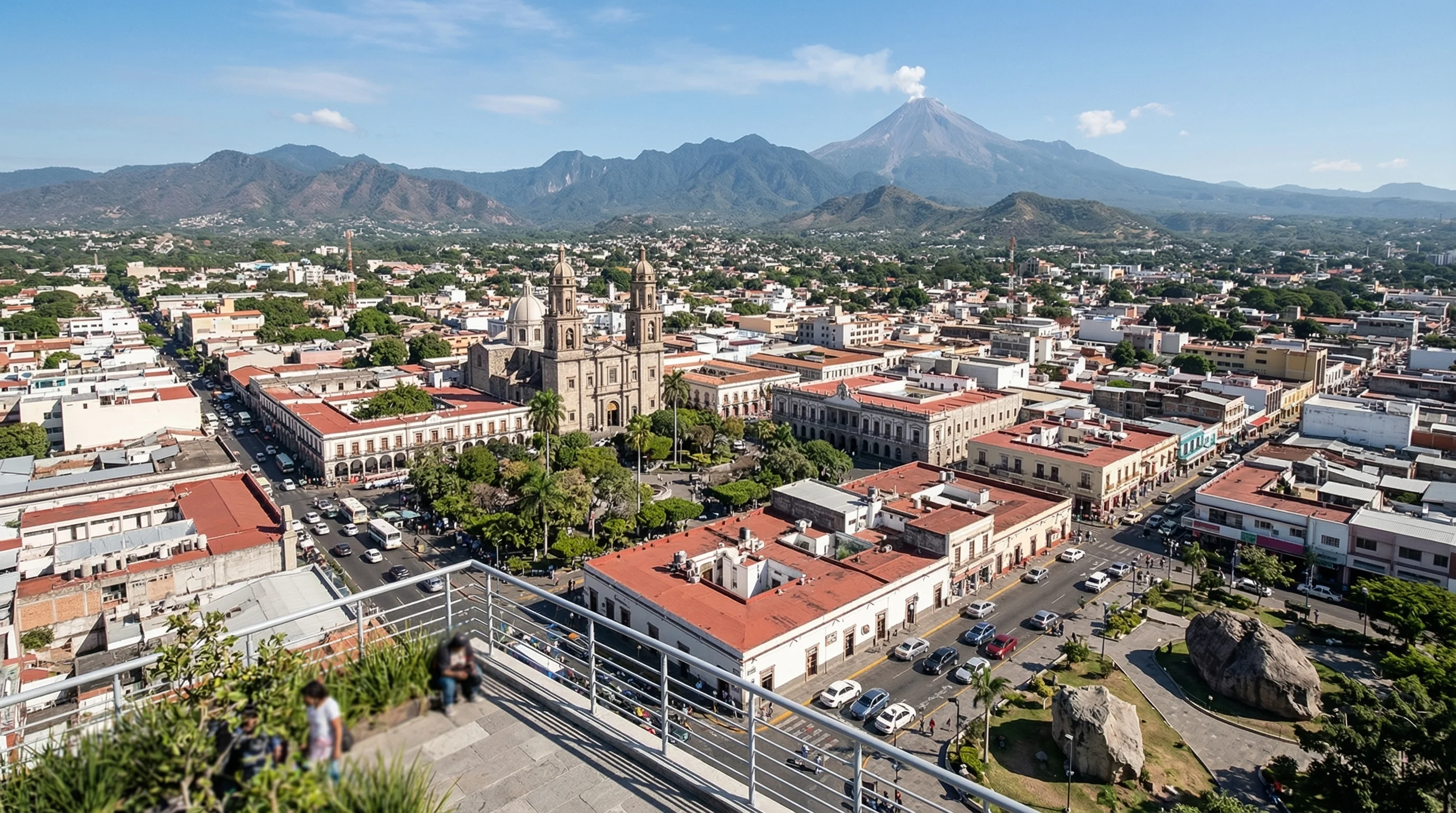
Colima, México, is a state of exceptional strategic importance on Mexico's Pacific coast, centered around the bustling port of Manzanillo—one of the nation's busiest container ports. This location provides a critical logistics gateway for maritime import/export traffic destined for or originating from central and western Mexico, as well as a key node for cross-border trade with the United States and Canada. The state's economy is powered by a dynamic mix of industries. Agriculture is prominent, with Colima being a top producer of limes, mangoes, and other tropical fruits. Manufacturing is robust, encompassing food processing, furniture, and light industrial goods. Furthermore, its port infrastructure supports a vast array of import activities. The transportation infrastructure is highly developed, anchored by Federal Highway 200D, a modern toll road that provides a fast, efficient link from the port inland to Guadalajara and the national highway system. This, combined with extensive rail connections at the port and growing warehousing capacity, positions Colima as a premier destination for FTL freight requiring port-centric logistics or distribution to western Mexican markets.










