
Ahuachapán to Toluca
Toluca → AhuachapánFTL freight transportation service between Ahuachapán and Toluca. Reliable logistics solutions for your business.
Route Description
Everything you need to know about the corridor Ahuachapán - Toluca
The Ahuachapán-Toluca corridor is a vital North American logistics artery connecting Central America to Mexico's industrial heartland. Spanning approximately 1,203 km, this cross-border route facilitates the critical flow of goods between El Salvador and the Estado de México, underpinning key economic relationships in the region. The corridor serves as a fundamental trade link for industries ranging from agriculture and food processing to advanced manufacturing, enabling supply chains to access both production centers and major consumption markets.
Economically, the route bridges the agricultural and light manufacturing base of western El Salvador with the dense industrial corridor of central Mexico. Ahuachapán's output, including premium coffee and textile products, finds its primary industrial processing and distribution gateway in Toluca's vast manufacturing ecosystem. Conversely, Toluca's automotive, aerospace, and consumer goods industries rely on this corridor for inbound raw materials and outbound finished products, creating a balanced, high-value trade flow. The strategic importance is magnified by Toluca's position within the Mexico City metropolitan area, one of the largest urban markets in the Americas.
Key industries utilizing this corridor include coffee exporters, textile and apparel manufacturers, automotive parts suppliers, and producers of processed foods and beverages. The transportation infrastructure primarily relies on a network of major highways, including the CA-1 in El Salvador connecting to the Guatemalan border, and after crossing into Mexico, the primary route follows the México-Toluca highway (Autopista México-Toluca) and associated federal highways. The principal formal border crossing for this corridor is at Tecún Umán/ Ciudad Hidalgo, where efficient customs clearance is paramount. Control Terrestre facilitates seamless operations on this corridor through our strategic alliance of certified providers. Our partners hold critical credentials like C-TPAT, FAST, and BASC, which streamline customs procedures and enhance security. We exclusively coordinate Full Truckload (FTL) solutions—from dry vans and reefers for perishable coffee to flatbeds for industrial equipment—managing all cross-border documentation and leveraging our expertise to navigate the specific customs considerations of this international route, providing our clients with a single, reliable point of contact for their end-to-end logistics.
Services for this Route
Available services for the corridor Ahuachapán - Toluca
 Origin
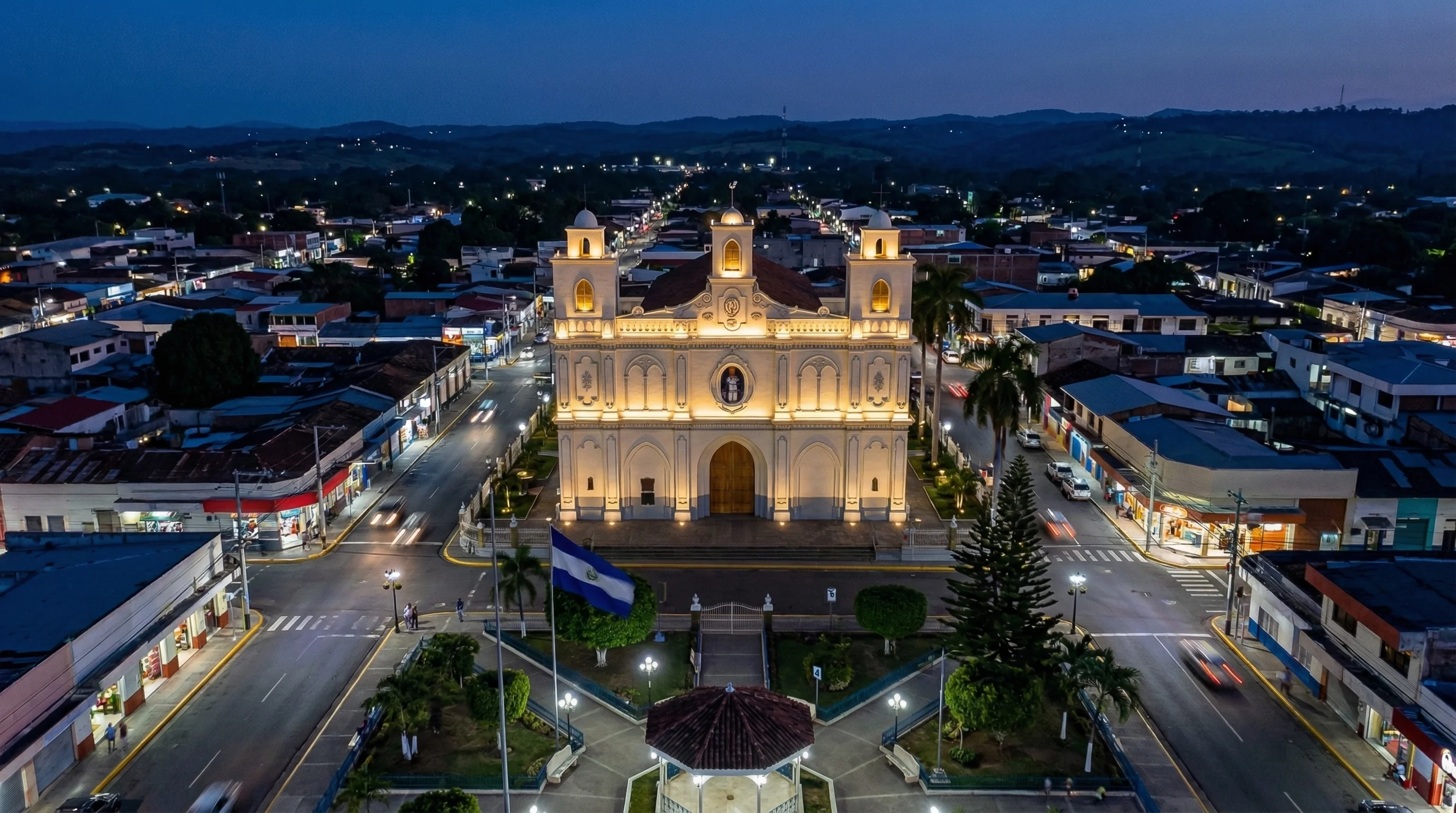
Ahuachapán
Ahuachapán, located in the western highlands of El Salvador near the Guatemalan border, serves as a strategic logistical gateway from Central America into the North American supply chain. Its location provides direct access to the Pan-American Highway system, making it a natural launch point for northbound freight. The region's economy is anchored by world-renowned coffee cultivation and processing, with significant production of high-altitude Arabica beans. Supporting industries include sugar milling, textile manufacturing, and artisanal food production. The available transportation infrastructure is centered on the CA-1 highway, which connects the city to the main border crossing at Tecún Umán, facilitating the initial leg of the international journey. This infrastructure, combined with the region's export-oriented agricultural and manufacturing sectors, establishes Ahuachapán as a crucial origin point for time-sensitive, high-quality goods requiring dedicated, cross-border freight solutions.
 Destination
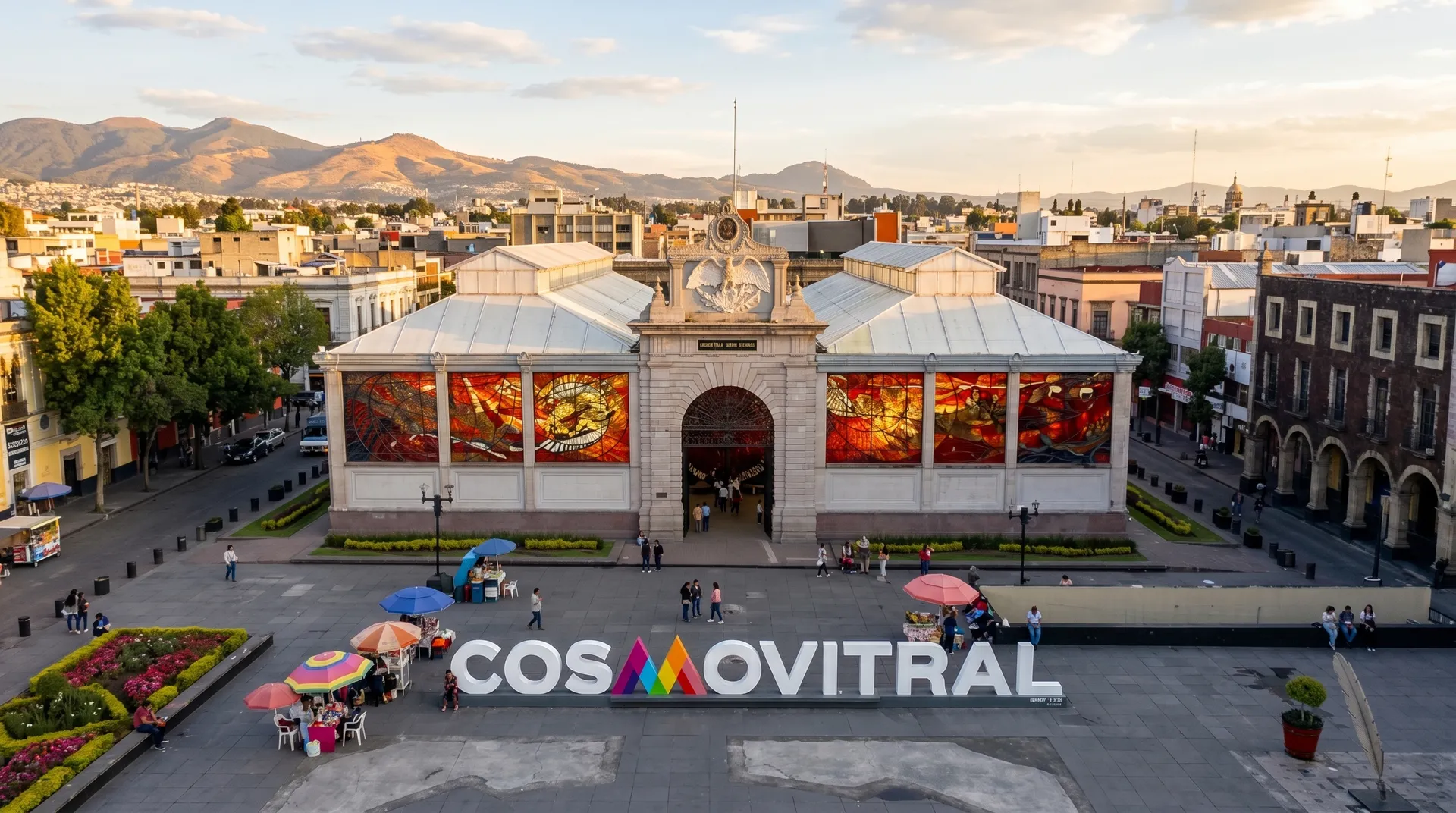
Toluca
Toluca, the capital of the Estado de México, is a premier industrial and logistics hub strategically positioned just west of Mexico City. Its location within the Mexico City metropolitan area provides unparalleled access to one of the world's largest consumer markets and a dense network of suppliers. The city is a dominant center for automotive manufacturing (with plants for major OEMs), aerospace components, food and beverage processing, and a wide array of consumer goods. Its economy is further bolstered by a thriving logistics and distribution sector, supported by numerous industrial parks and warehouses. The transportation infrastructure is exceptional, anchored by the high-capacity México-Toluca toll highway (Autopista México-Toluca), which offers a direct, efficient link to Mexico City's airport, seaports, and the broader national highway network. This robust infrastructure, combined with its deep industrial base, makes Toluca a critical destination for inbound raw materials and outbound finished products, demanding reliable, high-volume freight services.










