Ahuachapán to Madison
Madison → AhuachapánFTL freight transportation service between Ahuachapán and Madison. Reliable logistics solutions for your business.
Route Description
Everything you need to know about the corridor Ahuachapán - Madison
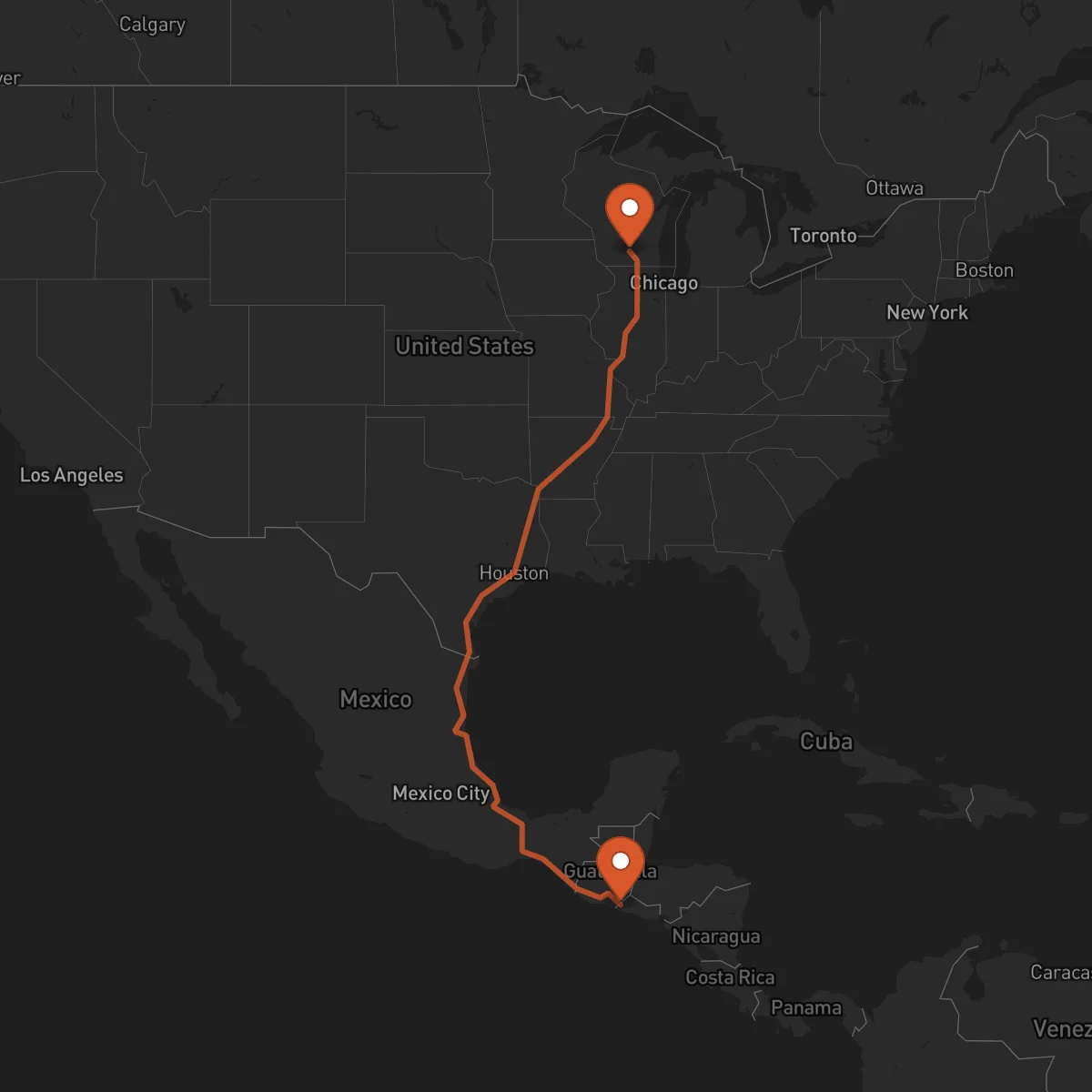
The Ahuachapán to Madison corridor represents a critical North-South logistics artery connecting Central America's manufacturing heartland with the industrial Midwest of the United States. This cross-border route spans approximately 3,241 km, bridging key economic zones and facilitating the seamless flow of goods essential for integrated supply chains. The strategic importance of this corridor lies in its ability to connect production centers in El Salvador and neighboring countries with major consumption and distribution hubs in Wisconsin and the broader U.S. interior, supporting just-in-time manufacturing and retail logistics.
Economically, the corridor serves regions with complementary industrial profiles. The origin area in Central America is a hub for apparel, textiles, and agricultural exports, while the Madison destination region is renowned for dairy processing, food manufacturing, technology, and industrial equipment. Companies leveraging this route typically move full truckloads of finished goods, raw materials, and specialized cargo, requiring reliable, direct transit without consolidation delays. The primary industries utilizing this corridor include food and beverage, agricultural products, textiles, and manufactured components.
Transportation infrastructure relies on a network of major highways. From Ahuachapán, the route typically utilizes the CA-1 highway to connect to the Guatemalan border, then traverses Mexico via federal highways such as the Mexico 190 and 200, eventually linking to the U.S. Interstate system. Key U.S. segments include I-35 and I-90/94. The most common border crossing for this corridor is through the Laredo, Texas, port of entry, a critical node for U.S.-Mexico-Central America trade. Customs and compliance considerations are paramount, involving Mexican and U.S. authorities, with requirements for documentation, duties, and security programs.
Control Terrestre facilitates operations on this complex corridor through our alliance of certified transportation providers. Our network includes partners with C-TPAT, FAST, and BASC certifications, ensuring streamlined border clearance and enhanced security for your full truckload shipments. We coordinate dedicated, expedited, and specialized FTL services—including refrigerated and dry van equipment—managing the entire door-to-door process. By leveraging our strategic provider relationships and deep expertise in cross-border logistics, we provide a single point of contact to navigate infrastructure challenges and regulatory landscapes, turning this long-haul corridor into a reliable, efficient extension of your supply chain.
Services for this Route
Available services for the corridor Ahuachapán - Madison
 Origin
Ahuachapán
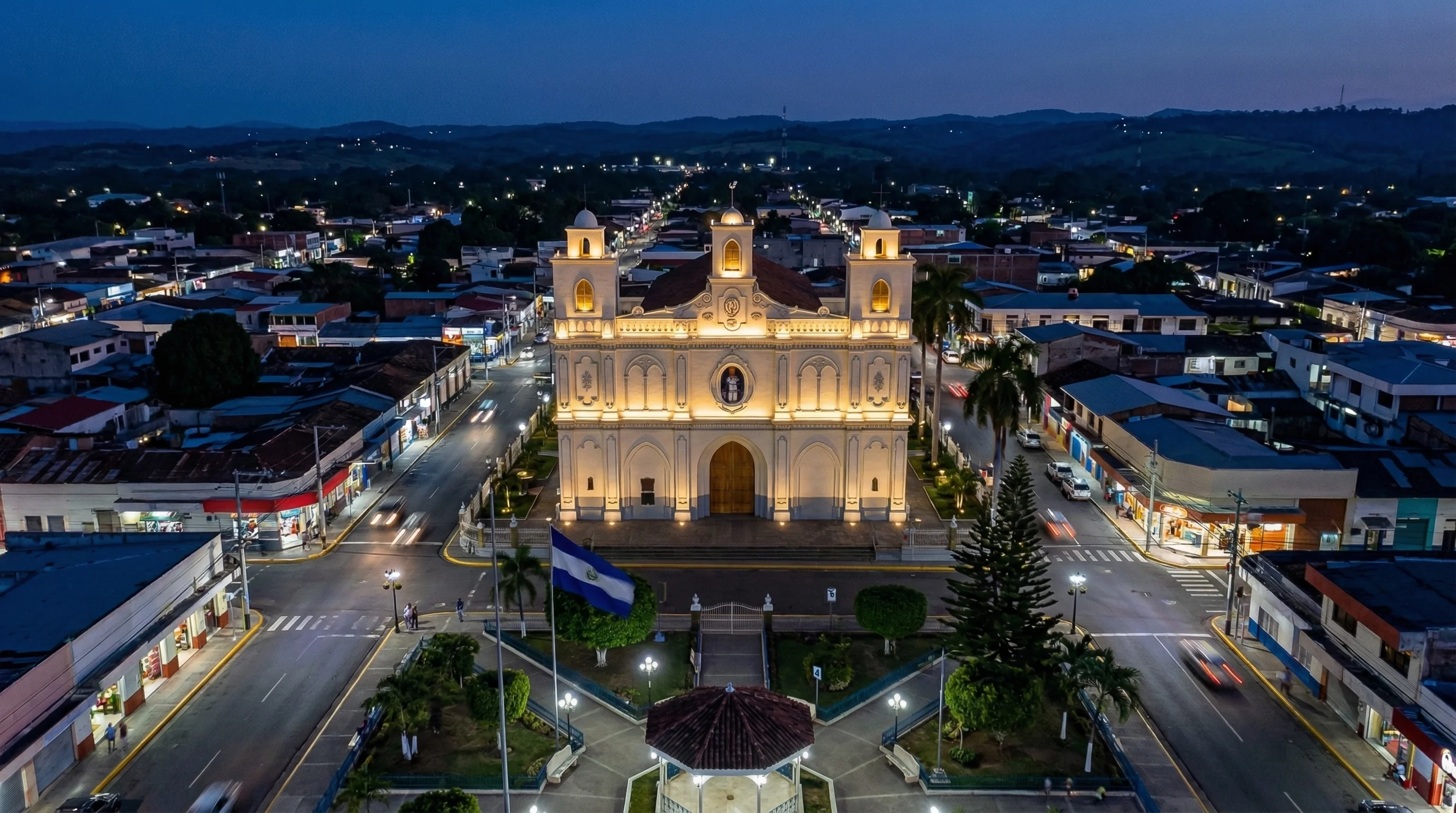
Ahuachapán, located in western El Salvador near the Guatemalan border, holds a strategic position as a gateway for northbound freight from Central America. Its proximity to the CA-1 highway and border crossings makes it an ideal logistics origin point for accessing the Pan-American corridor. The region's economy is anchored by agriculture—particularly coffee and sugarcane—and a significant textile and apparel manufacturing sector, which drives substantial export volume. The available transportation infrastructure is centered on the CA-1, a major highway connecting to Guatemala and onward to Mexico, supported by regional road networks that link industrial parks and agricultural zones to this primary artery. This infrastructure enables efficient consolidation of full truckloads for the long journey north.
 Destination
Madison
Madison, Wisconsin, serves as a strategic logistics hub in the U.S. Midwest, offering central access to a vast consumer and industrial market. Its location is bolstered by intersections of key Interstate highways, primarily I-90 and I-94, which provide direct routes to Chicago, Minneapolis, and Detroit, and connect east-west across the continent. The Madison region's economy is diverse and robust, dominated by dairy and food processing (home to major national brands), advanced manufacturing, technology, and healthcare. This industrial base generates consistent demand for inbound full truckloads of raw materials, ingredients, and components, as well as outbound shipments of finished goods. The city's infrastructure includes well-developed intermodal facilities and warehousing, supporting efficient last-mile and regional distribution from this key Midwest node.










