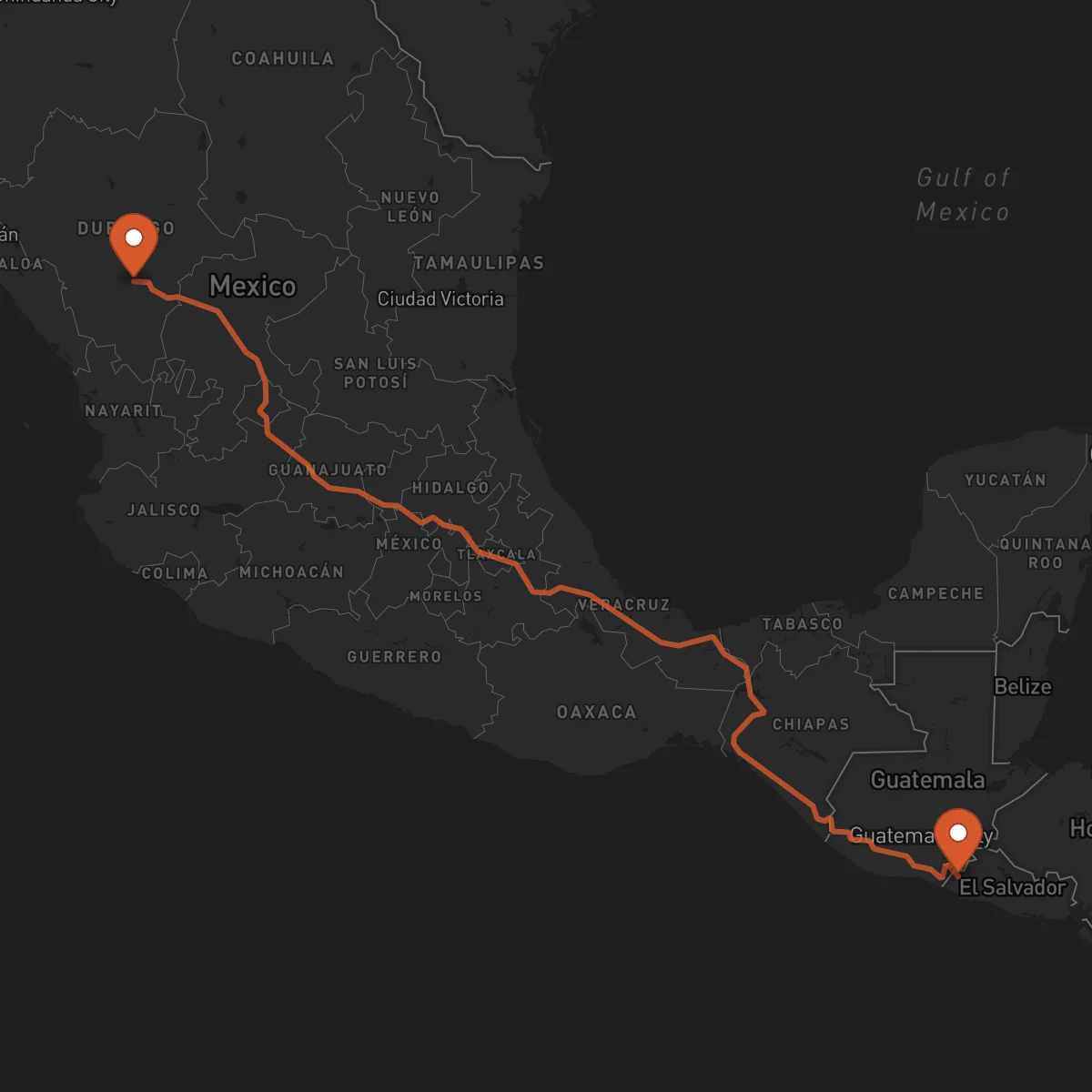
Ahuachapán to Durango
Durango → AhuachapánFTL freight transportation service between Ahuachapán and Durango. Reliable logistics solutions for your business.
Route Description
Everything you need to know about the corridor Ahuachapán - Durango
The Ahuachapán to Durango corridor represents a vital north-south artery connecting Central America's agricultural heartland with Mexico's industrial core. This strategic route facilitates the efficient movement of goods across borders, supporting the integrated supply chains of the region. Economically, it links the production zones of El Salvador and neighboring countries with the manufacturing and mining hubs of northern Mexico, enabling a seamless flow of raw materials and finished products. Key industries utilizing this corridor include agriculture (coffee, sugar), textiles and apparel, and manufactured goods, alongside inbound supplies for Mexico's automotive and mining sectors. The primary transportation infrastructure relies on the Pan-American Highway (CA-1) through Guatemala, transitioning to Mexico's Federal Highway 45 and 40 network—critical arteries known for handling significant freight volumes. The principal border crossing occurs between Guatemala and Mexico, typically at points like Ciudad Hidalgo/Talisman, where customs processes are streamlined for certified carriers. Control Terrestre facilitates operations on this corridor through our robust alliance of experienced providers, all holding key certifications such as C-TPAT and FAST. We exclusively manage full truckload (FTL) movements, offering dedicated, expedited, and specialized solutions, including for oversized or refrigerated cargo, ensuring a human-centric and responsible logistics experience from door to door.
Services for this Route
Available services for the corridor Ahuachapán - Durango
 Origin
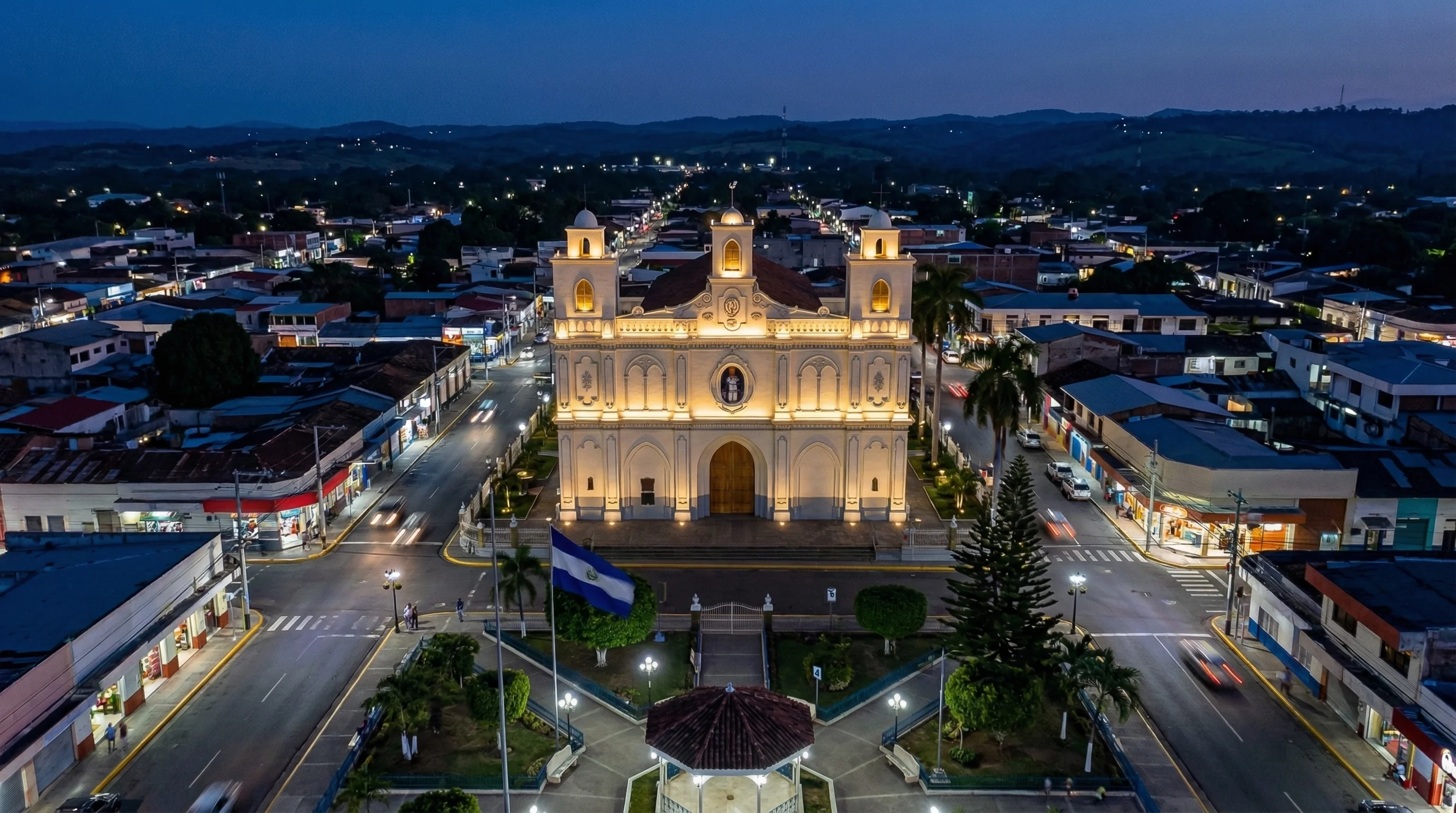
Ahuachapán
Ahuachapán, located in western El Salvador near the Guatemalan border, serves as a strategic gateway to Central America. Its location provides direct access to the Pan-American Highway (CA-1), making it a natural logistics hub for regional distribution. The local economy is heavily driven by high-value agriculture, particularly renowned coffee plantations, along with sugar cane and other crops. A significant textile and apparel manufacturing sector also operates here, producing goods for international markets. The available transportation infrastructure is centered on the CA-1 highway network, which connects the city to major ports in El Salvador and Guatemala, and extends northward through Central America. This infrastructure supports the movement of bulk agricultural commodities and manufactured goods, positioning Ahuachapán as a critical origin point for cross-border freight requiring full truckload solutions into Mexico.
 Destination
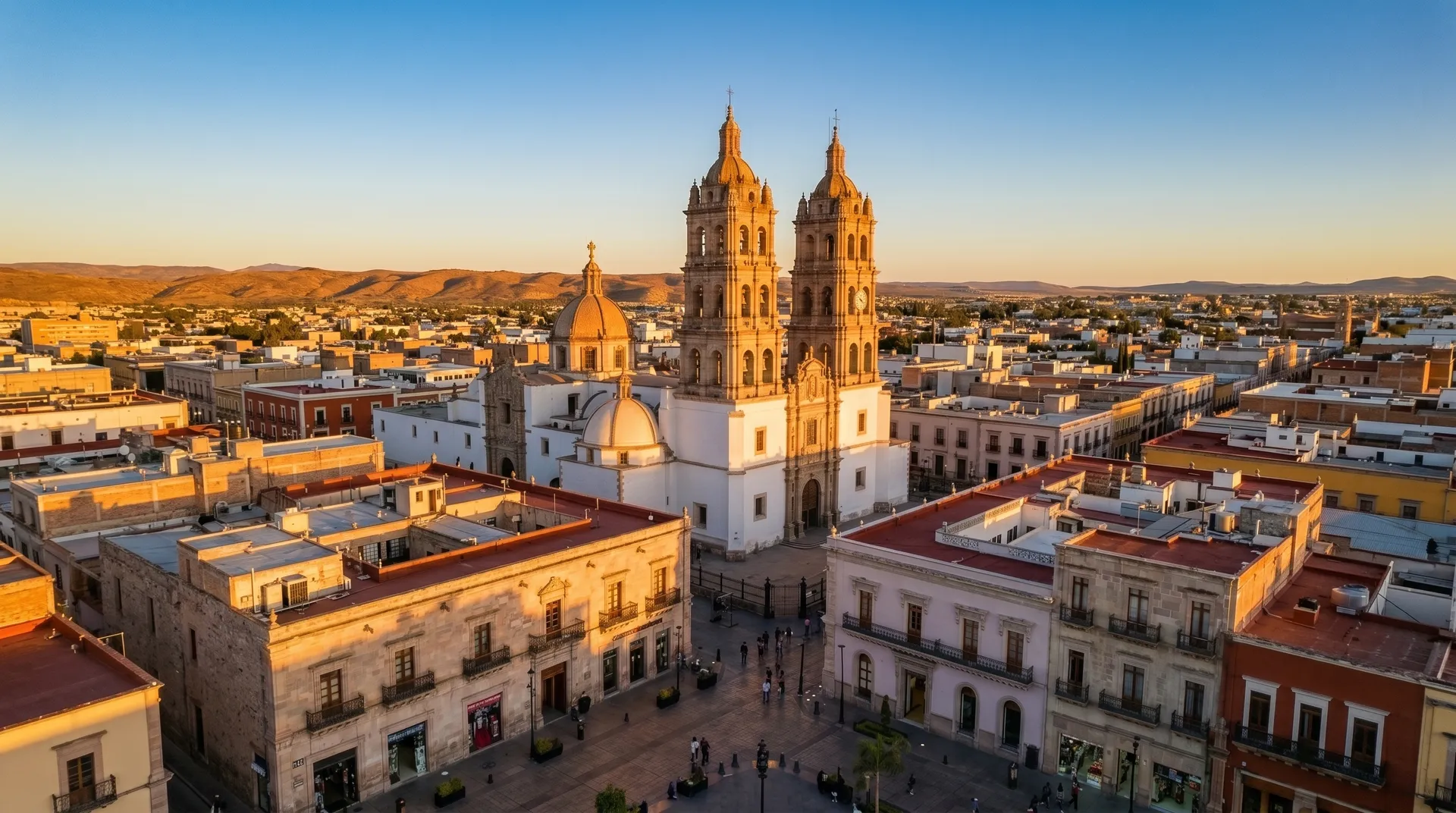
Durango, the capital of the state of Durango in northern Mexico, is a pivotal industrial and agricultural center with excellent logistics connectivity. Strategically situated, it acts as a key distribution node for northern Mexico and a connection point to the U.S. border. The region's economy is diverse, anchored by mining (notably silver and gold), a growing automotive parts manufacturing sector, and robust agriculture including lumber, corn, and beans. Its transportation infrastructure is defined by the convergence of Federal Highways 45 and 40, which form a major freight corridor linking the interior of Mexico to the border cities of Ciudad Juárez and Matamoros. Additionally, Durango benefits from rail connectivity, enhancing intermodal options. This infrastructure supports the efficient receipt of raw materials and distribution of finished products, making it a high-demand destination for dedicated FTL services from Central America.










