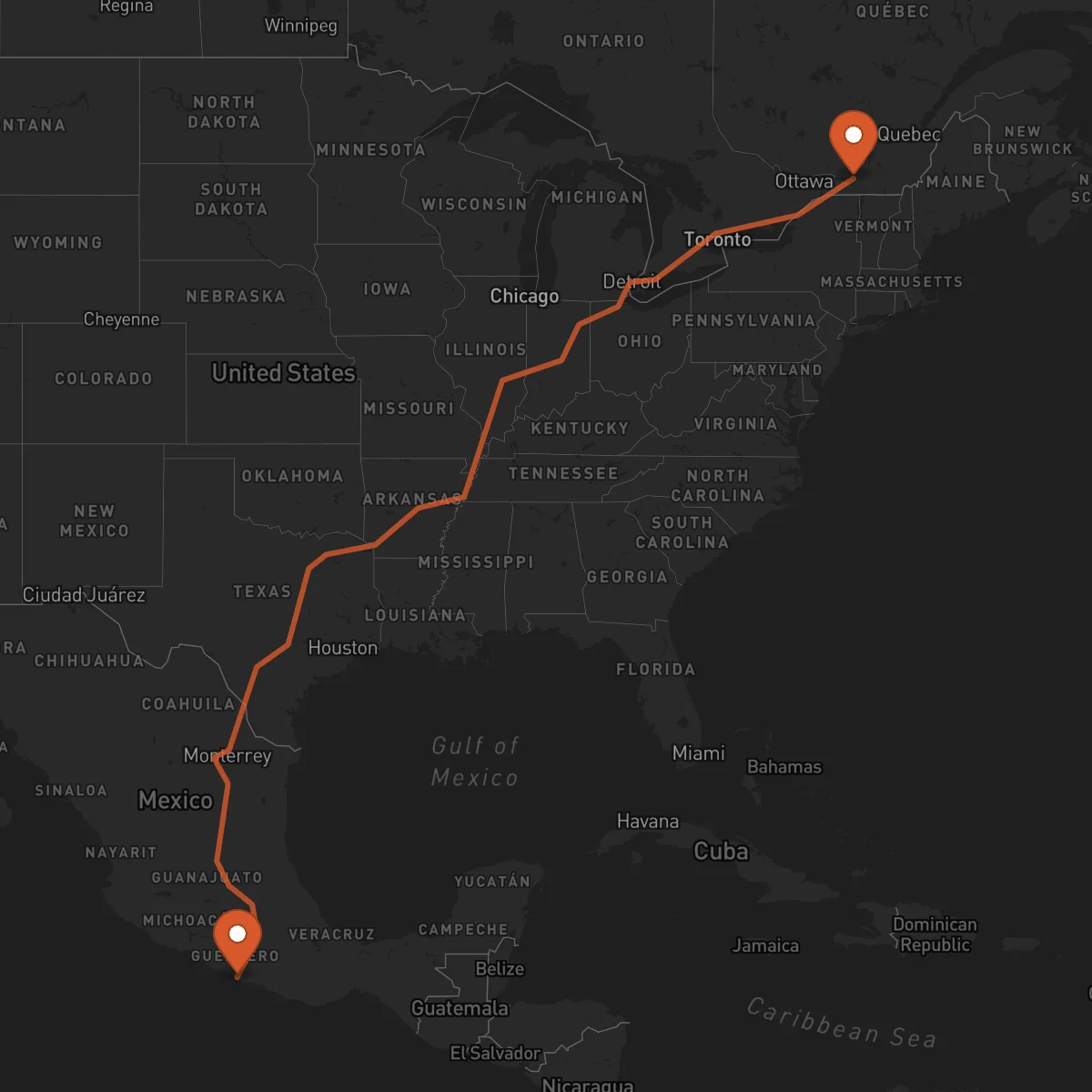
Acapulco to Montreal
Montreal → AcapulcoFTL freight transportation service between Acapulco and Montreal. Reliable logistics solutions for your business.
Route Description
Everything you need to know about the corridor Acapulco - Montreal
The logistics corridor connecting Acapulco, Guerrero, Mexico to Montreal, Quebec, Canada represents a vital trade link spanning approximately 4,012 kilometers across North America. This cross-border route traverses diverse economic regions, connecting Mexico's Pacific port to Canada's major inland port and industrial hub. The corridor serves as a crucial artery for international trade, facilitating the movement of goods between North American manufacturing centers, agricultural regions, and consumer markets.
The route primarily utilizes Mexico's Federal Highway 95D and Highway 57 to reach the U.S. border, then transitions to major interstate highways including I-35, I-29, and I-81 before entering Canada via the Ontario-Quebec corridor. Key border crossings include Laredo-Nuevo Laredo and Detroit-Windsor, with customs procedures streamlined through our C-TPAT and FAST certified partners. Control Terrestre manages all cross-border documentation, ensuring compliance with both U.S. and Canadian customs regulations while minimizing delays.
This corridor serves diverse industries including automotive, electronics, agriculture, and consumer goods. Acapulco's strategic Pacific location provides access to Asian imports, while Montreal's position as a major Canadian distribution center handles goods destined for Eastern Canada and the Northeastern United States. Control Terrestre's dedicated FTL services ensure secure, direct transportation with real-time tracking and temperature-controlled options for sensitive cargo, making us the preferred partner for companies requiring reliable cross-border freight solutions.
Services for this Route
Available services for the corridor Acapulco - Montreal
 Origin
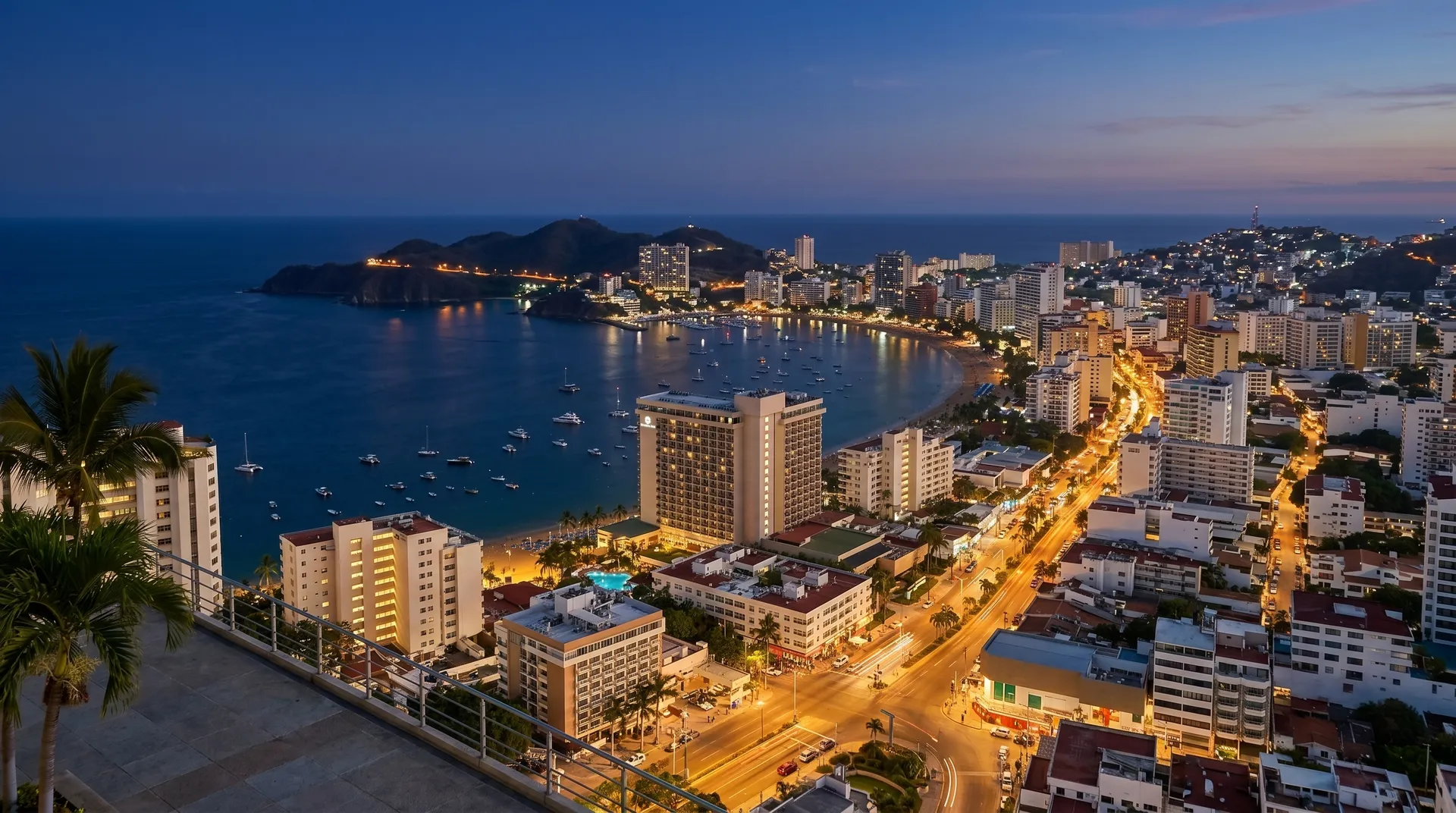
Acapulco, located on Mexico's Pacific coast in Guerrero state, serves as a strategic logistics hub with its deep-water port facilities and proximity to major industrial centers. The city's port complex handles significant import/export traffic, particularly from Asian markets, and connects to Mexico's extensive highway network. Acapulco's economic base includes tourism, agriculture, and manufacturing, with growing importance in electronics assembly and automotive components. The region benefits from modern transportation infrastructure including Federal Highway 95D, providing direct access to Mexico City and northern industrial corridors.
 Destination
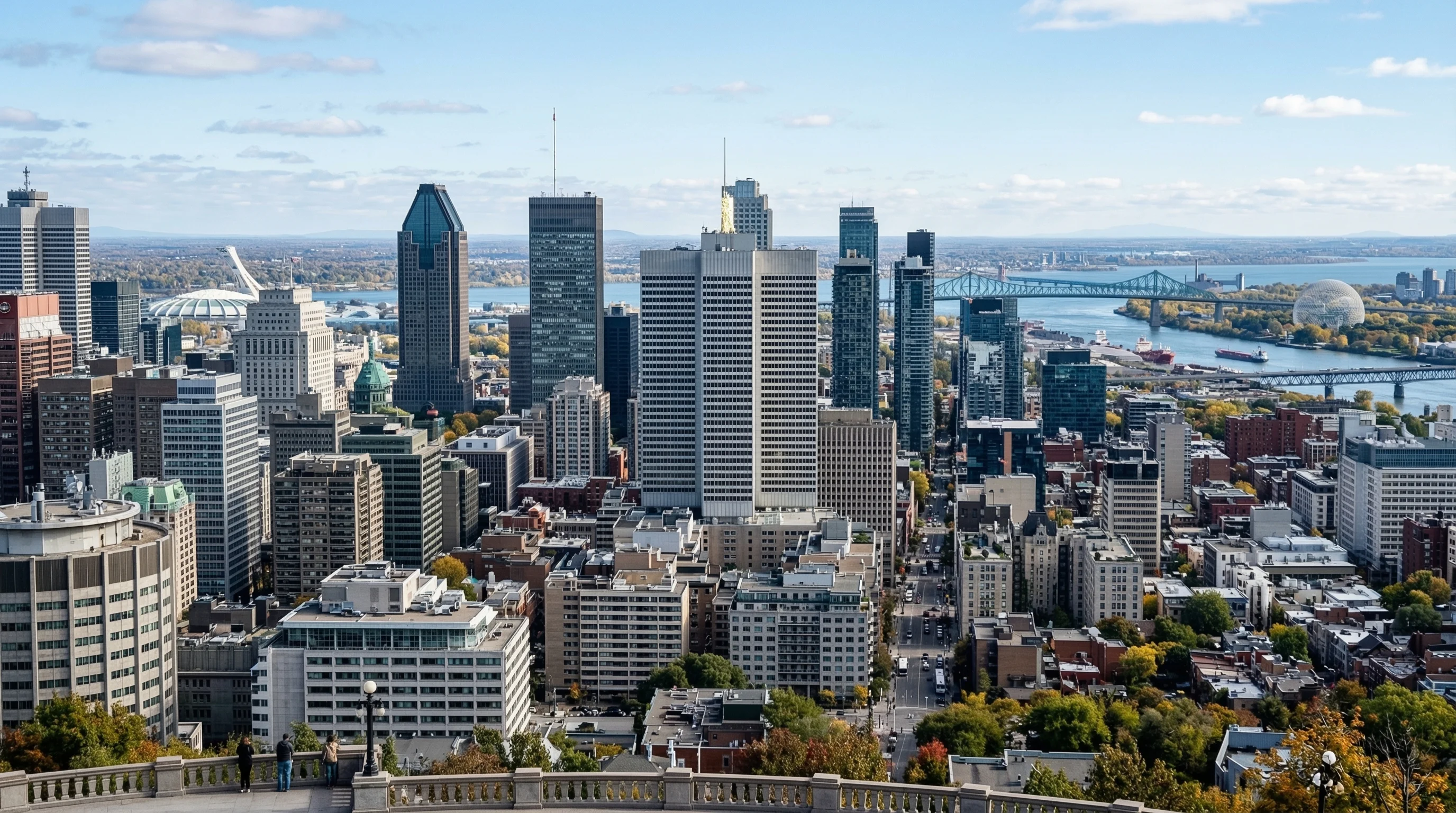
Montreal, Quebec's largest city, stands as Canada's premier inland port and a major North American logistics hub. Situated at the confluence of the St. Lawrence River and major rail lines, Montreal offers exceptional multimodal connectivity. The city serves as headquarters for numerous multinational corporations and hosts thriving industries including aerospace, pharmaceuticals, information technology, and advanced manufacturing. Montreal's transportation infrastructure includes the Port of Montreal, extensive highway networks (Autoroutes 20 and 40), and direct rail connections to Canadian and U.S. markets, making it an ideal distribution center for Eastern Canada and the Northeastern United States.










